
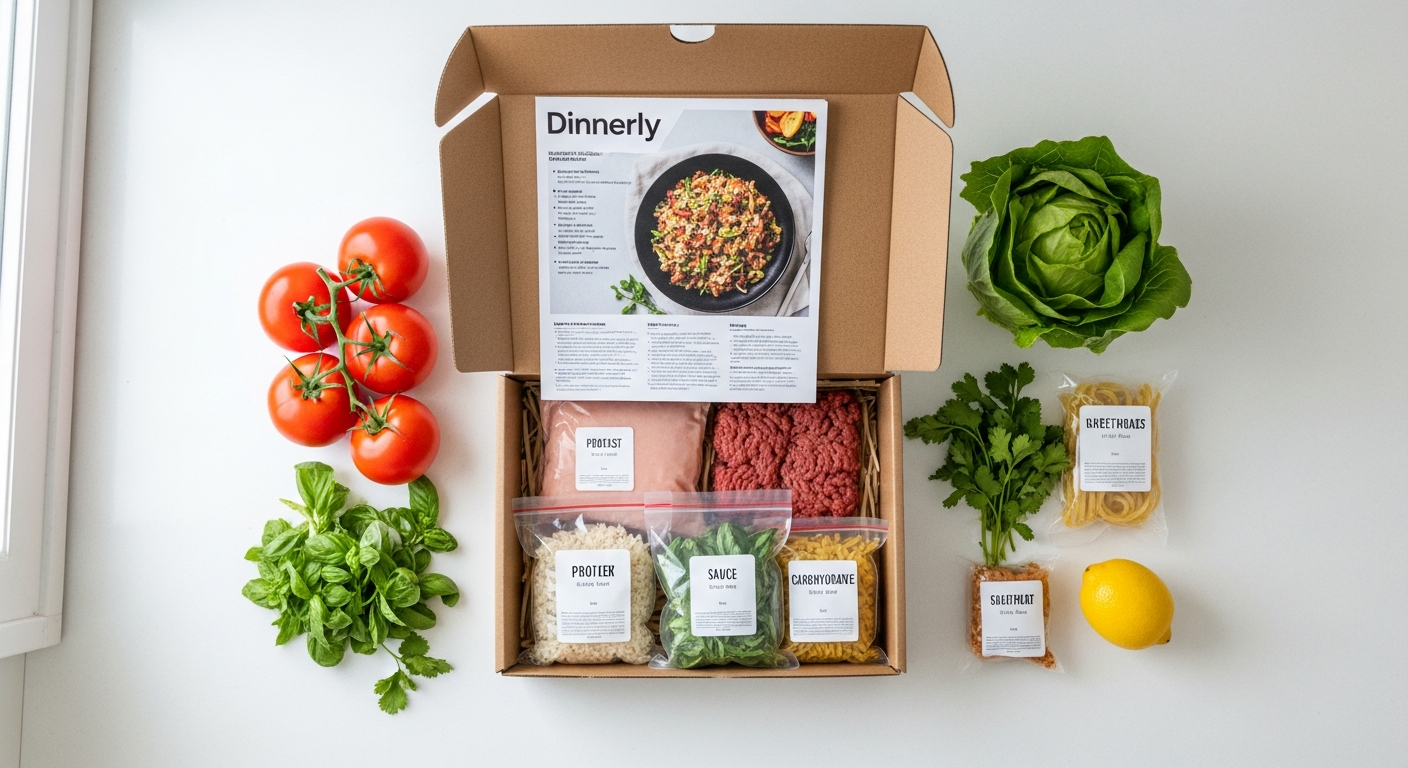
Want affordable home-cooked meals without complicated recipes? Explore Dinnerly’s 2026 pricing, weekly menu, meal options, delivery costs, flexibility, and key advantages for budget-conscious households.
Meal kits can make weeknight cooking easier, but convenience often comes with a relatively high price. For families trying to control food spending, that can undermine much of their appeal.
Dinnerly takes a simpler approach. Instead of emphasizing elaborate recipes and premium extras, the service focuses on straightforward meals, fewer ingredients, and competitive per-serving prices.
For busy households, families, and beginner cooks, that combination makes Dinnerly an interesting alternative to more elaborate meal-kit subscriptions.
Dinnerly Focuses on Affordable, Simple Meals
Dinnerly’s biggest selling point is affordability.
The service keeps recipes relatively straightforward and reduces some of the extras commonly associated with premium meal kits. Most recipes use six ingredients or fewer and can be prepared in approximately 30 minutes.
That makes Dinnerly particularly approachable for people who want to cook at home without spending an hour preparing dinner.
Digital recipe cards also help streamline the service while reducing unnecessary printed materials.
How Much Does Dinnerly Cost in 2026?
The supplied pricing ranges from approximately $5.49 to $11.04 per serving, depending on the plan and number of meals ordered.
New-customer promotions may reduce the initial cost to approximately $2.99 to $6 per serving. A flat $11.99 shipping charge also applies to each box.
Dinnerly offers plans for 2, 4, or 6 people, with households able to select between 2 and 6 meals each week.
Larger orders generally provide better per-serving value, making the service particularly attractive for families.
Prices and introductory offers can change, so check the current total before subscribing.
More Than 100 Weekly Recipes Provide Plenty of Choice
Low pricing doesn’t necessarily mean a tiny menu.
Dinnerly offers more than 100 rotating recipes each week, giving households enough variety to avoid repeating the same meals constantly.
Available categories can include:
- Vegetarian and vegan meals
- Kid-friendly recipes
- Low-calorie and low-carb choices
- High-protein options
- One-pot meals
- Gluten-free-friendly selections
Customers can also add breakfasts, desserts, appetizers, and prepared foods through Dinnerly’s market.
This flexibility makes it easier to build a weekly box around different household preferences.
Family-Friendly Meals Are a Major Strength
Dinnerly makes particular sense for families that prioritize convenience over culinary complexity.
Simple ingredient lists can make recipes easier for inexperienced cooks to follow. They can also reduce preparation and cleanup on busy school or work nights.
Pre-portioned ingredients help households buy closer to what each recipe actually requires, potentially reducing the leftover ingredients associated with buying full packages at the grocery store.
For families regularly struggling with the question of what to cook for dinner, removing some of the meal-planning workload may be just as valuable as the ingredients themselves.
Subscription Flexibility Makes Planning Easier
Dinnerly doesn’t require households to receive the same box every week indefinitely.
Subscribers can skip deliveries, pause their service, or cancel when their schedules change.
That flexibility is useful during vacations, particularly busy weeks, or periods when there is already enough food at home.
However, customers should still pay attention to selection and cancellation deadlines. Meal-kit subscriptions typically process upcoming orders according to predetermined cutoff dates.
Where Dinnerly Makes Compromises
Keeping prices relatively low requires trade-offs.
Dinnerly’s recipes generally prioritize accessibility and simplicity rather than restaurant-style complexity. Experienced home cooks looking for unusual ingredients or advanced cooking techniques may find some meals too basic.
The supplied material also notes customer reports involving occasional missing ingredients, damaged packaging, and inconsistent ingredient quality.
Nutritional balance can vary between recipes as well. Shoppers with specific dietary requirements should examine individual meal information rather than assuming every recipe meets the same nutritional standard.
How Does Dinnerly Compare With Premium Meal Kits?
Dinnerly’s strongest competitive advantage isn’t luxury. It’s a cost-conscious convenience.
Premium services may provide more sophisticated recipes, specialty ingredients, or extensive sourcing information. Dinnerly instead concentrates on keeping meal preparation straightforward and prices accessible.
That distinction makes the choice relatively simple.
Someone who views meal kits as a culinary experience may prefer a premium competitor. Someone primarily interested in reducing meal-planning effort while controlling costs may find Dinnerly’s stripped-back approach more practical.
Who Is Dinnerly Best For?
Dinnerly is particularly well suited to:
- Budget-conscious families
- Beginner home cooks
- Busy professionals
- Larger households
- Parents looking for kid-friendly meals
- People who dislike weekly meal planning
- Households wanting flexible deliveries
It may be less appealing to experienced cooks seeking gourmet recipes or consumers who prioritize premium ingredients and detailed sourcing information.
A Practical Meal Kit for Budget-Conscious Households
Dinnerly keeps its proposition refreshingly simple: provide convenient meal kits without pushing prices into premium territory.
Its combination of competitive per-serving pricing, 100+ rotating weekly recipes, short ingredient lists, family-sized plans, and flexible subscriptions gives it clear appeal for households that want easier weeknight dinners.
There are compromises. Recipes can be relatively basic, shipping adds to the real cost of every box, and customers with strict nutritional requirements will need to choose meals carefully.
Still, Dinnerly doesn’t need to compete on gourmet complexity to make sense. For families and busy households primarily interested in affordable ingredients, less meal planning, and straightforward home cooking, its simpler approach may be exactly the point.