
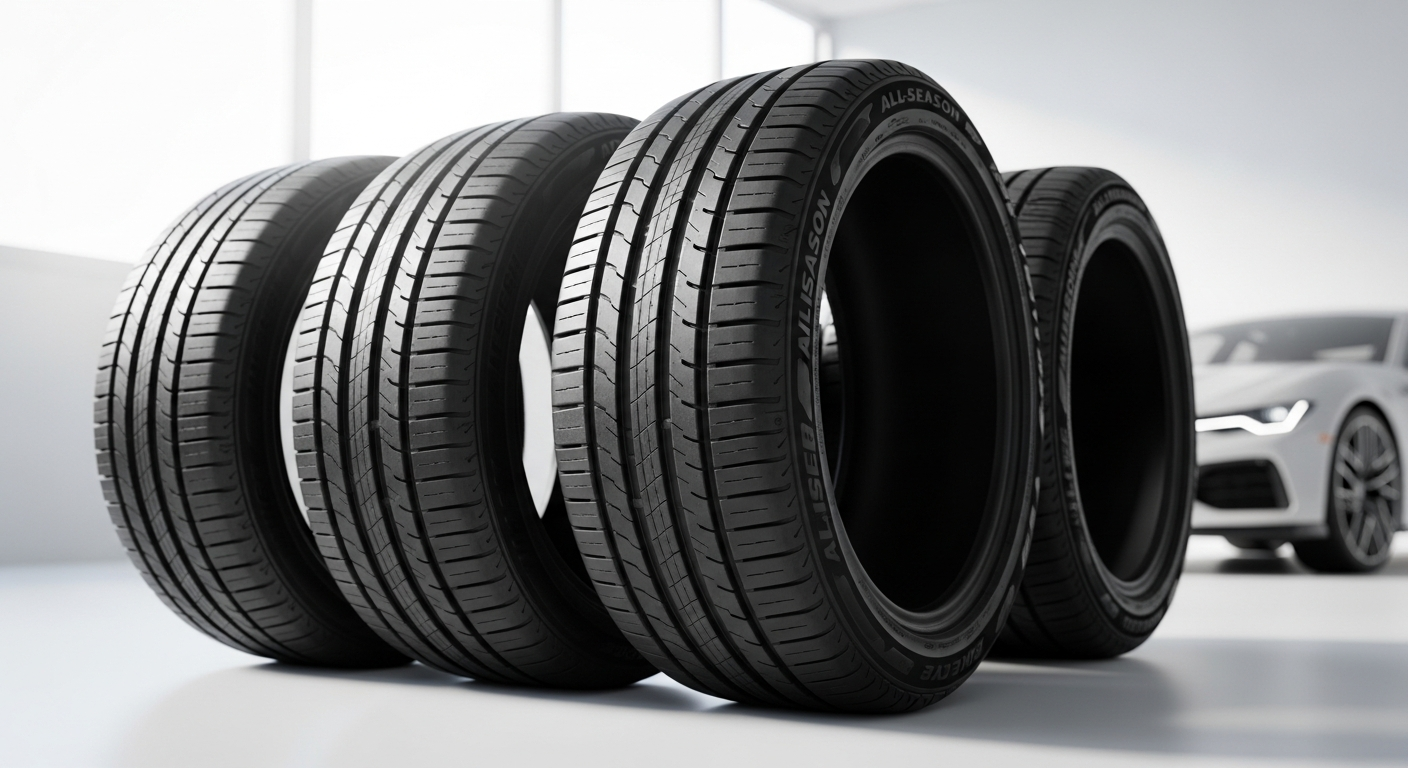
Discover why premium all-season car tires are the smart choice for drivers seeking convenience and performance. Learn about features, costs, and benefits from Dack Online DK’s top selections.
Roughly 70% of drivers in moderate climates never switch their tires seasonally. They've discovered something that tire retailers like Dack Online DK have known for years: premium all-season tires deliver the versatility most people actually need. These aren't compromise products designed to underperform across the board—they're engineering solutions built around real-world driving patterns.
Premium all-season tires represent a fundamental shift in how everyday drivers approach vehicle maintenance. Rather than juggling two separate tire sets, managing storage space, and paying for twice-annual changeovers, these engineered solutions handle everything from mild winter conditions to scorching summer heat with a single set of rubber. The convenience factor alone appeals to millions, but the technical capabilities backing that convenience are equally impressive.
Explore premium all-season tires at Dack Online DK today.
The Engineering Behind All-Season Tire Performance
Adaptive Tread Compounds
All-season tires employ rubber compounds engineered to behave differently depending on temperature. In cold conditions, the tread remains pliable enough to maintain grip on chilled pavement and light snow. As temperatures rise, that same compound firms up just enough to preserve stability and steering precision during warm-weather acceleration and cornering. This dual-natured material sits at the heart of why all-season tires work—they adjust to their environment rather than requiring drivers to swap them out.
Strategic Siping and Tread Design
The tread pattern on all-season tires balances multiple objectives simultaneously. Thin sipes (small cuts in the tread blocks) channel water away from the tire contact patch, reducing hydroplaning risk on wet roads. These same sipes bite into light snow and ice, improving traction when conditions turn slippery. Meanwhile, larger tread blocks provide the rigid structure needed for stable handling on dry pavement without sacrificing too much edge grip. It's a calculated compromise, but one that works remarkably well for most drivers.
Speed and Load Ratings
Every tire carries a speed rating (H, V, or W) and load index that determines its safe operational limits. H-rated tires safely handle speeds up to 210 km/h and suit most passenger sedans. V-rated options push to 240 km/h for drivers seeking spirited performance, while W-rated tires handle extreme conditions and higher speeds. Load indexes ensure the tire can safely carry your vehicle's weight plus cargo. Dack Online DK's platform makes matching these specifications to your specific vehicle straightforward—simply enter your vehicle details and compatible options appear instantly.
Balancing Act Across Conditions
Modern all-season designs represent a triumph of engineering compromise. Rather than optimizing for a single condition, manufacturers deliberately engineer tires that perform adequately across summer heat, spring rain, winter chill, and autumn transition. This approach means no single condition receives peak performance engineering, but it also means you're never caught off-guard by unexpected weather.
Cost Analysis: What You'll Actually Spend
Per-Tire Pricing Structure
Dack Online DK prices premium all-season tires across a wide range depending on brand, size, and performance characteristics. Entry-level options start around 70 EUR per tire, making them accessible for budget-conscious shoppers. Mid-range selections typically fall between 100-150 EUR per tire, representing the sweet spot where quality engineering meets reasonable pricing. Premium brands and larger tire sizes can reach 200 EUR or exceed that figure, though specialty sizes remain the exception rather than the rule.
The Hidden Savings
Beyond the per-tire cost, all-season tires deliver financial advantages that accumulate over years of ownership. Eliminating the seasonal swap eliminates associated labor costs—many shops charge 50-100 EUR or more per changeover. Storage space no longer claims garage real estate (valuable in smaller homes). Tire rotation and balancing become simpler procedures since you're managing a single set year-round rather than juggling two. Across five years, these hidden costs add up to hundreds of EUR in avoided expenses.
Promotional Pricing and Competitive Strategy
Dack Online DK maintains competitive positioning through regular promotions and deals that reduce effective tire costs. Seasonal sales, volume discounts, and bundle offers frequently appear on their platform. Timing your purchase strategically—purchasing before major seasonal transitions rather than during peak demand—can yield meaningful savings on already-affordable prices.
Fuel Economy Considerations
All-season tires engineered with rolling resistance reduction can deliver modest fuel efficiency improvements compared to older winter or summer tires. While the gains are typically 1-3% (roughly 1-2 EUR per month in fuel savings for average drivers), these gains persist across all twelve months, offsetting a portion of the initial tire investment over the tire's lifespan.
Find your ideal tire size and current promotions on Dack Online DK.
Where All-Season Tires Excel (And Where They Compromise)
Genuine Strengths in Year-Round Use
All-season tires eliminate the seasonal tire-change routine that frustrates millions of drivers. You mount them once each year (or less frequently if you keep them mounted and balanced) and forget about them. In spring, fall, and mild summer driving, these tires deliver comfortable, predictable handling that won't alarm even cautious drivers. Wet-weather performance in moderate rain remains strong—the siping and compound design channel water effectively and maintain grip through light hydroplaning situations.
Light Snow Capability and Winter Behavior
Many drivers overestimate how much winter performance they actually need. In moderate climates with occasional light snow and infrequent freezing conditions, all-season tires provide adequate grip for careful driving. The compound remains flexible enough to maintain some traction, and the sipes bite into light snow. However, this capability has definite limits. Severe snowpack, black ice, and sustained sub-zero temperatures reveal all-season tires' shortcomings compared to dedicated winter rubber.
The Dry Pavement Limitation
Where all-season tires show their compromise most clearly is dry cornering grip. Summer-specific tires employ compounds and tread designs optimized for maximum road contact during aggressive cornering and hard braking on dry asphalt. All-season tires necessarily sacrifice some of this grip to maintain flexibility in cold weather. For daily commuters and typical driving, this limitation barely registers. For drivers who regularly approach their vehicle's handling limits, the difference becomes apparent.
The Practical Reality
Here's what matters for most drivers: adequate performance across all conditions beats specialized excellence in a single scenario. A tire that handles 95% of your actual driving conditions well throughout the year outperforms one that excels in summer but struggles in winter (or vice versa). This philosophy drives all-season tire popularity, particularly in regions where weather varies but extremes remain relatively infrequent.
Choosing the Right Tire for Your Vehicle and Climate
Assessing Your Regional Weather
Start by honestly evaluating your regional weather patterns and seasonal severity. Drivers in areas experiencing mild winters with occasional light snow benefit tremendously from all-season tires. Regions where winter means heavy snowfall, sustained freezing, and ice conditions demand dedicated winter tires—all-season options genuinely compromise safety in those circumstances. Most moderate-climate drivers fall somewhere in between, where all-season tires deliver reliable performance without significant risk.
Matching Tire Size and Vehicle Type
Your vehicle's specifications determine compatible tire options. Sedans typically accommodate narrower tires optimized for passenger car handling. SUVs and trucks require different sizes engineered to handle higher loads and heavier weight distribution. Dack Online DK's platform simplifies this process significantly. Enter your vehicle's year, make, and model, and compatible tire sizes appear immediately. This removes the guesswork and prevents the frustration of ordering incorrect sizes.
Understanding Speed and Load Ratings
Speed ratings indicate the maximum speed a tire safely handles continuously. Load indexes specify maximum weight capacity. Your vehicle's specifications determine which ratings you actually need. Most passengers cars require H-rated tires (adequate for normal highway driving). Performance-oriented drivers might prefer V-rated options, while conservative drivers in slower-speed regions have flexibility downward. Dack Online DK lists these specifications clearly for every option.
Brand Reputation and Warranty Coverage
Premium tire manufacturers invest heavily in research, development, and quality control. Their reputations rest on delivering reliable products that last. Examine warranty coverage—most premium all-season tires carry 5-6 year warranties against defects. Some manufacturers offer tread-wear warranties that compensate you if tires wear prematurely. These protections provide peace of mind and demonstrate manufacturer confidence in their products.
Regional Considerations and Safety Thresholds
In truly severe winter regions (Scandinavia, Alpine zones, areas with frequent heavy snowfall), legal requirements sometimes mandate winter tires during specific months. All-season tires cannot meet these legal standards, making seasonal tire changes mandatory regardless of personal preference. For milder regions, all-season tires genuinely satisfy safety and legal requirements year-round.
Real-World Performance Across Seasons
Spring and Fall Transitions
As temperatures fluctuate between mild and cool during spring and autumn, all-season tires perform at their finest. The compound remains optimally pliable without becoming sluggish, and the tread pattern handles occasional rain showers and damp conditions without any fuss. Drivers report confident handling, minimal noise, and fuel efficiency during these transitional seasons—essentially ideal tire performance.
Summer Stability and Fuel Economy
Summer heat causes tire compounds to soften slightly, but all-season formulations firm up enough to maintain stability and predictable steering response even during extended hot-weather driving. The reduced rolling resistance engineered into modern all-season designs delivers noticeable fuel economy benefits during summer months when vehicles travel further and accumulate more highway mileage. Braking distances remain competitive with summer-specific tires for most driving scenarios.
Winter Behavior in Moderate Conditions
Light snow, occasional slippery patches, and freezing rain define winter in moderate climates. All-season tires handle these conditions competently through a combination of flexible compound characteristics and strategically placed sipes. Braking distances on light snow remain reasonable, and traction control systems work effectively with all-season rubber. The limitations emerge only in deeper snow, ice sheets, and sustained sub-zero temperatures where dedicated winter tires excel.
Traction Control Integration
Modern vehicles' traction control and stability management systems communicate constantly with tire grip levels, adjusting power delivery and braking to prevent wheelspin and loss of control. All-season tires work harmoniously with these systems, providing consistent feedback that allows electronics to function optimally. The tire-to-road dialogue remains reliable across temperature ranges, supporting safe vehicle behavior in emergency maneuvers.
Longevity and Wear Patterns
All-season tires typically last 40,000-60,000 kilometers depending on driving habits, climate, and maintenance. Tires that endure varied conditions throughout the year sometimes show uneven wear if rotation schedules get neglected. Rotating tires every 10,000-15,000 kilometers distributes wear evenly and maximizes lifespan. Proper inflation and wheel alignment preserve tire health and prevent premature failure.
Maintenance and Longevity Optimization
Check tire pressure monthly—underinflation increases rolling resistance, reduces fuel economy, and accelerates wear. Maintain alignment and suspension components so tires contact the road evenly. Rotate tires regularly to compensate for the different stresses front and rear tires experience during cornering and braking. These basic maintenance practices extend tire life significantly and ensure consistent performance throughout ownership.
Making the Switch: What Dack Online DK Customers Should Know
Timing Your Purchase Strategically
Purchase all-season tires during shoulder seasons (late winter or early fall) when demand peaks and retailers offer aggressive promotions. Avoid emergency purchases during severe weather when selection is limited and prices reflect supply constraints. Planning ahead allows you to browse options leisurely on Dack Online DK and take advantage of the best pricing.
Installation and Wheel Balancing
After purchasing tires from Dack Online DK, professional installation is essential. Trained technicians mount tires on wheels, ensuring proper seating and inflation. Wheel balancing removes vibration by distributing weight evenly around the wheel-tire assembly. Proper installation and balancing prevent uneven wear, steering vibration, and premature failure—a small investment that protects your tire investment.
Break-In Period Expectations
New tires require a short break-in period (typically 300-500 kilometers) during which the compound achieves optimal grip through friction-based conditioning. During this period, handle the vehicle with slightly more restraint than usual and avoid extreme acceleration or aggressive cornering. Once broken in, tires deliver their intended performance characteristics.
Rotation Schedules and Maintenance
Rotate tires every 10,000-15,000 kilometers to equalize wear across all four tires. Front-wheel-drive vehicles experience heavier wear on front tires due to steering and driving forces, while rear tires handle less stress. Rotating positions periodically helps all four tires achieve similar wear rates and lifespan. Maintain proper tire pressure (check your vehicle's door jamb for specifications), as underinflation accelerates wear and reduces fuel economy.
Recognizing Replacement Indicators
Tires require replacement when tread depth reaches 1.6 millimeters (the legal minimum in many regions). Professional shops and many retailers offer free tread-depth checks. Visible wear bars built into tire tread grooves alert you when replacement approaches. Cracks, bulges, or uneven wear patterns indicate damage or maintenance issues requiring immediate attention. Don't postpone replacement—worn tires compromise braking performance and wet-weather safety.
Dack Online DK's Support Resources
Dack Online DK maintains helpful customer support resources and clear return policies. Questions about tire selection, compatibility, and specifications receive knowledgeable responses. If you receive incorrect tires or encounter issues, straightforward return processes provide recourse. The platform's transparency and customer-focused approach make purchasing tires online secure and stress-free.
The All-Season Verdict: Smart Tires for Smart Drivers
All-season tires from retailers like Dack Online DK represent far more than a compromise—they're a practical engineering solution for the vast majority of drivers. You get genuine year-round capability without the expense and inconvenience of managing dual tire sets. The performance trade-offs are real, but they matter far less for moderate-climate driving than marketing narratives suggest.
The financial case is compelling: you'll save on purchase costs, storage headaches, and seasonal changeover fees while maintaining safe, reliable performance throughout the year. Dack Online DK's competitive pricing (ranging from 70 EUR to 200+ EUR per tire) and frequent deals make these tires accessible without breaking your budget. For drivers in regions experiencing mild winters and moderate weather variation, premium all-season tires deliver the balance you're actually looking for.
The engineering behind modern all-season designs has advanced remarkably. Adaptive compounds, strategic siping patterns, and optimized tread blocks create tires genuinely capable of handling spring rain, summer heat, fall transitions, and winter snow without requiring a seasonal swap. Installation is straightforward, maintenance is minimal, and longevity is reliable when you follow basic care practices.
Beyond performance specifications and pricing, there's a psychological benefit to eliminating the seasonal tire shuffle. No more scheduling changeovers, coordinating drop-offs, finding storage space, or managing mounting fees. Simply mount your all-season tires once and enjoy consistent, predictable handling month after month. That convenience factor, combined with genuine year-round capability and financial savings, explains why millions of drivers have made the switch.