
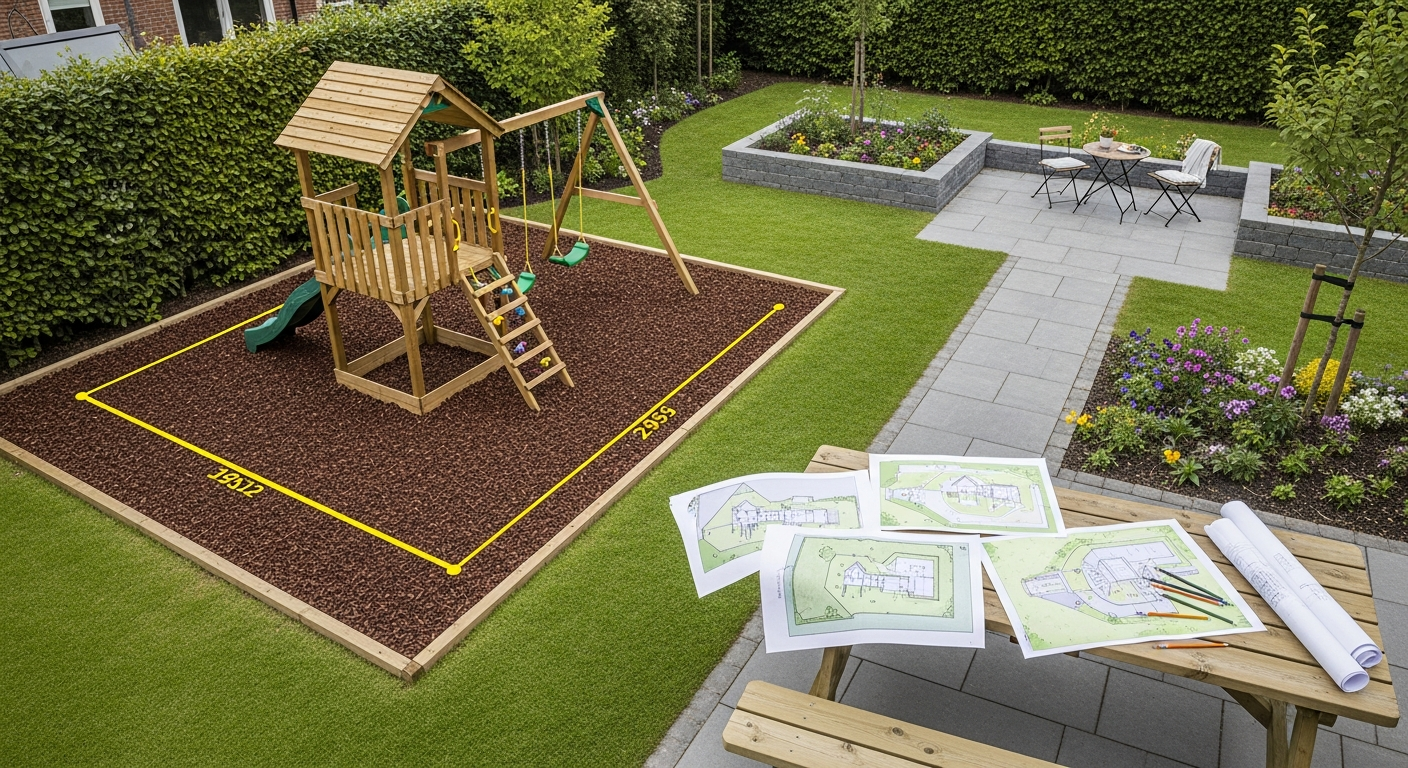
Discover how to maximize your garden space for the Fatmoose CrazyCoconut Club XXL playset. Learn spacing requirements, safety zones, and layout tips for optimal backyard play. Expert guidance for parents planning their installation.
Your garden deserves more than just grass and occasional use. Over 70% of parents struggle to visualize how a large-scale climbing frame will actually fit into their existing layout, leading to costly mistakes during installation or, worse, discovering the playset doesn't work for their space after purchase. The Fatmoose CrazyCoconut Club XXL represents the pinnacle of German-engineered outdoor play equipment, but its XXL designation demands thoughtful planning before you commit.
This isn't a small addition you can squeeze into a corner. The CrazyCoconut Club XXL combines multiple play zones with climbing platforms at 90 cm, 120 cm, and 150 cm heights, a 220 cm wave slide, dual swings, and an integrated sandbox. Your garden's layout will determine whether this investment becomes the centerpiece of family fun or an awkward, underutilized structure taking up valuable space.
Understanding the Physical Footprint of the CrazyCoconut Club XXL
Approximate Dimensions and Ground Area
The CrazyCoconut Club XXL occupies substantial garden real estate. While exact footprints vary based on assembly configuration, you're looking at a structure that demands a dedicated zone rather than a peripheral addition. The integrated sandbox alone adds width to the overall footprint, and the swing area extends the structure's reach significantly beyond what many parents initially anticipate.
Height Considerations Across Three Platform Levels
Your 150 cm platform height requires overhead clearance for safe play. Overhanging tree branches, pergolas, or structures within reach create hazards that limit usable play time or force children away from certain equipment. The three distinct platform heights (90 cm, 120 cm, 150 cm) mean different age groups access different sections, so your layout must allow traffic flow between levels without congestion.
Swing Radius and Slide Trajectory Calculations
The two RetroRider swing seats aren't stationary play points—they're dynamic elements requiring circular clearance space. A 50 kg child swinging at full arc needs unobstructed movement. Similarly, the MaxiGlider 220 cm wave slide has a specific landing zone where children decelerate. Position the structure too close to fences, walls, or garden features, and you've created a safety hazard that defeats the purpose of this premium equipment.
Comparison with Standard Garden Features
Visualize the footprint against your existing garden elements. If your garden currently features a standard patio (roughly 4m x 4m), the CrazyCoconut Club XXL occupies comparable or larger space. Picture it alongside your deck, fence lines, and garden pathways—this mental exercise reveals whether your available space realistically accommodates the entire structure without cramping other outdoor activities.
Safety Clearance Zones—What Every Parent Must Know
Fall Zones and Playground Standards
German safety standards (TÜV certification) specify recommended fall zones around climbing structures. These aren't suggestions—they're engineered safety margins that protect children during tumbles. The pressure-treated wood construction is robust, but safe play requires adequate ground area for impact absorption. Bark mulch, safety mats, or other surfaces in these zones directly influence how safely your children can play.
Swing Safety Perimeter and Obstacle Distance
Swings demand respect. The RetroRider seats with their 50 kg maximum load capacity can generate significant force during extended play. Minimum distances from walls, fences, and other obstacles prevent collisions that could injure children or damage property. A swing positioned too close to a fence becomes a hazard rather than a feature.
Overhead Clearances and Environmental Hazards
Trees overhanging your intended playset location create seasonal risks. Dead branches, falling fruit, or simply shade that prevents proper visibility complicate supervision. Power lines overhead are absolute no-go zones. Before finalizing your layout, spend time observing your garden's environmental elements that could interfere with safe play.
Ground Anchor Spacing and Stability Requirements
The 9×9 cm swing beam and supporting structure require stable ground anchoring. Your soil type, existing underground utilities, and moisture content all factor into proper anchor installation. Ground anchors aren't optional accessories if you want the 10-year wood guarantee and maximum structural stability—they're essential components of the installation.
Measuring Your Garden and Creating a Layout Blueprint
Step-by-Step Measurement Process
Start with a basic tape measure, stakes, and string. Measure your garden length and width in multiple directions—many gardens aren't perfect rectangles. Mark existing trees, structures, utility boxes, and pathways. Create a scaled drawing on paper or use free digital garden planning apps that let you place the playset dimensions within your actual garden outline. This visual exercise prevents surprises during installation.
Accounting for Existing Features and Utilities
Underground gas lines, water pipes, and electrical cables require respect. Before installing ground anchors, contact your local utility locating service. Existing trees that provide summer shade might block winter warmth needed for drying pressure-treated wood. Your current pathways determine whether the playset sits naturally within your garden flow or becomes an awkward obstacle.
Identifying Optimal Positioning Based on Garden Shape
Rectangular gardens often accommodate corner placement, freeing central space for other activities. Larger, open spaces might benefit from central positioning that creates a focal point. L-shaped or irregularly shaped gardens require creative solutions that utilize natural boundaries or feature corners effectively. Your garden's unique shape determines which layout options are actually viable.
Sun Exposure Mapping and Seasonal Considerations
Track the sun's path across your garden in different seasons. Afternoon shade keeps slides from becoming uncomfortably hot during summer play. Winter sunlight helps dry pressure-treated wood and maintains visibility. This isn't trivial—children avoid playing on scorching slides, and damp conditions accelerate wood deterioration.
Positioning for Visibility and Supervision
Sight Lines from Your House and Window Positioning
You need clear views of all play areas from your house. Position the playset where you can monitor it from kitchen windows or a patio seating area. Eliminate blind spots created by fences, hedges, or garden structures. Children playing unsupervised represents the greatest safety risk—your layout must support natural, engaged parental oversight.
Creating Natural Flow Between Playset and Adult Seating
Your comfort matters. If supervising the playset means sitting in an uncomfortable spot with poor weather protection, you'll gravitate indoors. Position the structure within sight of your preferred outdoor seating area—whether that's a patio, deck, or garden bench. This proximity encourages active parental presence without feeling forced.
Lighting Considerations for Extended Play Hours
Summer evenings often include outdoor play extending past sunset. If you plan installed garden lighting, position the playset in a location where light fixtures can effectively illuminate all play zones. Poor lighting creates shadows and safety concerns that limit evening usability.
Ground Preparation and Installation Foundation
Soil Assessment and Impact on Ground Stability
Your soil type directly influences anchor holding capacity and water drainage. Clay soil holds moisture longer, potentially affecting pressure-treated wood longevity. Sandy soil drains quickly but may not provide secure anchor grip. Have a basic soil assessment done if you're uncertain. This information guides both installation approach and ground anchor specifications.
Leveling Requirements for the Base Platform
The main base platform and the 9×9 cm swing beam require relatively level ground. Significant slopes necessitate leveling work before installation. Uneven ground creates stress on the wood structure and compromises safety margins. This prep work takes time but directly impacts how long your investment lasts.
Surface Options and Maintenance Implications
Grass, bark mulch, safety mats, and manufactured safety surfaces each have maintenance profiles and durability characteristics. Grass requires regular mowing around the structure. Bark mulch settles and needs periodic topping off. Manufactured surfaces offer consistency but require more initial investment. Your chosen surface affects both safety and long-term maintenance demands.
Drainage Planning and Water Management
Pressure-treated wood resists rot better than untreated lumber, but standing water accelerates deterioration. Position the playset where natural slope directs water away, or plan drainage solutions like perforated pipes or gravel beds. This consideration prevents costly wood replacement years prematurely.
Adapting Your Layout for Different Garden Shapes and Sizes
Corner Placement Strategies for Rectangular Gardens
Rectangular gardens often benefit from corner positioning that reserves central space for other family activities. Back corners near existing structures provide natural boundaries that simplify supervision sight lines. This approach works well for families wanting the playset as a distinct zone rather than the garden centerpiece.
Central Positioning for Larger, Open Spaces
Larger properties can accommodate central placement that makes the playset a focal point. This positioning naturally draws family gathering around the structure and simplifies sight lines from multiple windows. It also allows swing radius and slide landing zones without interference from garden boundaries.
L-Shaped Garden Solutions and Awkward Space Utilization
L-shaped gardens often have underutilized corners perfect for playset placement. The bend naturally creates distinct zones—one for play, one for relaxation. Awkward angles and corners that don't work for traditional seating arrangements become ideal landing spots for the structure.
Sloped Terrain Adjustments and Leveling Techniques
Sloped properties require leveling work, but don't assume this eliminates playset placement. You can build up low areas with proper fill or cut higher sections. The key is achieving relatively level ground for the main platform and swing beam. Significant slopes might require professional leveling consultation.
Small Garden Compromises and Honest Space Assessment
Not every family has space for an XXL playset. Measure your available area realistically. Account for safety clearance zones, not just the structure footprint. If your garden measures less than 8m x 8m with existing structures, the CrazyCoconut Club XXL might genuinely be too large. Fatmoose offers smaller models that better suit compact properties.
Multi-Zone Garden Design and Activity Integration
Your garden serves multiple functions. Position the playset to create distinct zones—play area, adult seating, perhaps gardening space or vegetable beds. This zoning approach prevents the garden from feeling dominated by the structure while maintaining clear sight lines between zones.
Seasonal and Weather Considerations in Your Layout Plan
Prevailing Wind Patterns and Swing Safety
Wind affects swings significantly. Strong prevailing winds from one direction can destabilize swinging motion or push children dangerously. If your garden experiences consistent directional winds, position the swing area perpendicular to those patterns. This simple adjustment improves safety and play quality.
Sun Exposure Mapping Across Seasons
The sun's angle changes dramatically between summer and winter. Map where shadows fall across seasons if you're uncertain. Morning sun provides visibility without excessive heat. Afternoon shade protects from overheating but reduces winter warmth beneficial for drying pressure-treated wood. Balance these competing concerns based on your climate.
Rainfall Runoff and Water Pooling Prevention
Heavy rains create runoff that can pool around ground anchors or against pressure-treated wood. Position the structure where natural ground slope directs water away. If your garden is relatively flat, plan drainage solutions—even simple gravel beds adjacent to the base help water disperse quickly.
The Integrated FatTarp and Weather Protection Deployment
The included FatTarp (650 gr/m²) provides weather protection, but your layout must accommodate its deployment. Position the playset where you can actually access and secure the tarp without excessive struggle. A structure squeezed into a tight corner becomes difficult to maintain and protect seasonally.
Winter Maintenance Accessibility
Snow accumulation, ice formation, and frost affect playability and wood longevity. Position the playset where you can comfortably access it for seasonal maintenance. Snow removal around ground anchors and swing clearance areas becomes easier with accessible positioning.
Common Layout Mistakes Parents Make
Underestimating Swing Clearance
The most frequent error involves positioning the playset too close to fences or walls, underestimating how much space swinging children actually require. Children at full swing arc extend further than most parents visualize. This mistake often forces repositioning after assembly—a costly and frustrating experience.
Ignoring Ground Drainage
Parents frequently position playsets in naturally low areas of the garden where water pools after rain. This ground selection accelerates wood rot despite pressure treatment. Water-logged soil compromises ground anchor stability and creates muddy play conditions. Better drainage prevents these long-term problems.
Positioning Against Walls or Structures
Walls and structures block sight lines from the house. What seems efficient space-wise compromises supervision—the primary factor in preventing childhood injuries. Don't sacrifice visibility for perceived space efficiency.
Overcrowding with Additional Features
The temptation to add multiple accessories or garden features around the playset results in cramped, congested play areas. Children need space to move safely between equipment. More isn't always better if it compromises playability.
Neglecting Ground Anchor Installation
Skipping ground anchors seems budget-conscious, but it voids the 10-year wood guarantee and compromises stability. Your investment protection depends on proper anchoring. Don't treat this as optional.
Poor Sun Positioning and Heat Management
Positioning the slide where afternoon sun heats it excessively makes it unusable during hot months. Conversely, deep shade prevents proper wood drying and creates damp conditions favoring deterioration. Balanced sun exposure serves multiple purposes.
Tools and Resources for Planning Your Installation
Digital Design Tools and Garden Planning Apps
Free apps like iScape or Planner 5D let you overlay the playset dimensions into photos or digital garden layouts. More sophisticated approaches use CAD software or professional landscape design tools. These visualizations prevent measurement errors and layout misconceptions.
Fatmoose Documentation and Specification References
Fatmoose provides detailed installation guides with precise dimensions for every component. German TÜV certification documents detail safety requirements and clearance specifications. These resources are invaluable for understanding exact positioning needs.
Community Forums and Real-World Examples
Parent forums and Fatmoose community galleries showcase successful installations in various garden types. These real-world examples demonstrate how other families solved layout challenges similar to yours. Visual inspiration often sparks creative solutions.
Professional Consultation When Needed
Landscape designers familiar with playset installation can assess your space and recommend positioning strategies. If you're uncertain about leveling, drainage, or safety clearances, professional consultation provides peace of mind. Many professionals offer free initial consultations.
Making the Final Decision—Does Your Garden Fit the XXL?
Honest Assessment of Available Space
Measure twice, decide once. Your available space must accommodate the structure plus safety clearance zones, not just the footprint. Account for future growth in how children play as they age. This honest assessment prevents buyer's remorse.
Trade-Offs Between XXL Features and Square Footage
The XXL designation comes with extensive features—multiple platforms, integrated sandbox, comprehensive accessories. But it requires substantial space. If your garden measures under 8m x 8m with existing structures, smaller Fatmoose models might deliver better value and usability.
Resale Value and Property Appeal
A well-positioned, properly installed CrazyCoconut Club XXL enhances property appeal for families with children. Poor positioning or installation creates visual clutter that detracts from garden aesthetics. Strategic placement protects your investment's resale value.
Timeline Planning and Seasonal Assembly Considerations
Assembly takes time, weather matters, and soil conditions change seasonally. Plan installation during dry weather when ground preparation and anchor installation proceed smoothly. Rushing installation compromises quality and safety.
Transform Your Backyard Into a Play Paradise
The Fatmoose CrazyCoconut Club XXL represents a significant investment in your family's outdoor lifestyle. This isn't a purchase to make casually or position without forethought. The pressure-treated European solid wood construction ensures longevity through countless seasons, but only when your layout supports proper drainage, visibility, and ground stability.
Your garden's unique shape, sun patterns, existing features, and spatial constraints all influence how successfully this playset integrates into daily family life. Children who feel safe and well-supervised play more freely and stay engaged longer. Parents who maintain clear sight lines supervise more consistently and enjoy the experience more thoroughly.
Walk your garden at different times of day. Observe where shadows fall, how water drains after rain, and which areas naturally draw your attention when you're outdoors. Sketch multiple layout options on paper. Measure dimensions precisely. Account for safety clearance zones that extend well beyond the structure itself. This planning phase transforms what could be an awkward, regrettable purchase into a centerpiece of family outdoor living.
The CrazyCoconut Club XXL delivers climbing challenges, swinging thrills, sliding excitement, and imaginative play possibilities. Your thoughtful layout planning ensures every feature functions safely and serves your family's actual needs rather than sitting partially unused due to poor positioning.