
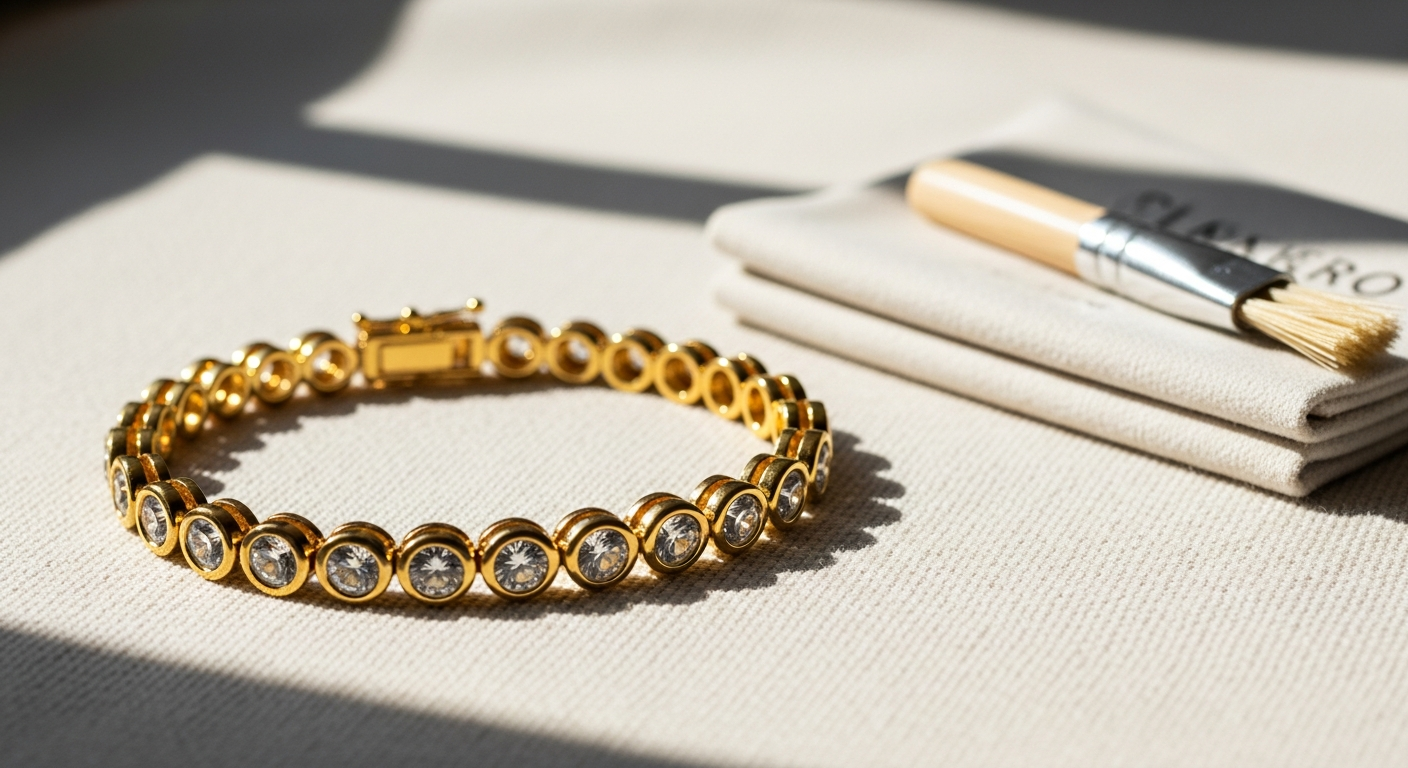
Discover expert tips for maintaining your Ilvaae gold-plated synthetic stone bracelet. Learn cleaning techniques, storage solutions, and how to preserve its shine and durability for years to come.
Gold-plated jewelry represents a massive segment of the affordable luxury market, yet millions of owners watch their treasured pieces fade and lose their sparkle far too quickly. The culprit isn’t poor craftsmanship—it’s typically a lack of understanding about what gold plating actually needs to thrive. Your Ilvaae gold-plated synthetic stone bracelet sits at the intersection of elegance and accessibility, offering the visual richness of fine jewelry at a price point that makes sense for everyday wear.
The reality is that gold plating requires intentional maintenance to preserve its lustrous finish. Most people treat their gold-plated pieces like solid gold jewelry, which accelerates degradation and diminishes both appearance and longevity. This isn’t a flaw in the product; it’s simply a matter of understanding the material and respecting its needs.
Discover how to protect your Ilvaae bracelet investment with proven care techniques.
This comprehensive guide walks you through the specific methods, materials, and habits that will extend your bracelet’s lifespan and keep it looking showroom-fresh. From understanding the science behind plating wear to mastering storage strategies and daily cleaning rituals, you’ll gain the knowledge needed to prevent damage before it happens.
Understanding Gold Plating on Your Ilvaae Bracelet
What Yellow Gold Plating Actually Is and How It Differs from Solid Gold
Yellow gold plating is a thin layer of genuine gold bonded to a base metal beneath it. In the case of your Ilvaae bracelet, this plating creates the warm, luxurious glow you see, while a more affordable metal forms the structural core. This construction allows you to wear authentic gold without the expense of solid gold jewelry.
The difference between plated and solid gold matters enormously. Solid gold maintains its properties regardless of how deeply you scratch it—the material is consistent throughout. Gold plating, by contrast, is a surface application. Once the plating wears through, you expose the base metal underneath, which can look dull or even discolor with oxidation.
The Thickness Standards for Quality Gold-Plated Jewelry
Quality matters in plating thickness, and Histoire d’Or’s Ilvaae bracelet reflects industry standards for affordable luxury pieces. Professional gold plating typically measures between 0.5 and 2.5 microns thick—incredibly thin by visual standards, yet sufficient to provide years of wear with proper care.
This thin layer is precisely why maintenance becomes critical. Unlike a solid gold bracelet that grows stronger with age, a gold-plated piece depends entirely on preserving what’s already there.
Why Gold Plating Wears Away Over Time with Normal Use
Gold plating naturally erodes through consistent contact and friction. Every time your bracelet rubs against skin, clothing, or other surfaces, microscopic amounts of the plating gradually transfer away. This isn’t a manufacturing defect—it’s the inevitable consequence of wearing the piece.
The rate of wear accelerates significantly with exposure to moisture, sweat, and chemical interactions. Daily activities that seem harmless, like showering with your bracelet on or washing dishes while wearing it, introduce conditions that speed up degradation.
How Skin Chemistry, Moisture, and Friction Accelerate Plating Degradation
Your skin’s natural chemistry plays a major role in plating longevity. Body oils, sweat, and salts create an acidic environment that can weaken the bond between the gold layer and the base metal. Some people’s skin chemistry is naturally more aggressive than others, which explains why two identical bracelets worn by different people may show different wear patterns.
Moisture presents another challenge. Water doesn’t just sit on the surface—it penetrates gaps and seams, corroding the base metal and creating conditions where the plating detaches prematurely. Chlorine in pools and hot tubs is particularly damaging, as it’s highly corrosive to both gold plating and the metals beneath.
Friction from constant movement compounds these factors. The clasp area experiences especially heavy friction from opening and closing, as does anywhere the bracelet twists or bends against your wrist.
Daily Cleaning Methods That Protect Your Bracelet
The Gentle Soap and Lukewarm Water Technique for Routine Cleaning
The most effective daily maintenance involves simple soap and lukewarm water. Fill a small bowl with lukewarm (not hot) water and add a drop or two of mild dish soap. Submerge your bracelet for thirty seconds, allowing the soapy water to loosen dirt and body oil buildup.
Use your fingertip to gently rub around the synthetic stone and along the gold-plated surfaces, paying special attention to the clasp where debris accumulates. Never use a brush or scrub tool—your fingers provide just enough friction to clean without damaging the delicate plating.
Why Harsh Chemicals and Abrasive Cleaners Damage Gold Plating
Commercial jewelry cleaners marketed for gold often contain aggressive chemicals designed for solid gold restoration. These same products can strip away gold plating in seconds. Bleach, ammonia-based cleaners, and acetone are particularly destructive—avoid them entirely.
Abrasive cleaners and powders scratch the gold layer, creating microscopic damage that accelerates future wear. Even “gentle” jewelry polishing cloths can be too aggressive for thin plating. The margin for error with gold-plated jewelry is narrow, which is why simplicity becomes your greatest asset.
Using a Soft Microfiber Cloth to Restore Shine Without Scratching
After the soap and water rinse, pat your bracelet dry with a lint-free cloth, then gently buff it with a soft microfiber cloth. These specialized cloths have fibers so fine they won’t create scratches or snags in the delicate plating.
Use gentle circular motions to restore shine, focusing on areas that look dull. The microfiber cloth removes water spots and microscopic dust while polishing the gold to a subtle luster. This takes less than a minute but makes a visible difference in appearance.
How to Remove Body Oils and Residue That Dull the Gold Finish
Over time, body oils accumulate on your bracelet’s surface, creating a haze that dims its sparkle and makes the gold look tired. These oils are natural and harmless in small amounts, but they build up surprisingly quickly.
Weekly cleaning with the soap and water method specifically targets this buildup. The soap acts as a degreaser, lifting oils from the metal and synthetic stone. For stubborn residue, let the bracelet soak in soapy water for a full minute before gently cleaning. This prevents you from needing to scrub harder, which is always the safer approach.
Synthetic Stone Care and Preservation
The Composition of Synthetic Stones and Why They Require Different Care Than Natural Gems
Your Ilvaae bracelet features a synthetic stone, often called crystal or lab-created stone. Unlike natural gemstones that formed over millions of years, synthetic stones are engineered in laboratories to replicate the optical properties of natural gems. They’re chemically similar but structurally different—and this affects how you care for them.
Synthetic stones are typically harder than many natural gems and quite durable, but they’re not immune to damage. They can cloud, scratch, or lose their brilliance if exposed to certain chemicals or improper cleaning methods.
How to Maintain the Crystal Clarity and Sparkle of Your Stone
Clarity and sparkle are what draw your eye to the bracelet. Maintaining that optical brilliance requires preventing buildup and avoiding anything that creates a film on the stone’s surface.
Water spots are the primary culprit. When water dries on the synthetic stone, it leaves mineral deposits that cloud the surface. After cleaning, always dry thoroughly with your microfiber cloth, paying special attention to the stone itself. If you notice cloudiness developing, it usually indicates mineral buildup that a fresh soap and water cleaning will remove.
Avoiding Products That Can Cloud or Damage the Synthetic Material
Never use vinegar, lemon juice, or other acidic substances on your bracelet, even if they’re marketed for jewelry cleaning. These can etch the synthetic stone’s surface, leaving permanent cloudiness. Alcohol-based cleaners can also damage the coating on synthetic stones.
Similarly, avoid ultrasonic cleaners or steam cleaning machines. Their intense vibrations and heat can weaken the setting holding the stone and damage the plating. The gentle hand-cleaning method is genuinely the best option.
Gentle Techniques for Removing Buildup Around the Stone Setting
The area where the synthetic stone meets the gold-plated metal setting tends to trap debris. Over weeks of wear, dirt and oils accumulate here, making the setting look dull and compromising the stone’s brilliance.
During your weekly cleaning, use a soft toothbrush (specifically reserved for jewelry, not dental use) to gently brush around the stone’s perimeter. Use only plain lukewarm water or the soapy water solution—no aggressive scrubbing. This technique removes trapped debris while respecting the delicate setting.
Learn the complete maintenance routine that keeps your Ilvaae bracelet brilliantly radiant.
Storage Solutions That Prevent Damage
The Ideal Storage Environment for Gold-Plated Jewelry
Where and how you store your bracelet between wearings directly affects its longevity. The ideal storage environment is cool, dry, and dark. Temperature and humidity fluctuations cause the base metal to expand and contract, putting stress on the gold plating bond and accelerating separation.
Avoid storing your bracelet in the bathroom, where humidity from showers and baths remains high. The kitchen is equally problematic due to temperature variations near appliances. Choose a bedroom closet, dresser drawer, or any interior space that maintains consistent conditions.
Why Humidity and Temperature Fluctuations Matter for Plating Longevity
High humidity creates the perfect conditions for corrosion. Moisture encourages oxidation of the base metal, which expands and contracts as it reacts. This movement physically stresses the thin gold plating, creating microscopic cracks where moisture can penetrate further.
Temperature swings accelerate the same expansion and contraction cycle. A bracelet stored near a window where temperature changes with the sun, or above a heating vent where warm air rises, experiences unnecessary stress. Consistent, moderate conditions eliminate this variable.
Choosing Between Jewelry Boxes, Pouches, and Individual Compartments
A dedicated jewelry box with a soft-lined interior compartments works beautifully for bracelet storage. The fabric lining prevents the metal from contacting hard surfaces, and individual compartments prevent your bracelet from tangling with other pieces.
If space is limited, a soft fabric pouch specifically designed for jewelry provides excellent protection. The key is that whatever container you use should have a soft interior that won’t scratch the plating. Avoid plastic containers without padding—static electricity can attract dust particles to the bracelet’s surface.
How to Prevent Tangling and Friction Damage During Storage
Tangling with other jewelry creates friction and stress on the gold plating. If storing your Ilvaae bracelet with other pieces, use individual compartments to keep it separated. Alternatively, store it in its own pouch or box.
Before storage, ensure your bracelet is completely clean and dry. Any residual moisture trapped in storage accelerates corrosion. A simple practice: immediately after wearing and cleaning, let the bracelet air dry for a few minutes before putting it away.
Making Your Ilvaae Bracelet a Lasting Treasure
Your Ilvaae gold-plated synthetic stone bracelet transcends its €69 price point—it’s a carefully crafted accessory designed for those who appreciate beauty without excess expense. Yet ownership brings responsibility. This piece won’t maintain its radiance through neglect; it demands intentional, simple care that compounds into long-term brilliance.
Prevention always surpasses restoration. A bracelet protected from chlorine, excessive moisture, harsh chemicals, and unnecessary friction requires minimal intervention. Pair avoidance strategies with a straightforward weekly cleaning routine and thoughtful storage practices, and your bracelet will maintain its lustrous appeal for years of regular wear.
Start implementing these habits today. Move your bracelet to appropriate storage away from humidity and temperature fluctuations. Commit to removing it before your next shower. Next week, establish the habit of weekly cleaning with soapy water and microfiber cloth drying. These small, consistent actions compound into remarkable results—a bracelet that continues turning heads and catching light exactly as it did when you first opened the box.
Start your Ilvaae bracelet care routine and preserve your elegant accessory for years to come.