
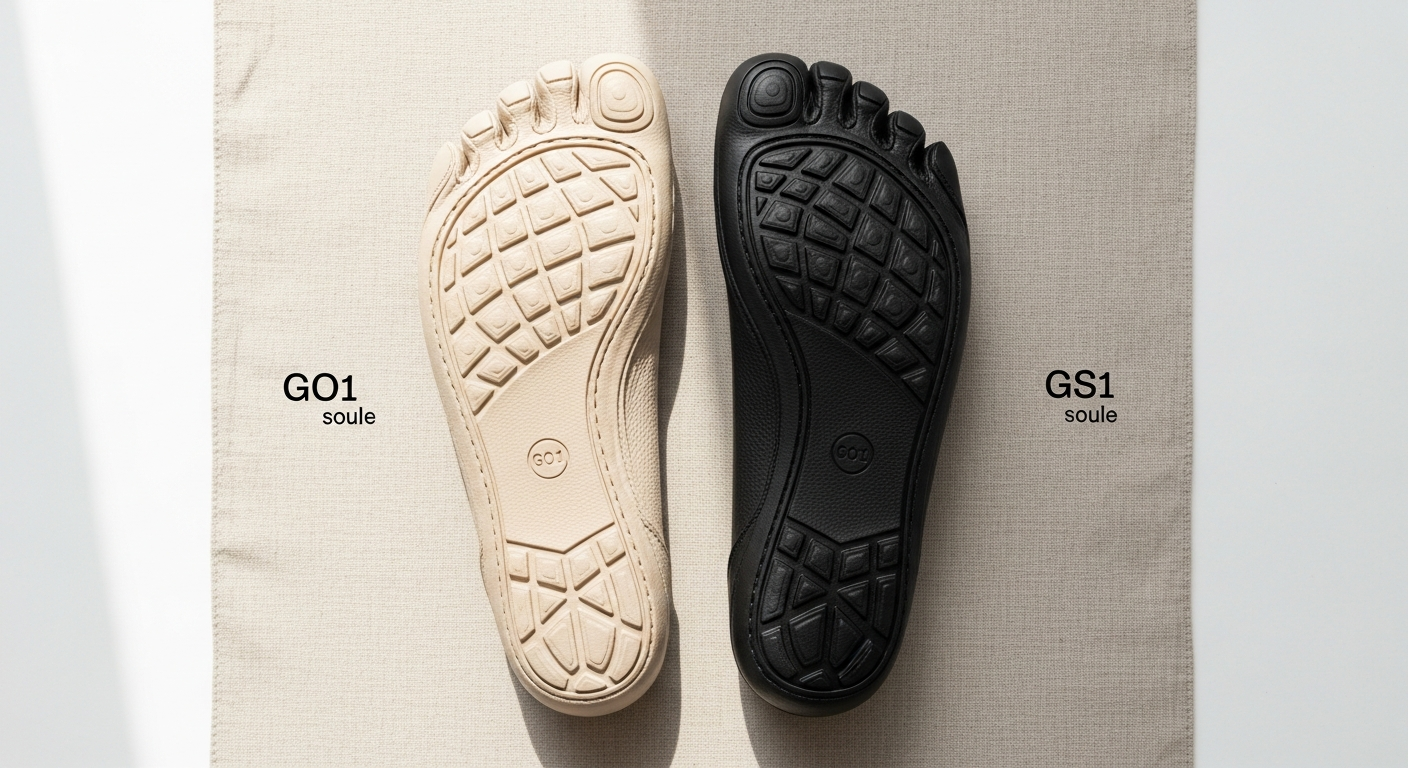
Compare Groundies Nova barefoot sneakers' GO1 and GS1 soles to find your perfect fit. Explore flexibility, comfort, and design differences in this detailed buyer's guide.
Understanding Barefoot Footwear's Best Urban Choice
Over 60% of barefoot shoe newcomers abandon their minimalist journey within the first three months—usually because they picked the wrong shoe. The Groundies Nova, however, breaks this pattern. With two distinct sole technologies engineered for different foot preferences, it's become the go-to choice for people transitioning into barefoot footwear without sacrificing urban style.
The barefoot movement has evolved from a niche wellness trend into a mainstream footwear revolution. The Groundies Nova stands at the intersection of this shift, designed in Germany and manufactured in Portugal with meticulous attention to biomechanics. What makes it genuinely different isn't just the zero-drop design or anatomical toe box—it's the flexibility to choose between two sole systems that fundamentally change how the shoe feels and performs.
Discover the Groundies Nova and find your perfect barefoot match today.
This guide strips away the marketing noise and gets straight to what matters: understanding which Nova configuration suits your feet, lifestyle, and transition goals. You'll discover the technical differences between the GO1 and GS1 soles, learn who benefits most from each, and get clarity on sizing, materials, and whether the €120–€150 investment aligns with your barefoot journey.
Understanding the Two TrueSense® Sole Technologies
Overview of Groundies' Proprietary Sole System
The TrueSense® sole system represents Groundies' core innovation in barefoot footwear design. Rather than compromising between feel and function, this dual-configuration approach allows wearers to select a sole that matches their specific needs and transition timeline. The system works because it respects the fundamental principles of barefoot movement while acknowledging that different feet require different approaches.
How Sole Thickness Impacts Ground Feel and Proprioception
Both Nova configurations feature a 3mm base thickness, which is crucial for ground feedback. This minimal cushioning preserves proprioceptive awareness—your foot's natural sense of position and movement. The 3mm base is thick enough to protect against sharp objects and harsh terrain without creating the disconnection you'd experience in conventional sneakers. This thickness preserves the neurological feedback loop that makes barefoot walking genuinely transformative for foot strength and postural alignment.
The Relationship Between Tread Depth and Flexibility
The difference between the GO1's 3.3mm tread and the GS1's 3.9mm tread might seem minimal numerically, but the performance difference is substantial. Greater tread depth on the GS1 provides enhanced grip and durability, making the shoe feel more like a traditional sneaker. The GO1's thinner tread prioritizes flexibility, allowing the foot to bend naturally with each step. This distinction determines how the shoe responds to varied walking speeds, terrain transitions, and the overall feel of ground connection.
Why Sole Choice Matters More Than Upper Material
While the leather quality and lining certainly affect comfort, the sole is the primary determinant of how the Nova performs. The upper materials affect aesthetics and durability; the sole determines whether you experience genuine barefoot benefits or merely a stylized version of minimalism. Someone in a gorgeous leather Nova with the wrong sole for their feet will struggle far more than someone prioritizing sole compatibility and tolerating less premium aesthetics.
GO1 Sole: Maximum Ground Feel and Flexibility
Exceptional Ground Feedback for Natural Proprioceptive Development
The GO1 sole delivers what barefoot enthusiasts call "ground feel"—the ability to sense terrain variations, texture differences, and surface conditions through the shoe. This heightened proprioceptive awareness strengthens foot muscles progressively, improving balance and movement stability over time. Walkers in GO1 Novas report feeling the subtle contours of city sidewalks, which might sound uncomfortable but actually accelerates the neurological adaptation that makes barefoot walking genuinely protective.
Superior Flexibility for Dynamic Movement
The GO1's thinner tread creates a shoe that flexes naturally with foot movement. Bending at the ball of the foot, the Nova responds to your walking cadence without resistance. This compliance is particularly valuable during the transition period when your foot muscles are rebuilding the strength they've lost through years in cushioned shoes. The flexibility mimics the natural gait pattern your body wants to adopt, rather than imposing an artificial stride.
Roomier Fit Due to Sole Design
The GO1's construction creates a slightly wider sensation than the GS1, even though both are available in the same shoe size range. This extra room in the forefoot accommodates natural toe splay—the spreading of toes that occurs when feet are unrestricted. People with average to wide feet frequently report that the GO1 provides the comfort they need without sensation of constraint. Those transitioning from conventional shoes often discover they have wider feet than they realized once given actual space to spread.
Preferred Choice for Barefoot Beginners
New barefoot wearers benefit most from the GO1's combination of ground feedback and flexibility. The shoe teaches your feet what natural movement feels like without overwhelming them with dramatic change. The ground feel accelerates proprioceptive development, while the flexibility allows muscles to engage naturally rather than fighting against shoe rigidity.
Performance in Urban Environments
For daily city walking and commuting, the GO1 excels. The ground feel aids navigation through crowded streets by enhancing spatial awareness. The flexibility adapts to sidewalk irregularities, stairs, and the constant micro-adjustments required in urban environments. Wearers report that the GO1 makes even routine commutes more engaging, transforming walking from passive transportation into active movement practice.
How the GO1 Responds to Varied Terrain and Weather
The GO1 adapts well to the diverse surfaces of urban life: concrete, asphalt, tile, and occasional park paths. The thinner tread provides reliable grip on most surfaces, though the slightly reduced tread depth means wet conditions require extra caution. Some users note that slippery surfaces demand attention, but this heightened awareness often prevents missteps that might occur in shoes that create false confidence on slick surfaces.
Durability and Long-Term Wear Patterns
Despite its thinner profile, the GO1 demonstrates solid longevity. The TrueSense® material resists premature breakdown, and regular wearers report 12–18 months of reliable performance before noticeable sole wear appears. The wear pattern typically shows accelerated wear on the heel and ball of the foot, which is natural and expected. With proper maintenance, a GO1 Nova remains functionally sound well beyond the point where conventional sneakers would need replacement.
Best For: Transitioning Walkers, Minimalist Enthusiasts, and Those Prioritizing Natural Movement
If you're new to barefoot footwear or prioritize the sensory experience of ground connection above all other factors, the GO1 is your ideal match. Experienced minimalists who've outgrown cushioned shoes and want maximum proprioceptive engagement also gravitate toward the GO1. Anyone willing to trade slight weather vulnerability for authentic ground feel will thrive in this configuration.
GS1 Sole: Traditional Aesthetics with Barefoot Benefits
Faux Sidewall Design That Mimics Conventional Sneaker Appearance
The GS1's defining feature is its faux sidewall, a visual element that makes the shoe appear structurally similar to traditional sneakers. This design choice is brilliant for professionals, office workers, and anyone concerned that barefoot shoes might appear too unconventional. The sidewall creates the visual illusion of cushioning and structure, allowing wearers to experience barefoot benefits without the immediate recognition of minimalist footwear.
Thicker Tread for Enhanced Durability
The GS1's 3.9mm tread provides superior grip and extended sole lifespan. This extra tread depth means the shoe remains functionally sound longer, justifying the investment through extended wear. Users report that GS1s maintain reliable performance through 15–20 months of regular use, slightly outpacing the GO1 in durability metrics. The thicker tread also handles wet conditions with noticeably more confidence than the GO1.
Slightly Reduced Flexibility—Trade-Off Between Feel and Structure
The GS1 offers less dramatic ground feel and flexibility compared to the GO1. This is a calculated trade-off: the shoe feels more structurally sound and supportive, which appeals to people accustomed to conventional sneaker architecture. The reduced flexibility still allows natural movement compared to cushioned shoes, but the shoe provides more feedback restriction. Some wearers experience this as "support," while barefoot purists perceive it as "constraint."
Narrower Fit Profile Suitable for Low to Average Volume Feet
The GS1's construction creates a slightly narrower fit than the GO1. This suits people with narrow to medium feet exceptionally well, as the shoe provides secure containment without looseness. However, those with wide feet often find the GS1 uncomfortably restrictive, making the GO1 a better choice despite other preferences favoring the GS1's aesthetic.
Aesthetic Appeal for Users Wanting Barefoot Benefits Without Obvious Minimalist Design
The GS1 succeeds in appearing professionally appropriate while delivering barefoot benefits. Workplace environments, client-facing roles, and conservative dress codes present no concerns with GS1 Novas. The retro styling remains contemporary and fashionable, but the traditional sneaker appearance eliminates the need to explain or justify barefoot footwear choices.
Performance Characteristics: Stability, Shock Absorption, and Everyday Wearability
The GS1 excels in environments demanding assured footing and professional presentation. The slightly denser sole construction provides perception of stability that many office workers appreciate. While still maintaining zero-drop design and barefoot benefits, the GS1 feels more "normal" to wearers transitioning from conventional shoes. This psychological comfort often accelerates the adaptation process for people anxious about barefoot transitions.
Maintenance and Cleaning Considerations for Traditional-Looking Sneakers
The GS1's traditional appearance matches conventional sneaker cleaning approaches. Light color GS1s require regular attention to maintain aesthetic appeal, but the familiar sneaker look means established cleaning routines apply directly. Unlike some minimalist shoes that demand specialized care, GS1s respond to standard leather cleaning products and methods.
Best For: Professionals, Fashion-Conscious Minimalists, and Those Seeking Subtlety
If your environment demands workplace-appropriate footwear, the GS1 delivers barefoot benefits without requiring conversation about your shoes. Fashion-conscious wearers who prioritize aesthetics alongside function find the GS1 perfectly balances these concerns. Anyone preferring psychological reassurance through traditional sneaker appearance should select the GS1.
Explore both Nova sole options and select the configuration that matches your lifestyle.
Material Quality and Construction Details
Premium Leather Options: Smooth Leather and Nubuck Combinations
The Groundies Nova features high-quality leather sourcing with careful attention to material characteristics. Smooth leather provides durability and straightforward maintenance, developing patina over time that many wearers appreciate. Nubuck options offer tactile softness and refined aesthetics, though they require slightly more deliberate care to prevent staining. Both materials are selected for durability and the way they age gracefully through extended wear.
OnSteam® Microfiber Lining for Breathability and Moisture Management
The lining material significantly affects comfort during extended wear. OnSteam® microfiber provides moisture-wicking properties that manage perspiration without creating damp environments inside the shoe. This becomes particularly valuable during warm-weather months or for people with naturally warm feet. The lining also prevents materials from directly contacting skin, reducing friction during the transition period when feet are adjusting to barefoot movement.
Chrome-Free Leather Processing for Environmental and Skin Health Considerations
Groundies' commitment to chrome-free leather processing reflects genuine environmental and health consciousness. Traditional chrome tanning processes introduce heavy metals into the production chain; chrome-free alternatives eliminate this concern. For people with sensitive skin or leather allergies, chrome-free processing often prevents irritation that might otherwise occur during the break-in period.
Anatomical Toe Box Design and Natural Toe Splay Accommodation
The Nova's toe box is deliberately spacious, allowing toes to spread naturally without compression. This design directly supports proprioceptive development and reduces foot fatigue during transition periods. The wider toe box accommodates the foot's natural shape rather than forcing toes into conventional pointed configurations. As feet strengthen and spread naturally, wearers discover increased stability from having toes properly positioned.
Zero-Drop Construction and Neutral Footbed for Postural Alignment
Zero-drop construction means the heel and forefoot sit at identical heights, eliminating the forward pitch that characterizes conventional shoes. This alignment encourages proper posture throughout the kinetic chain, from ankle through hip and spine. The neutral footbed provides minimal interference with natural foot mechanics, allowing proprioceptive systems to develop without artificial guidance. These features work synergistically to support healthy biomechanics throughout the barefoot transition.
Stitching Quality and Durability Expectations Across Different Nova Models
The Nova features reinforced stitching at stress points, particularly around the heel counter and toe box. The stitching quality is consistently high across Nova models, indicating careful manufacturing oversight. Users rarely report stitching failures even after extended wear, suggesting that construction quality justifies the premium pricing.
How Materials Interact With the Barefoot Transition Process
During transition periods, material characteristics become particularly important. Breathable linings prevent excessive moisture accumulation when feet perspire more heavily due to increased activity. Quality leather maintains structural integrity as foot shapes change and strengthen. Premium construction tolerates the micro-movements and adjustments that occur as walking patterns shift toward natural gait patterns.
Sizing, Fit, and Foot Volume Considerations
True-to-Size Guidance for Standard Foot Shapes
The Groundies Nova runs true to size for most wearers. If you typically wear a EU size 42, the Nova 42 will likely fit appropriately. However, "true to size" applies primarily to standard foot shapes; individual variation matters significantly. Measuring your feet accurately provides more reliable guidance than assuming conventional sizing will apply.
Barefoot Fit Category Explanation and What It Means for Volume
Groundies categorizes the Nova in their "Barefoot" fit category, which indicates a relatively snug fit compared to mainstream sneakers. This doesn't mean tight or uncomfortable; rather, it means the shoe doesn't include excess internal volume. Wearers accustomed to spacious conventional sneakers might initially perceive the Nova as snug, though proper sizing accommodates appropriate volume once feet adjust.
GO1 Versus GS1 Width Differences and Foot Accommodation
The GO1 generally provides a wider fit experience than the GS1, though both are sized identically. This difference stems from sole construction and how the foot sits within the shoe. Wide-footed individuals frequently report success in GO1 Novas while experiencing constraint in GS1s. If you have naturally wide feet, the GO1 should be your primary consideration, regardless of other preferences.
Why Half-Size Availability Matters (And Current Limitations)
The Nova is currently available in full sizes only. This limitation presents challenges for people who typically wear half sizes. Those between sizes generally find that going up one full size results in excessive length, while going down creates forefoot constraint. Groundies occasionally offers regional variations that might include half sizes, but standard availability remains limited. Checking with authorized retailers about available inventory is worthwhile if half sizes would normally suit your feet.
Recommendations for Narrow, Medium, and Wide Feet
Narrow-footed individuals thrive in either sole configuration, though the GS1's tighter profile might feel more secure. Medium-width feet represent the ideal fit for the Nova's design, with both GO1 and GS1 options working well depending on other priorities. Wide-footed wearers should prioritize the GO1, as its roomier construction accommodates natural foot width that the GS1 might restrict.
Break-In Period Expectations and Initial Comfort Timeline
The Nova typically requires 1–2 weeks of break-in before reaching full comfort, which is relatively brief for premium footwear. During this period, the leather softens and molds to your specific foot shape. Wearing the shoes for progressively longer periods accelerates this process without causing excessive discomfort. Most wearers report that initial tightness resolves completely within the first two weeks of regular use.
Return and Exchange Policies for Fit-Related Concerns
Authorized Groundies retailers generally offer return windows of 30–60 days, allowing exchanges if initial sizing proves incorrect. This generous policy acknowledges that fit certainty requires in-person wear. Taking advantage of return windows if the Nova doesn't feel right after the break-in period is prudent, as proper fit fundamentally determines whether you'll maintain barefoot footwear commitment.
Measuring Your Feet Correctly for Barefoot Shoe Sizing
Accurate foot measurement requires tracing your foot outline on paper while standing with full body weight distributed normally. Measure the length from heel to longest toe and the width at your foot's widest point. Comparing these measurements against Groundies' sizing charts provides more accurate guidance than assuming conventional shoe sizes will translate directly. Measuring both feet, as many people have asymmetrical feet, ensures proper fit for your larger foot.
Real-World Performance Across Different Lifestyles
Urban Commuting: All-Day Comfort and Ground Feedback During City Walking
The Nova excels in commuting environments. The ground feel of the GO1 or the confident structure of the GS1 both support all-day comfort during city walking. Users report that the shoe's lightness and ground connection make commute walking feel less like a burden and more like purposeful movement. The anatomical toe box prevents forefoot fatigue that often accumulates during extended daily wear in conventional shoes.
Office and Professional Settings: Aesthetic Integration Without Compromising Barefoot Benefits
The GS1's professional appearance makes integration into workplace environments seamless. Colleagues rarely question the Nova's legitimacy as professional footwear, and clients see a conventional sneaker rather than minimalist experimentation. Simultaneously, you're receiving genuine barefoot benefits: improved proprioception, natural postural alignment, and foot strengthening that occurs naturally throughout the workday.
Casual Leisure Wear: Styling Versatility With Retro-Inspired Design
The retro aesthetic of both Nova configurations integrates naturally with casual contemporary styling. Pairing the shoe with jeans, chinos, or casual dresses presents no aesthetic friction. The stylish appearance means you're not making a fashion sacrifice for functional footwear choice. This versatility reduces the mental burden of barefoot transitions, as the Nova doesn't require outfit adjustments or explanations.
Transition Period: How Each Sole Supports the Adaptation From Conventional Shoes
The GO1's ground feel and flexibility accelerate proprioceptive adaptation, allowing feet to develop naturally through constant sensory feedback. The GS1's slightly more structured feel provides psychological reassurance that many people need during transitions. Either option successfully bridges the gap between conventional footwear and committed minimalism, though the experience differs noticeably. Beginners anxious about barefoot transitions often succeed better with GS1s initially, then progressing to GO1s once confidence builds.
Weather Considerations: Wet Surface Performance and Seasonal Wearability
The GO1 handles light rain acceptably but demands caution on slick surfaces. The GS1's thicker tread provides more confident grip in wet conditions, making it preferable for people living in persistently damp climates. Both Novas are summer-oriented shoes; winter wear in snow or ice demands additional consideration. Neither sole provides the grip that dedicated winter shoes offer, so seasonal rotation into more protective footwear is prudent in harsh climates.
Activity Range: Suitable Uses and Activities Where Nova Excels or Has Limitations
The Nova succeeds in walking-based activities, casual movement, and daily-life navigation. It's not designed for running, jumping, or high-impact activities, which require different biomechanical support. Extended hiking on rough terrain risks sole damage that the Nova isn't engineered to withstand. The shoe is genuinely excellent for what it's designed for—daily life movement in urban and semi-urban environments—while acknowledging its limitations in specialized activities.
Long-Term Durability: Expected Lifespan and Maintenance Requirements
With proper care, the Nova typically lasts 12–20 months of regular daily wear, with exact duration depending on wear intensity and maintenance consistency. The leather uppers remain structurally sound long after the sole develops visible wear. Sole replacement services aren't widely available for barefoot shoes, as replacement costs often approach new shoe prices. Quality maintenance—regular cleaning, moisture management, and preventative care—extends the Nova's functional lifespan toward the upper range.
User Testimonials: Real Experiences From Different Foot Types and Activity Levels
Consistent user feedback highlights the Nova's success in delivery on its promises. Wide-footed users praise the GO1's accommodation. Office workers celebrate the GS1's professional appearance alongside barefoot benefits. Beginner barefoot wearers report that the Nova's balanced design makes transition manageable and genuinely comfortable. The consistent positive feedback across diverse foot types and lifestyles confirms that the Nova's design philosophy genuinely serves its intended market.
Investment Value and Price-to-Performance Analysis
Price Range Context: €120–€150 Positioning Within Barefoot Footwear Market
The Nova's €120–€150 price range positions it as a premium offering within barefoot footwear markets. This exceeds conventional sneaker pricing by 50–100%, which demands justification beyond mere brand recognition. The price reflects German design, Portuguese manufacturing, premium material sourcing, and the proprietary TrueSense® sole development. Compared to other barefoot brands offering comparable quality, the Nova's pricing aligns with market standards for this product category.
Cost Comparison Against Conventional Premium Sneakers
Many premium conventional sneakers from established athletic brands cost €100–€140, placing them directly competitive with the Nova from a raw pricing perspective. The comparison becomes meaningful when considering that the Nova likely outlasts conventional sneakers through superior material quality and construction durability. The barefoot benefits—improved proprioception, foot strengthening, natural postural alignment—provide additional value that conventional shoes don't offer, making price equivalence misleading.
Durability Factor: Cost Per Wear Over Extended Ownership
A Nova lasting 18 months with regular daily wear (400–500 wears) costs approximately €0.25–€0.30 per wear. This compares favorably with conventional shoes that might cost €0.35–€0.50 per wear despite lower initial prices. The extended lifespan directly reduces the true cost of ownership, making the Nova economical when evaluated beyond initial purchase price.
Value Proposition for Different Buyer Personas
For minimalist enthusiasts willing to make footwear choices based on biomechanical benefits rather than pure fashion, the Nova delivers exceptional value. Office workers gaining barefoot benefits while maintaining professional appearance find genuine value in the GS1 configuration. Barefoot beginners receive quality that supports successful transitions, reducing the likelihood of expensive failures that lead to abandoned minimalism pursuits. Each persona finds different value elements, but genuine value exists across diverse buyer types.
Resale and Second-Hand Market Considerations
The Groundies Nova maintains reasonable resale value in second-hand markets, particularly less-worn examples. Minimalist footwear communities actively trade gently used shoes, and the Nova's popularity ensures buyer availability. Quality condition Novas typically resell for 40–60% of original purchase price, effectively reducing net ownership costs for buyers comfortable with second-hand purchases.
Seasonal Sales Patterns and Optimal Purchasing Windows
Groundies typically introduces new colorways and styles seasonally, with previous season inventory offered at reduced prices. Purchasing current-season inventory at the beginning of availability captures full value, while end-of-season clearance offers significant discounts for buyers flexible about color preferences. Monitoring Groundies' official channels and authorized retailers reveals sale patterns that allow strategic purchasing.
Warranty and Guarantee Coverage From Groundies
Groundies typically provides standard warranties covering manufacturing defects for 12 months from purchase, with specific terms varying by region and retailer. This coverage protects against sole delamination, stitching failure, and structural defects while excluding normal wear patterns. Understanding regional warranty specifics before purchase ensures clarity about protection coverage.
ROI Perspective: Health Benefits and Longevity Justifying Premium Pricing
The barefoot transition delivers documented health benefits: improved foot strength, enhanced proprioception, better postural alignment, and reduced foot pain for many chronic sufferers. These benefits, realized through proper footwear choices, justify premium pricing. Someone experiencing relief from chronic foot pain through a €140 investment in the Nova recognizes immediate return on investment. The combination of durability, health benefits, and biomechanical alignment transforms the Nova from optional luxury to justified health investment.
Transitioning to Barefoot Footwear: Which Nova is Right for You?
Beginner Barefoot Walkers: GO1 Advantages for Gradual Adaptation
If you've never worn barefoot shoes, the GO1 provides optimal conditions for learning proper movement patterns. The enhanced ground feel teaches your proprioceptive system what natural movement feels like, while flexibility allows muscles to develop strength without fighting shoe rigidity. The roomier fit accommodates the foot spreading that naturally occurs as muscles strengthen. Beginners selecting GO1 Novas experience faster adaptation with higher comfort throughout the transition period.
Experienced Minimalists: GS1 as a Sophisticated Everyday Option
Those with years of barefoot footwear experience who've trained their feet thoroughly can select based on lifestyle and aesthetic preferences. The GS1's professional appearance appeals to experienced minimalists who've internalized barefoot philosophy and no longer require constant sensory feedback for continued learning. The sophisticated design allows integration into contexts where obvious minimalism might create friction.
Wide-Footed Individuals: GO1 as the More Accommodating Choice
Width accommodation overrides other preferences for wide-footed wearers. The GO1's roomier design prevents the forefoot constraint that the GS1 might impose. Forcing feet into shoes with inadequate width creates discomfort that overshadows any other benefits. Accepting the GO1's slightly reduced traditional aesthetics in favor of proper fit ensures the transition succeeds long-term.
Professional Environments: GS1 for Workplace-Appropriate Minimalism
The GS1's conventional sneaker appearance integrates seamlessly into professional contexts. Wearing obvious minimalist shoes in client-facing roles or conservative workplace cultures can create unnecessary friction. The GS1 delivers barefoot benefits while presenting conventional aesthetics, making it the practical choice for professionals requiring workplace appropriateness.
Fashion-Forward Minimalists: Retro Design Appeal Across Both Sole Options
Both Nova configurations feature retro-inspired styling that appeals to contemporary fashion sensibilities. The aesthetic appeal transcends sole choice, allowing fashion-conscious wearers to select based on functional fit rather than visual appearance. The styling integrates naturally with current fashion trends, ensuring the Nova remains aesthetically current throughout its ownership period.
Activity-Specific Selection: Matching Sole Choice to Primary Use Cases
Your primary activities should influence sole selection. If urban commuting represents your main Nova use, the GO1's ground feel enhances this activity. If professional appearance matters more than sensory feedback, the GS1 accommodates these priorities. Identifying your most frequent Nova usage patterns and selecting accordingly ensures the shoe delivers what matters most to your lifestyle.
Foot Health Considerations: Arch Support, Pronation, and Biomechanical Needs
The Nova's zero-drop design and neutral footbed suit neutral foot strikers well. If you have flat feet or overpronation, standard barefoot shoes including the Nova might not provide sufficient correction. Consulting with a podiatrist or movement specialist before committing to barefoot transitions ensures the Nova aligns with your foot health needs. The shoe succeeds for those with normal biomechanics; those with significant structural issues might require specialized solutions.
Timeline Expectations: Realistic Adaptation Periods for Different Transitions
Expect 2–4 weeks for basic adaptation to barefoot movement, 2–3 months for proprioceptive development, and 6+ months for complete foot strengthening. Accelerating this timeline risks injury and rebound to conventional shoes. Accepting realistic timelines, beginning with shorter daily wear periods, and progressively increasing duration ensures sustainable transitions. Those pushing too hard too quickly often abandon barefoot footwear entirely; those respecting the process typically succeed and maintain minimalist footwear long-term.
Maintenance, Care, and Longevity Tips
Leather Care Routines for Smooth and Nubuck Uppers
Smooth leather responds well to regular conditioning with quality leather care products applied monthly. This prevents leather from drying and cracking while maintaining suppleness. Nubuck requires specialized nubuck care products and brushing to maintain its characteristic texture. Both leather types benefit from protective treatments that resist water and staining while allowing breathability.
Cleaning Strategies for Light and Dark Color Options
Light color Novas demand regular gentle cleaning with soft cloths and mild soap solutions to prevent permanent staining. Dark colors hide dirt more effectively and require less frequent deep cleaning. Addressing spills immediately prevents set-in stains that become permanent. Avoiding harsh brushing that damages leather fibers ensures the uppers remain visually appealing through extended wear.
Moisture Management and Drying Techniques
After wet weather exposure, allow shoes to air dry naturally at room temperature. Never place them directly near heat sources or in direct sunlight, which can damage leather and cause cracking. Stuffing shoes with newspaper during drying absorbs interior moisture and accelerates the process. Ensuring complete drying prevents mold development and odor accumulation.
Sole Preservation: Protecting TrueSense® Materials From Premature Wear
The TrueSense® sole resists premature breakdown effectively, but extreme environmental exposure—chemical spills, excessive heat, or sharp object damage—can compromise integrity. Avoiding chemical environments where possible and being mindful of ground conditions during wear extends sole lifespan. Regular visual inspection identifies potential damage before it progresses to structural failure.
Storage Best Practices for Off-Season Months
Store the Nova in a cool, dry location away from direct sunlight and heat sources. Keeping shoes in a breathable shoe bag prevents dust accumulation while allowing moisture evaporation. Storing upright or with shoe trees maintains shape better than storing folded or compressed. Ensuring storage locations remain dry prevents mold development during extended non-use periods.
Addressing Common Wear Patterns and Preventative Measures
Accelerated heel wear is natural and expected; no preventative measure stops this entirely. Heel reinforcement patches available from cobbler services can extend functional lifespan if heel wear threatens structural integrity. Ball-of-foot wear indicates normal flex patterns and represents expected material degradation. Monitoring wear patterns helps identify whether your particular wear pattern is progressing abnormally, indicating potential gait issues requiring attention.
When to Retire Your Nova and Replacement Cycle Expectations
Retire the Nova when the sole develops significant wear affecting ground interaction, when heel cushioning deteriorates noticeably, or when upper materials crack or separate from the sole. These indicators typically appear after 12–20 months of regular daily wear. Some wearers continue wearing worn Novas for casual weekend use even after retiring them from daily wear, extending the shoes' utility beyond their primary functional period.
Sustainability Angle: Durability as Environmental Responsibility
The Nova's extended lifespan compared to conventional sneakers means fewer shoes entering landfills over extended periods. Choosing durable footwear represents meaningful environmental responsibility. The German design and Portuguese manufacturing have smaller carbon footprints than shoes manufactured in distant countries with longer supply chains. Maintaining Novas through proper care extends their environmental advantage further, making each wear count toward reducing consumptive impact.
The Barefoot Transition Verdict: Making Your Choice
The Nova's genius lies in offering genuine choice without compromise. Wide-footed individuals flourish in the GO1, experiencing ground connection they never thought possible. Simultaneously, professionals in GS1s discover that barefoot benefits don't require sacrificing workplace aesthetics. The real question isn't which sole is objectively better—it's which aligns with your feet, your lifestyle, and your barefoot philosophy.
The €120–€150 investment pays dividends through durability, comfort, and the transformative experience of reconnecting with natural movement. Whether you're taking your first minimalist steps or refining your barefoot practice, the Groundies Nova delivers on its promise: style, substance, and the freedom to move as nature intended.
Begin your barefoot journey with the Groundies Nova—your feet will thank you.