
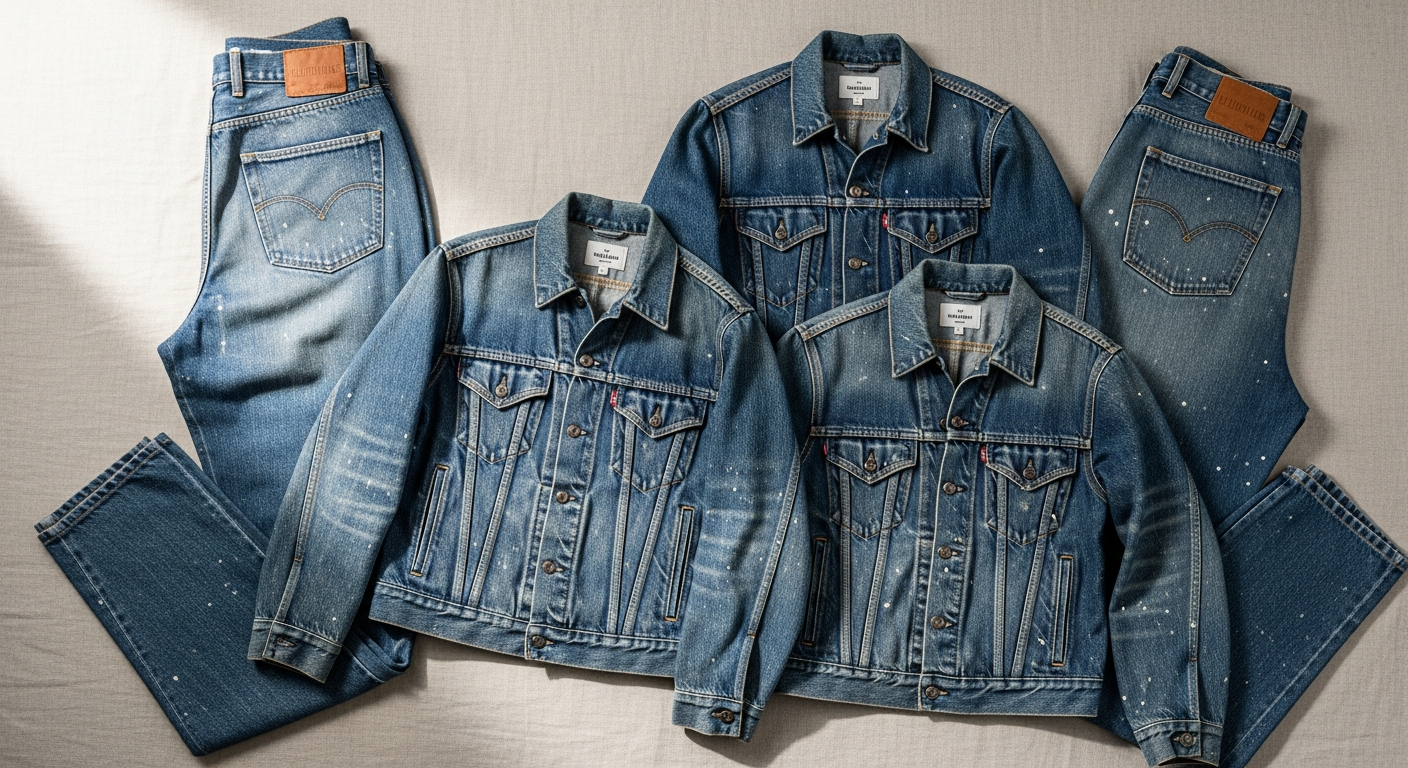
Discover why Helmut Lang OG Painter Denim Jeans command premium resale prices and how to authenticate archival pairs. Expert insights on this iconic 1998 luxury denim investment for collectors.
At the height of the late 1990s, a single product line accounted for over 50% of Helmut Lang's annual revenue—and it wasn't haute couture or avant-garde runway pieces. It was denim. These weren't ordinary jeans; they were meticulously crafted garments with hand-applied paint splattering that blurred the line between accidental and intentional artistry. Today, original pairs fetch prices exceeding $1,000 on the resale market, making them one of fashion's most coveted archival investments.
What strikes most observers about Helmut Lang's approach is how he weaponized simplicity. The OG Painter Denim, launched in Spring/Summer 1998, represents a pivotal moment when the brand transformed workwear aesthetics into luxury statements. This wasn't about logos or branding—it was about the marriage of utilitarian design and artistic expression that defined Lang's pre-Prada era.
Discover authentic Helmut Lang OG Painter Denim and start your collector's journey today.
The Artistic Vision Behind the Paint Splattering
Precision chaos as design language
The hand-applied paint splatters were executed with such exactness that observers couldn't determine if patterns were random or calculated. This ambiguity became part of the garment's genius—each pair carried a unique narrative, suggesting both deliberate artistry and spontaneous creation. The uncertainty kept wearers guessing, and that mystery translated into cultural intrigue that money couldn't buy through traditional advertising.
Elevating workwear to luxury
Lang achieved a conceptual shift that transformed painter's jeans into high-fashion statements. Workwear, typically associated with manual labor and functionality, suddenly became a canvas for artistic expression. This wasn't decoration applied to existing garments—it was a fundamental reimagining of what luxury denim could represent. By embracing the utilitarian roots of painter's jeans while executing them at the highest quality standards, Lang created something genuinely new.
The mystique factor
Ambiguity in design created cultural intrigue and word-of-mouth momentum that resonated through fashion communities. People wore these jeans as conversation pieces, as statements about their own relationship with fashion and art. The paint splattering asked viewers to consider whether they were looking at intentional design or happy accident—a question that made the wearer part of an inside conversation.
Minimalism meets artistic expression
Lang balanced clean lines with bold artistic interventions, refusing the either/or proposition that minimalism must be sterile or that artistic expression must be ornate. The silhouettes remained refined and understated, but the paint details provided emotional resonance. This combination proved more powerful than either approach alone could have been.
Differentiation through subtlety
The paint details functioned as a quiet rebellion against logo-heavy 1990s luxury branding. While other designers plastered their names across garments, Lang let the piece speak for itself. The subtlety became the status marker—those who understood fashion recognized the significance immediately, while others simply saw interesting jeans. This created a natural hierarchy among collectors and enthusiasts.
Construction Quality and Fabric Innovation
Cotton blend composition
The premium material selection contributed meaningfully to durability and longevity. Lang understood that luxury required substance, not just surface-level aesthetics. The fabric composition allowed the denim to age gracefully, developing character over time rather than simply deteriorating. Original owners report pairs that have lasted decades while maintaining structural integrity.
High-tech fabric technology
Helmut Lang incorporated advanced textile engineering into seemingly simple denim. The weaving techniques, fiber selection, and finishing processes represented cutting-edge manufacturing knowledge applied to a traditional garment. This technological approach created a distinctly refined silhouette that visually set these jeans apart from standard denim offerings.
Longevity and wear patterns
Original owners consistently report these jeans as true wardrobe staples that improve with age. The fabric develops a personal patina reflecting individual wear patterns, creating deeper character than any artificial distressing could achieve. Pieces from the original 1998 production run still perform admirably today, testament to the construction quality.
Seam construction and finishing
Meticulous attention to detail appeared in stitching and hem work throughout. Every seam was reinforced to withstand years of wear. The finishing touches—how the hem was folded, how the cuffs were constructed—showed an engineer's precision combined with an artist's sensibility. These details separated archival pieces from mass-produced alternatives.
Weight and drape characteristics
The fabric behaves distinctly differently than standard denim, creating a refined silhouette that drapes with understated elegance. The weight sits between light chambray and heavy raw denim, striking a balance that feels substantial without being oppressive. This specific hand-feel becomes unmistakable once you've experienced it, making authentication easier for experienced collectors.
Navigating the Resale Market: Pricing and Availability
Current resale price ranges
Authentic pieces command anywhere from several hundred to over $1,000 depending on condition, size, and specific colorway. Deadstock examples with original tags occupy the premium tier. Worn pairs in good condition typically range from $400-$700. Heavily distressed pieces or those with significant paint cracking sit at lower price points but still command respect in the market.
Rarity factors that drive value
Condition represents the primary value driver—original tags significantly increase desirability. Size matters considerably, as smaller and larger sizes are harder to find. Specific paint patterns influence value too; certain colorways prove more sought-after than others. Provenance documentation adds credibility and commands premium pricing from serious collectors.
Authentication challenges
Finding genuine archival pieces in good condition remains genuinely difficult. The secondary market contains reproductions and modern reissues mixed alongside originals, creating legitimate authentication concerns. Reputable dealers spend considerable time verifying pieces before sale, which explains why authenticated examples command higher prices.
Seasonal market fluctuations
Demand for vintage Helmut Lang shifts throughout the year, typically peaking in fall and spring when fashion collectors refresh their wardrobes. Summer months sometimes bring softer pricing as buyers focus on contemporary offerings. Understanding these cycles helps collectors identify opportune purchase windows.
Platform comparison
Grailed, Vestiaire Collective, and specialized vintage dealers each offer different advantages. Grailed attracts serious collectors and prices accordingly. Vestiaire Collective provides international reach but mixed authentication rigor. Specialized dealers offer expertise and guarantees but typically at premium pricing. Each platform serves different collector needs and budgets.
Condition grading impact
How wear, fading, and paint cracking affect pricing tiers creates clear market segmentation. Deadstock commands 40-50% premiums over excellent condition pieces. Minor fading and surface wear might reduce value by 15-20%. Significant paint cracking or damage can slash prices by half or more, creating entry points for collectors who prioritize wearability over collection integrity.
Explore premium examples and connect with verified sellers in the Helmut Lang collector community.
Original vs. Modern Reissues: What Changed
Post-Prada acquisition design shifts
After luxury conglomerate ownership, the brand's direction shifted noticeably. Design decisions became more corporate, less experimental. While quality remained respectable, the creative vision that defined Lang's pre-Prada era dispersed across broader strategic considerations. Contemporary collections reflect different design philosophies than the originals.
Contemporary reissue attempts
Recent collections reference the OG Painter aesthetic, but they're interpretations rather than recreations. Modern versions emphasize recognizable branding more than originals did. The paint application processes differ substantially, using contemporary production methods rather than hand-execution. These reissues appeal to newer collectors and those seeking wearable homages without premium resale pricing.
Fabric differences in modern versions
New iterations don't replicate the original's specific weight and feel. Modern denim tends toward lighter constructions reflecting contemporary preferences. The hand-feel differs noticeably—originals possess a density and structure that modern fabrics simply don't match. Extended wear reveals how substantially the fabric composition differs between eras.
Paint application methods
Modern production can't perfectly recreate hand-applied splattering techniques. Machine application creates more uniform, predictable patterns. Hand-applied work from 1998 carried genuine irregularity and variation—each pair was slightly different. Reissues attempt to capture this aesthetic, but the execution reads differently to experienced eyes.
Collector perspective on reissues
Purists prefer originals despite modern quality improvements. They argue that contemporary versions lack the creative intentionality of Lang's original vision. Reissues serve different purposes—they make the aesthetic accessible to broader audiences and provide wearable alternatives for collectors concerned about damaging valuable originals. Both have merit depending on collector priorities.
Investment value comparison
Original archival pieces appreciate predictably, with values climbing steadily over decades. Contemporary reissues hold value adequately but lack the scarcity premium driving original pricing. For collectors focused purely on financial appreciation, originals represent superior investments. For those prioritizing personal enjoyment, reissues offer better value relative to purchase price.
The Cultural Legacy and Influence on Contemporary Design
Impact on minimalist fashion movements
These jeans shaped the trajectory of luxury minimalism by proving that restraint and artistic expression weren't mutually exclusive. They demonstrated that powerful statements could emerge from simplicity rather than complexity. The influence rippled through subsequent decades, affecting how designers approached minimalist aesthetics.
Influence on contemporary designers
Modern designers reference and homage the OG Painter aesthetic regularly. The approach of combining utilitarian elements with subtle artistic details became a design language that countless brands adopted. Lang's influence appears in contemporary collections from established houses and emerging designers alike, each interpreting his foundational concept through contemporary lenses.
Streetwear-luxury fusion pioneer
Helmut Lang's role in breaking down boundaries between high fashion and everyday wear fundamentally altered how the industry conceptualized luxury. Before Lang, these categories remained largely separate. His work demonstrated that workwear could be luxury, that utility could embody artistic vision. This philosophical shift enabled subsequent streetwear movements and luxury collaborations.
Hall of fame status
Fashion historians and industry insiders recognize these jeans as among the most important denim innovations of their era. They appear in fashion school curricula discussing design innovation and market impact. Museums have acquired examples for permanent collections, cementing their status as objects worthy of institutional preservation.
Collector community growth
Vintage Helmut Lang has become a serious category for fashion investors. Online communities dedicated to the brand have grown substantially. Trading networks connect collectors across continents, and authentication discussions happen in real-time on specialized forums. The collector base includes everyone from vintage enthusiasts to investment-focused individuals.
Media and editorial resurgence
Recent features in fashion publications have driven renewed interest among younger audiences discovering the brand's historical significance. Fashion magazines periodically run retrospectives examining Lang's influence on contemporary design. This editorial attention legitimizes collecting as culturally important rather than purely financial pursuit.
Collector's Checklist: Authenticating Your Potential Purchase
Label inspection
Examining stitching, font, and placement on original tags provides crucial authentication clues. Original labels feature specific stitching patterns that reproductions struggle to replicate perfectly. Font weight and spacing changed slightly across different production seasons. The label placement on the waistband followed precise specifications that modern reproductions sometimes miss.
Paint pattern analysis
Understanding how genuine splattering differs from reproductions prevents costly mistakes. Original hand-applied work shows variation—some areas have thicker paint concentration, others lighter coverage. The patterns don't repeat, and close examination reveals the organic nature of manual application. Machine-applied patterns tend toward greater uniformity and predictability.
Fabric weight and hand feel
What authentic 1998 denim feels like compared to modern versions becomes immediately apparent through direct handling. Original fabric possesses density and structure that modern interpretations lack. The hand feel—how the fabric moves and settles against the body—differs substantially. Serious collectors develop this tactile authentication skill through repeated handling.
Hardware details
Buttons, rivets, and zipper specifications from the original production varied slightly from later versions. Original hardware carries specific markings and finishes. Zipper teeth show particular characteristics and wear patterns. These details matter more for authentication than casual observers might expect.
Wear patterns and aging
Genuine pieces show age differently than artificially distressed versions. Natural fading follows body contours and repeated stress points. Authentic patina develops gradually and unevenly. Artificially aged examples show more uniform wear, lacking the personal character that genuine aging produces.
Documentation and provenance
Importance of purchase receipts, authentication certificates, or chain of ownership can't be overstated. Documentation provides confidence in authenticity and protects resale value. Pieces with clear provenance command premium pricing from collectors who prioritize certainty. When available, original hang tags or care labels add credibility.
Size and fit inconsistencies
Original sizing varies, which tells discerning collectors important authenticity lessons. Production standards shifted slightly across different manufacturing seasons. Sizing tags from different periods show variations in labeling approach. Understanding these inconsistencies helps distinguish legitimate vintage variation from reproduction inconsistencies.
Building a Helmut Lang Denim Collection Strategy
Starting with accessible entry points
Identifying which pieces offer better value for new collectors makes the hobby more sustainable. Worn examples in good condition provide excellent starting points for collectors with limited budgets. Certain colorways or sizes prove more accessible than others. Beginning with more affordable examples allows collectors to develop expertise before committing significant capital.
Diversifying across colorways and seasons
Different paint applications and washes create considerable variety within the OG Painter line. Original production included classic indigo versions alongside lighter washes. Paint colors ranged from subtle earth tones to more vibrant hues. Building a diverse collection captures the range of Lang's artistic vision across multiple seasons.
Condition versus investment potential
Balancing wearability with long-term value appreciation creates a personal decision matrix. Collectors who plan to wear pieces prioritize condition and comfort. Those focused on investment potential prioritize rarity and authentication documentation. Hybrid approaches—maintaining pieces in wearable condition while seeking out rare examples—satisfy both impulses.
Storage and preservation best practices
Protecting your investment from fading and deterioration requires intentional approaches. Acid-free storage materials prevent chemical degradation. Controlled light exposure slows natural fading of paint and fabric. Proper folding rather than hanging prevents stress on seams and waistbands. Climate control protects against moisture damage and mold growth.
Networking with fellow collectors
Communities and resources for serious Helmut Lang enthusiasts facilitate knowledge sharing and authentication discussions. Online forums connect collectors separated by geography. Local vintage communities sometimes organize meetups where collectors examine pieces in person. These networks provide invaluable support as collections grow more sophisticated.
Tracking market trends
How to monitor resale prices and identify undervalued pieces requires systematic attention. Tracking historical sales across multiple platforms reveals pricing patterns. Setting price alerts for specific pieces helps collectors capture opportunities. Understanding which colorways or sizes command premiums informs strategic purchasing decisions.
Setting realistic budget parameters
Understanding what different price points get you in today's market prevents overspending and buyer's remorse. Deadstock examples command premium pricing but offer certainty and minimal wear. Mid-range pieces provide good balance between condition and accessibility. Entry-level examples allow exploration before significant investment.
The Resale Investment Case: Should You Buy?
Historical price appreciation
Tracking how values have climbed since the original 1998 launch reveals consistent appreciation trajectories. Pieces that cost $150-300 at retail now command $400-1,200 depending on condition. This represents compound annual appreciation that rivals or exceeds traditional investment returns. The scarcity driving these increases shows no signs of diminishing.
Scarcity as value driver
Limited production runs and discontinued status create artificial scarcity that maintains pricing power. Contemporary reissues don't diminish original values because collectors clearly distinguish between eras. As time passes, production runs from 1998-2000 become increasingly scarce. This natural scarcity suggests prices will continue climbing.
Emotional versus financial returns
Balancing personal enjoyment with investment potential allows collectors to pursue both simultaneously. Pieces that bring genuine pleasure while appreciating financially offer optimal returns. The satisfaction of wearing a historically significant garment adds non-financial value that pure financial investments can't match. This dual benefit makes collecting emotionally fulfilling.
Market volatility considerations
Luxury vintage markets fluctuate differently than traditional investments, sometimes dramatically. Fashion trends shift, affecting demand for specific pieces. Market corrections occasionally occur when speculative buying exceeds sustainable demand. However, historically important pieces like the OG Painter Denim show remarkable price stability across market cycles.
Liquidity factors
How quickly you can actually sell if needed affects investment viability. Authenticated pieces on major platforms typically sell within weeks to months. Demand from serious collectors ensures a buyer base exists. Selling authenticated pieces through established dealers provides immediate liquidity, though at slightly reduced margins compared to private sales.
Alternative luxury investments
Comparing Helmut Lang denim to other archival fashion pieces reveals competitive positioning. Vintage Chanel bags command stronger appreciation but face greater market saturation. Rare sneaker releases show higher volatility. Compared to luxury watches or fine art, fashion offers better accessibility for emerging collectors. Among fashion alternatives, Helmut Lang represents solid middle ground between accessibility and appreciation potential.
Looking Forward: The Future of Helmut Lang's Denim Legacy
Brand reissue announcements
Tracking official releases that nod to heritage collections provides insights into brand direction. Recent reissues suggest institutional recognition of the OG Painter line's significance. Future anniversaries or retrospectives will likely inspire additional commemorative collections. These reissues validate collecting's cultural importance while preserving original pieces' scarcity premiums.
Emerging collector demographics
Younger fashion enthusiasts discovering archival pieces represent the future collector base. Gen Z engagement with vintage and sustainable fashion creates new demand dynamics. As younger collectors enter the market with significant purchasing power, demand for historically significant pieces should increase. This demographic shift bodes well for continued appreciation.
Sustainability conversations
Vintage ownership aligns with conscious consumption movements gaining cultural prominence. Investing in archival pieces rather than fast fashion creates less environmental impact. This ethical positioning attracts collectors motivated by sustainability alongside aesthetic and financial considerations. The confluence of these values strengthens the collector community's legitimacy.
Museum and institutional recognition
Archival pieces entering fashion institution collections validates them as culturally important artifacts. Major museums acquiring examples ensures preservation for future generations. This institutional recognition elevates collecting from hobbyist pursuit to cultural stewardship. As more institutions recognize these pieces' significance, demand from serious collectors should accelerate.
Price trajectory predictions
Expert perspectives on future resale market movement generally project continued appreciation. Scarcity should drive values higher as original pieces move into institutional collections and private hoards. Assuming no major market disruptions, pieces in excellent condition should appreciate 5-8% annually. Rare colorways or sizes may appreciate faster as collector competition intensifies.
Preservation of design history
These pieces matter beyond personal wardrobe value as tangible records of important design innovation. They represent a moment when fashion fundamentally shifted toward minimalism and artistic subtlety. Preserving examples ensures future designers and historians can study Lang's intentions directly. Collectors function as custodians of design history.
The Collector's Perspective
The Helmut Lang OG Painter Denim Jeans represent far more than a transaction—they're tangible pieces of fashion history that fundamentally altered how luxury brands approach minimalism and artistic expression. The trajectory from overlooked vintage finds to seriously pursued collector items tells a compelling story about how design innovation eventually gets recognized and valued.
Whether drawn to the artistic paint splattering, the impeccable construction quality, or the cultural significance of owning a piece from Lang's most commercially successful era, these jeans deliver on multiple levels. The resale market has matured considerably, making authentication and pricing more transparent than previous years. Entry-level examples have become more accessible to collectors just starting their Helmut Lang journey, though premium pieces still command substantial investment.
Approaching a purchase with the same diligence applied to any serious investment ensures success. Verify authenticity through detailed inspection, understand condition grades and their pricing implications, and connect with the collector community who can guide decisions toward fair market value. This systematic approach prevents costly mistakes and builds confidence in purchasing decisions.
The OG Painter Denim won't depreciate into obscurity. As original pieces become scarcer and the brand's pre-Prada era gains more institutional recognition, these jeans will likely continue commanding premium prices. The combination of artistic merit, construction quality, cultural significance, and genuine scarcity creates compelling fundamentals for continued appreciation.