
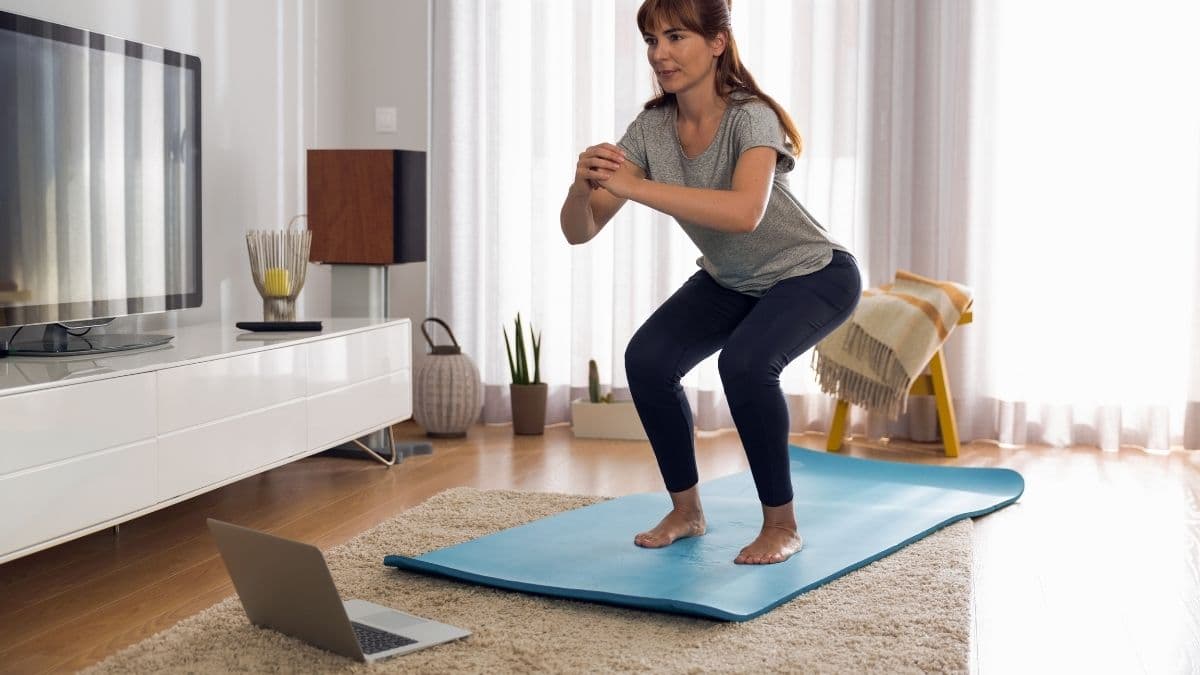
Struggling to decide between home workouts and gym sessions? Explore the key advantages of working out at home vs going to the gym, with expert insights to help you choose what fits your fitness goals and lifestyle.
The debate between home workouts and gym training continues, but the decision is no longer about which option is “better.” It’s about which environment supports consistency, motivation, and long-term results.
With improved home equipment, digital coaching, and flexible training models, many people now build routines that fit real life rather than forcing fitness into rigid schedules.
Understanding the strengths of both home and gym workouts makes it easier to choose an approach that actually lasts.
Convenience: When Time Is Limited
Home workouts remove many of the barriers that interrupt consistency.
There is no commute, no waiting for equipment, and no dependency on opening hours. Eliminating travel alone can save over 40 minutes per session, making it easier to fit workouts into busy schedules.
Home training also allows complete flexibility. Short sessions, early mornings, or late evenings are all possible without external constraints. Weather and childcare logistics no longer dictate whether a workout happens.
Cost Comparison: Memberships vs Equipment
Gym memberships often appear affordable at first, but the long-term costs add up.
Monthly fees are frequently paired with initiation charges, annual maintenance fees, class upgrades, locker rentals, and parking expenses. Over time, these extras significantly increase the total investment.
Home workouts require upfront spending, but the costs are more predictable. A well-chosen setup can support years of training without recurring fees. Brands like JTX Fitness, for example, focus on durable, space-efficient equipment designed specifically for home use, reducing the need for frequent replacements or upgrades.
Privacy and Comfort
Privacy is one of the most practical advantages of home workouts.
Training at home removes the pressure of comparison and self-consciousness. This is especially helpful for beginners or anyone returning to fitness after a long break.
Without distractions or perceived judgment, many people focus more on form and effort. That mental clarity often leads to better sessions and stronger habit formation.
Equipment: What You Actually Need
Effective workouts do not require a fully equipped commercial gym.
A small selection of versatile tools can deliver most strength and conditioning benefits. Adjustable dumbbells, resistance bands, cardio machines, and a stable platform allow for full-body training in limited space.
Home-focused manufacturers design equipment to balance performance and footprint, making it easier to train effectively without dedicating an entire room to fitness.
Motivation and Accountability
Motivation works differently in each environment.
Gyms provide built-in accountability through scheduled classes, trainers, and social presence. This structure can help during periods of low motivation.
Home workouts rely more on routine and planning. Calendar scheduling, progress tracking, and digital coaching platforms help replace external pressure with consistent habits.
Professional Guidance and Safety
Access to expert guidance is no longer exclusive to gyms.
Online platforms now offer structured programs, clear demonstrations, and personalized training plans. Many home exercisers combine these tools with occasional in-person coaching to refine technique and adjust programming.
Gyms still offer immediate feedback through trainers, which can be valuable for complex lifts or rehabilitation-focused training.
Customization and Control
Home workouts offer complete environmental control.
Temperature, lighting, music, and layout can all be adjusted to personal preference. Equipment selection can be tailored to body mechanics, joint limitations, and specific goals.
Gyms naturally provide variety, but home routines can achieve the same effect through planned progression and periodic program changes.
Social Energy vs Focus
Gym environments create social motivation and community. Seeing others train can boost effort and reinforce accountability.
Home workouts trade that energy for focus. Without waiting for machines or navigating distractions, sessions are often more efficient and mentally engaging.
Virtual communities now offer a middle ground, combining accountability with flexibility.
Lifestyle Fit and Adaptability
Home workouts integrate more easily into daily life.
They require less space, adapt quickly to schedule changes, and remain consistent during relocations or routine disruptions. This adaptability makes them easier to maintain long term.
Gym routines can be effective, but they often require adjustment when life circumstances shift.
The Hybrid Approach: A Practical Middle Ground
For many people, the most effective strategy combines both options.
Home workouts support consistency and convenience, while gym sessions provide access to specialized equipment or group training. Some people invest in reliable home machines for regular use and supplement them with occasional gym visits.
This flexible approach allows workouts to align with energy levels, goals, and time availability.
Final Thoughts
The real question is not whether home workouts or gym training is better. It is which environment supports consistency, enjoyment, and sustainability for you.
Fitness success comes from routines that fit real life. Understanding when each option serves you best is what turns effort into long-term results.