
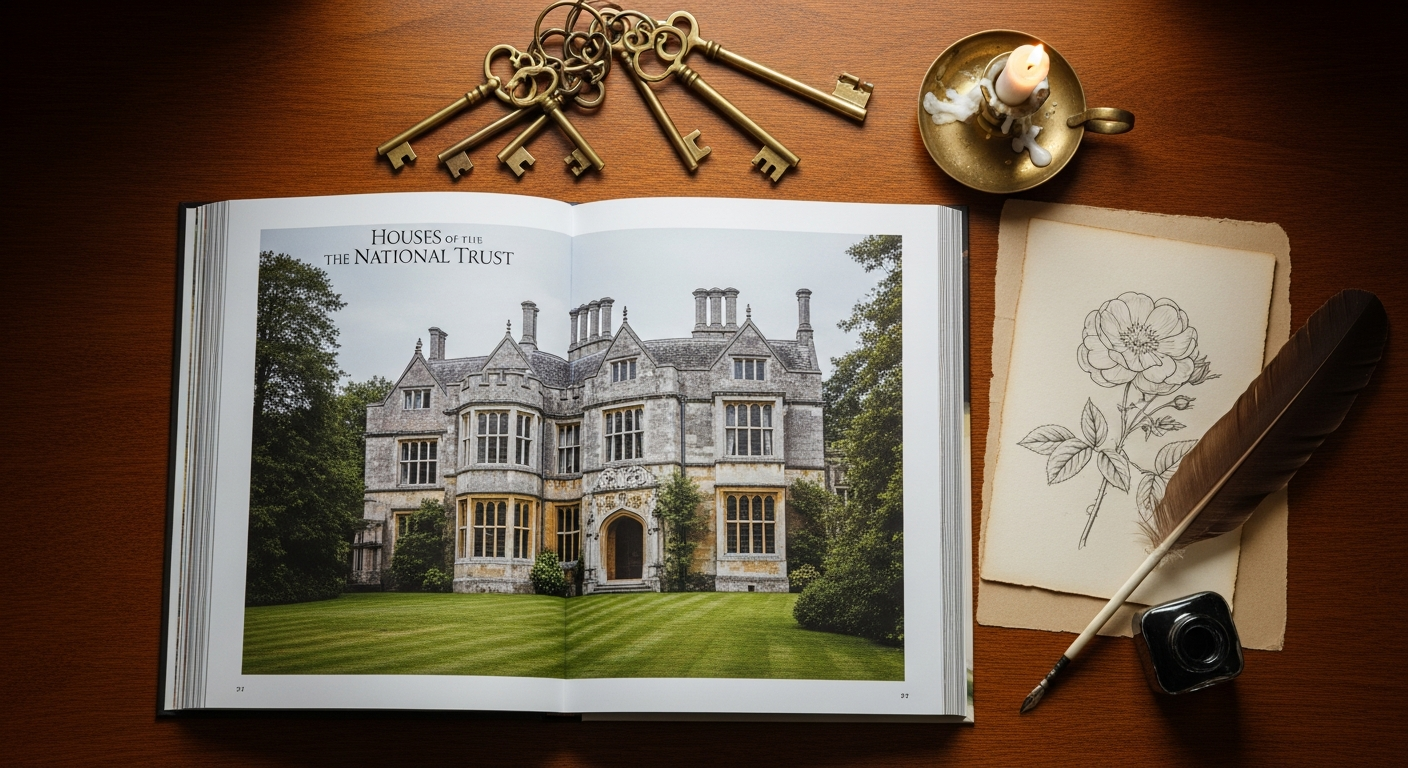
Discover the Houses of the National Trust book—a stunning 448-page guide to Britain’s heritage properties. Explore architectural history, stunning photography, and the stories behind iconic estates. Perfect for history lovers and National Trust members.
Over five million people visit National Trust properties annually, yet most never pause to consider how deeply interconnected Britain's architectural heritage truly is. These scattered monuments—from windswept castles to intimate village cottages—tell a unified story spanning centuries, yet that narrative remains fragmented across countless guidebooks and websites. The Houses of the National Trust book changes that entirely, serving as a remarkable bridge between these buildings and the people who shaped them.
The comprehensive hardback captures the essence of what makes these properties significant, from grand Jacobean mansions to humble workers' cottages, all presented through stunning photography and evocative storytelling. This guide reveals connections between properties separated by geography but united by architectural tradition, cultural impact, and historical consequence. Whether you're drawn to stately homes, industrial heritage, or the lives of extraordinary individuals, this 448-page volume offers a gateway into Britain's built heritage.
The Complete Architectural Timeline Captured in One Volume
The book's scope stretches across five centuries of British architectural evolution, from medieval strongholds rising defiantly across the landscape to contemporary modernist structures that challenged traditional aesthetics. Rather than treating each period in isolation, the narrative reveals how successive generations reimagined, adapted, and expanded their homes in response to changing circumstances, technologies, and tastes.
Medieval Fortifications to Elizabethan Grandeur
Medieval castles and fortified manor houses established the foundation of British domestic architecture. These structures prioritized defense and authority, their thick walls and imposing towers reflecting the turbulent times in which they were built. As conflict subsided and wealth accumulated, Elizabethan and Jacobean architects began to soften these fortress-like designs, introducing larger windows, decorative stonework, and symmetrical facades that showcased prosperity rather than merely announcing power.
Georgian Elegance and Victorian Ambition
The Georgian period brought unprecedented refinement to British interiors and exteriors alike. Proportional rules derived from classical antiquity guided architects in creating balanced, harmonious structures where every element served aesthetic as well as functional purposes. The Victorians, by contrast, embraced eclecticism and ornamentation, drawing inspiration from Gothic revival, Italianate villas, and exotic influences from the expanding British Empire. This era saw houses grow larger, more elaborate, and more varied in their stylistic references.
Twentieth-Century Innovation and Preservation
The twentieth century introduced modernist principles that rejected ornament in favor of clean lines, honest materials, and functional design. Simultaneously, a conservation movement emerged that recognized the value of preserving older structures. The National Trust itself was founded partly in response to the perceived loss of Britain's architectural heritage during rapid industrialization and urbanization.
Beyond Grand Estates—The Diversity of Properties Featured
The book resists the temptation to focus exclusively on palatial residences and celebrated mansions. Instead, it presents a genuinely inclusive survey of National Trust properties that reflects the complexity of British society across different periods and economic classes.
Stately Homes and Spectacular Mansions
Petworth House stands as a masterpiece of English Baroque architecture, its art collection and lavishly decorated state rooms representing the pinnacle of aristocratic wealth and taste. Waddesdon Manor, the Rothschild family's château-style creation, showcases the ambitions of nineteenth-century industrialists and collectors who sought to rival the grand houses of Europe. These properties anchor the book's exploration of how the wealthy expressed their status, cultivated their collections, and influenced architectural fashion.
Workers' Housing and Industrial Heritage
The Birmingham Back to Backs offer a starkly different perspective—terraced houses built for factory workers, their small rooms and shared courtyards reflecting the crowded conditions of industrial cities. Yet these modest dwellings tell equally compelling stories about how ordinary people lived, worked, and created communities within tight spatial and economic constraints. The National Trust's decision to preserve and interpret these properties acknowledges that heritage encompasses all social classes.
Religious and Functional Structures
Churches and chapels receive thoughtful attention throughout the book, their architectural ambitions revealing theological priorities and artistic patronage across centuries. The guide also explores windmills, dovecotes, barns, and historic pubs—functional structures that nevertheless display craftsmanship and regional character worth celebrating.
The Human Stories Behind Historic Walls
Buildings are ultimately expressions of human ambition, taste, and circumstance. The Houses of the National Trust book recognizes this fundamental truth by weaving biographical narratives throughout its architectural descriptions.
Collectors and Connoisseurs
Wealthy collectors shaped their homes according to passionate intellectual and aesthetic pursuits. Their acquisitions—paintings, sculptures, furniture, manuscripts—became integral to understanding not just individual properties but entire movements in European culture. The book reveals how private taste, when amplified by considerable wealth, influenced architectural fashion and cultural values.
Captains of Industry
Industrial magnates translated commercial success into architectural statements. Their houses often embodied progressive ideas about design, comfort, and technological innovation. The engineering expertise that built factories and foundries also informed the construction and decoration of their homes, creating structures that merged industrial-age aesthetics with domestic ambitions.
Political Figures and Prime Ministers
Several National Trust properties served as residences for prime ministers and other political figures whose decisions shaped the nation. Understanding these homes provides insight into the private contexts where public figures developed their perspectives, made critical decisions, and conducted the business of government. The architecture itself sometimes reflected political ideology—from conservative adherence to traditional forms to progressive embracing of contemporary design.
Visual Excellence and Photography Quality
The book's power derives substantially from its commitment to photographic quality. Access to the National Trust's extensive photographic archive—accumulated over more than a century of preservation work—means the guide features images that capture these properties in their finest light.
High-Resolution Color Photography
Each of the 448 pages incorporates full-color, high-resolution imagery that reveals architectural detail, interior decoration, and the relationships between buildings and their settings. These photographs transform the reading experience from educational to genuinely immersive, allowing readers to appreciate the craftmanship and design choices that define each property.
Architectural Detail and Craftsmanship
Close-up photography highlights decorative plasterwork, timber framing, stonework, and other elements that might escape notice during a rushed property visit. This visual focus on craftsmanship deepens appreciation for the skills and artistry involved in creating these structures.
Who Benefits Most From This Book
Different readers will find different value in this comprehensive guide, though several audiences stand out particularly.
National Trust Members
Members visiting properties throughout the year will deepen their appreciation through prior reading and use the book as a reference during visits. Understanding a property's architectural significance, historical context, and place within larger cultural narratives enriches the actual experience substantially.
Architecture and Design Students
Students of architecture, interior design, and related disciplines will find this book an invaluable reference work. The combination of historical narrative, visual documentation, and diverse examples provides comprehensive material for understanding the evolution of British domestic architecture.
History Enthusiasts and Researchers
Those studying British history will appreciate how architecture illuminates broader historical patterns—economic conditions, technological innovation, social structures, and cultural values all manifest in how people designed and inhabited their homes.
Making the Most of Your Copy
Purchasing the book represents only the beginning of its usefulness. Strategic approaches to engaging with the material can maximize its value.
Pre-Visit Planning
Reading about specific properties before visiting allows for more focused observation. Understanding the historical context and architectural significance means you'll notice details that might otherwise pass unobserved.
Regional Exploration
The book facilitates regional exploration by showcasing what properties exist within particular areas. This enables readers to plan itineraries that connect multiple sites, creating richer narratives about how architecture varied across different regions of Britain.
Ongoing Reference
Unlike guidebooks read once and forgotten, this volume rewards repeated consultation. Returning to chapters about properties you've visited deepens understanding; reading about properties you haven't yet seen generates anticipation for future visits.
Bringing Britain's Heritage Into Your Home
The Houses of the National Trust book transcends the typical coffee table publication—it functions as a genuine gateway to understanding the architectural soul of Britain. Whether you're planning heritage property visits, deepening knowledge of British history, or seeking a beautifully crafted reference work, this 448-page volume delivers substantively across multiple dimensions. The 2021 edition now incorporates updated information and newly featured properties, ensuring its continued relevance for contemporary readers.
Your investment directly supports the National Trust's vital conservation work, meaning acquisition of this book represents more than personal enrichment—it contributes to the preservation of these irreplaceable structures for future generations. Bring Britain's architectural heritage into your home with Houses of the National Trust.