
Want your next furniture purchase to do more than furnish a room? Hulala Home’s Plant a Tree program plants a mangrove in Madagascar for every order, designed to turn shopping into measurable climate and coastal impact.
Sustainability claims can feel vague. Hulala Home’s “Plant a Tree” initiative is built around a clear promise: each order placed on their website triggers the planting of one mangrove tree in Madagascar. No extra steps. No add-on donation prompts.
That turns a normal furniture purchase into a direct link to restoration work in a high-need coastal region.
The Hulala Home Plant a Tree Initiative Explained
The initiative is presented as automatic. You shop as usual, and the planting happens behind the scenes through a partner network.
Hulala Home states the program is carried out with Eden Reforestation Projects (also known as Eden: People+Planet). Eden is widely recognized for large-scale, community-based tree planting that combines restoration with local employment.
Hulala Home also mentions thegoodapi.com as part of the system that connects e-commerce orders to verified planting activity. In simple terms, it acts as the digital bridge between a customer’s transaction and on-the-ground planting operations.
Why Mangroves Matter
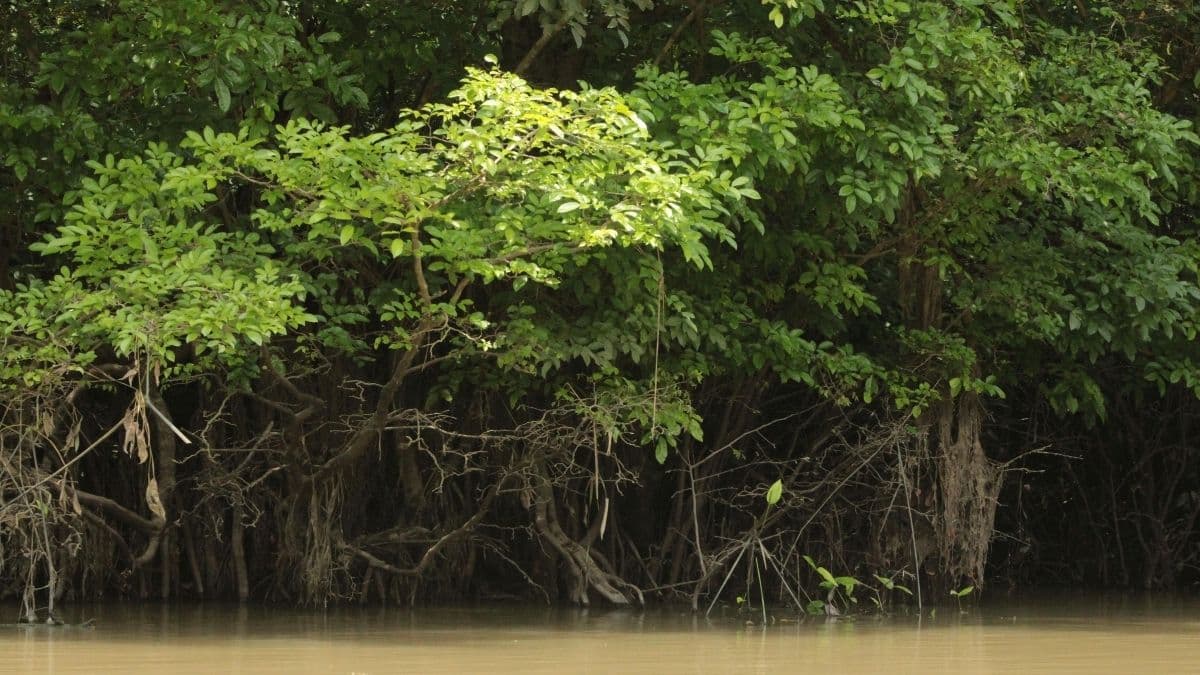
Mangroves are not a random choice. They are one of the most effective coastal ecosystems for long-term carbon storage because a large portion of their carbon is held belowground, in waterlogged soils.
They also provide practical coastal protection:
- Shoreline stability: Mangrove roots help reduce erosion and protect vulnerable coastlines.
- Storm buffering: Dense mangrove stands can reduce the force of storm surge and waves.
- Biodiversity support: Mangroves function as nurseries for many fish and marine species.
You’ll often see the claim that mangroves can store or capture far more carbon than many tropical forests. The exact multiple varies by study and location, but the main point holds: mangroves are considered a high-impact ecosystem for climate and coastal resilience.
Why Madagascar
Madagascar is known for exceptional biodiversity and significant ecosystem loss. Mangrove restoration there can support coastal protection and local fisheries while rebuilding habitat along degraded shorelines.
This is why the “where” matters. Planting in a region with urgent ecological needs can create more meaningful outcomes than planting in areas that are already stable.
The Community Impact
Reforestation succeeds when people have reasons to protect what’s planted. Eden’s model is commonly described as employing local community members to collect seeds, run nurseries, plant seedlings, and maintain growing sites.
That approach matters because it supports long-term stewardship. It also means the project can contribute to livelihoods in areas where stable work can be limited.
What to Look For in Transparency
If you care about accountability, focus on concrete proof instead of broad eco-language. Useful signals include:
- Clear claims like “one order = one tree”
- Partner details (who plants, where planting happens, how often updates are shared)
- Evidence of progress (certificates, reports, or verified updates)
- Mentions of survival monitoring, not just planting counts
Hulala Home frames its program as measurable and tied directly to purchases, which is easier to evaluate than vague “offset” messaging.
Making a Purchase Feel More Meaningful
Furniture is a long-term decision. Hulala Home adds another layer to that decision by connecting each order to mangrove planting in Madagascar.
If you already plan to buy a new piece, programs like this can make that purchase feel less like consumption and more like participation in restoration—one order, one tree, building impact over time.