
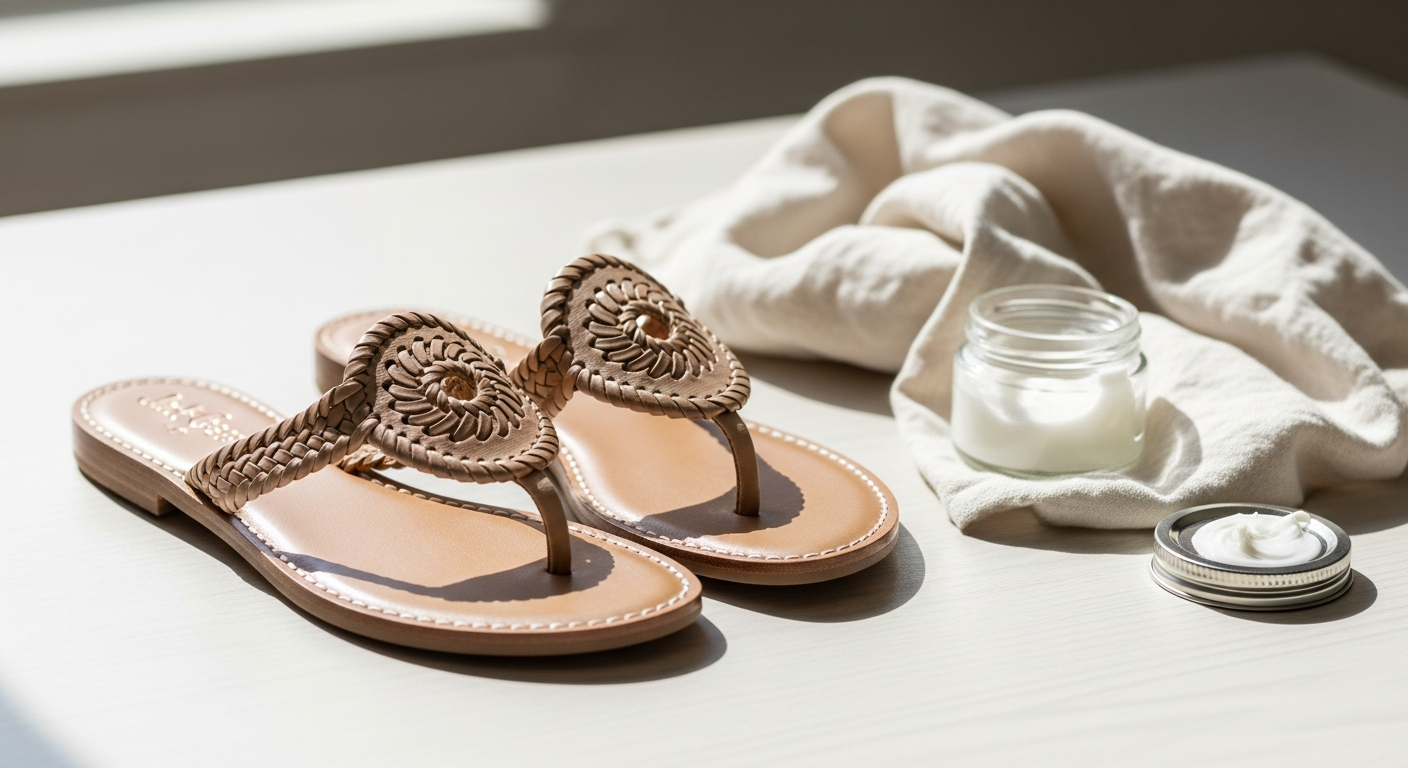
Discover how to break in your Jack Rogers Classic Navajo Sandals properly. Learn comfort tips, styling tricks, and what to expect during the adjustment period to make your iconic sandals feel amazing fast.
If you’ve just purchased a pair of Jack Rogers sandals, congratulations! Known for their timeless design, handcrafted details, and versatile style, Jack Rogers shoes are a wardrobe staple.
Like many premium leather sandals, however, they often require a short break-in period before they reach their full comfort potential.
This Jack Rogers break-in guide will walk you through safe, effective methods to soften your sandals, prevent blisters, and ensure a comfortable fit for years to come.
Why Do Jack Rogers Sandals Need Breaking In?
Jack Rogers sandals are made with high-quality leather that naturally molds to the shape of your feet over time. While this creates a custom fit, the leather can initially feel firm or stiff.
Common issues during the first few wears include:
- Tight leather straps
- Minor rubbing around the toes or heel
- Slight stiffness in the footbed
- Pressure points across the top of the foot
Fortunately, these issues usually disappear after a proper break-in period.
How Long Does It Take to Break In Jack Rogers Sandals?
Most people find that Jack Rogers sandals become noticeably more comfortable after 5–10 wears. The exact timeline depends on factors such as:
- Leather thickness
- Frequency of wear
- Climate and humidity
- Individual foot shape
Consistent, gradual wear is the safest way to achieve a comfortable fit.
Step-by-Step Jack Rogers Break-In Guide
1. Wear Them Around the House
Start by wearing your sandals indoors for 30–60 minutes at a time.
This allows the leather to begin molding to your feet without exposing you to long walks or extended standing.
Gradually increase the amount of time you wear them each day.
2. Use Thick Socks (When Practical)
Although sandals aren’t typically worn with socks, wearing a pair of thick socks indoors while breaking them in can gently stretch the leather straps.
This technique helps reduce tightness without damaging the sandals.
3. Apply a Leather Conditioner
A quality leather conditioner can help soften the straps and maintain the leather’s flexibility.
To use:
- Apply a small amount with a soft cloth.
- Allow the conditioner to absorb completely.
- Buff away any excess.
- Let the sandals dry before wearing.
Always test the conditioner on a hidden area first to ensure it doesn’t alter the leather’s color.
4. Protect Your Feet
Prevent blisters during the break-in period by applying:
- Blister prevention balm
- Moleskin padding
- Silicone toe protectors
- Bandages on sensitive areas
Taking preventative measures can make the process much more comfortable.
5. Avoid Wearing Them All Day Initially
Resist the temptation to wear your new sandals on vacations, shopping trips, or full-day outings immediately.
Instead, increase your wear time gradually over several days.
6. Allow the Leather to Adapt Naturally
Leather naturally stretches with body heat and movement.
Avoid forcing the process with excessive moisture or aggressive stretching techniques that may damage the sandals.
Patience produces the best long-term results.
Tips for Preventing Blisters
Breaking in new leather sandals doesn’t have to be painful. Follow these simple tips:
- Keep your feet dry.
- Wear the sandals for short periods initially.
- Use blister-prevention products before discomfort begins.
- Stop wearing them if you notice significant rubbing.
- Alternate with another pair of shoes during the first week.
What Not to Do
Some popular break-in “hacks” can permanently damage leather footwear.
Avoid:
- Soaking the sandals in water
- Using excessive heat from a hair dryer
- Freezing the sandals with water bags inside
- Applying oils not intended for leather
- Overstretching the straps
These methods may weaken the leather or affect the sandal’s shape and finish.
Caring for Your Jack Rogers Sandals
Proper care extends the life of your sandals long after they’re broken in.
Clean Regularly
Use a soft, slightly damp cloth to remove dirt and dust after wearing.
Condition Occasionally
Condition the leather every few months to maintain softness and prevent drying or cracking.
Store Properly
Keep your sandals in a cool, dry location away from direct sunlight. Shoe bags or boxes help protect them from dust and scratches.
Avoid Excessive Water Exposure
Although occasional moisture won’t necessarily ruin leather, repeated soaking can shorten the lifespan of your sandals.
Frequently Asked Questions
Are Jack Rogers sandals supposed to feel tight at first?
Yes. It’s common for the leather straps to feel slightly snug when new. The leather gradually softens and conforms to your feet with regular wear.
Can I stretch Jack Rogers sandals?
Minor stretching occurs naturally as you wear them. If they remain uncomfortably tight after several wears, a professional cobbler can safely stretch the leather.
How do I stop the straps from rubbing?
Wear the sandals for shorter periods, use blister-prevention products, and allow the leather time to soften naturally.
Do all Jack Rogers sandals require breaking in?
Most leather styles benefit from a short break-in period. Sandals made with softer leather may feel comfortable sooner than those with firmer construction.
Start Enjoying Your Jack Rogers Sandals with Confidence
A little patience goes a long way when breaking in Jack Rogers sandals.
By wearing them gradually, conditioning the leather, and protecting your feet during the first few outings, you’ll enjoy a personalized fit that’s both comfortable and long-lasting.
Following this Jack Rogers break-in guide helps you avoid unnecessary discomfort while preserving the quality and appearance of your sandals for seasons to come.