
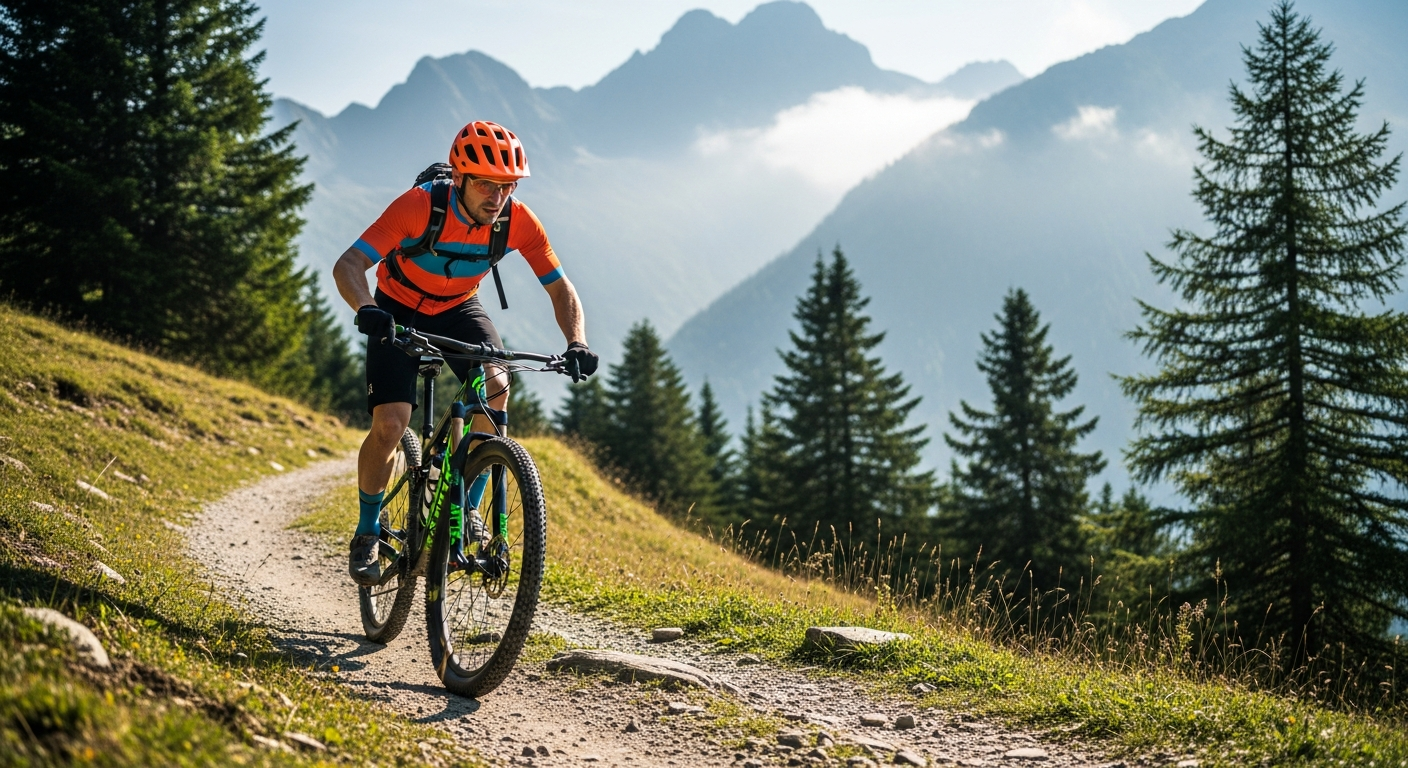
Discover whether the KS Cycling Morzine 29er hardtail mountain bike delivers real value for beginners. We break down its 29-inch wheels, Shimano components, and durability to help you decide.
Over 60% of new mountain bikers abandon their hobby within the first year—and a poorly chosen first bike is often the culprit. The KS Cycling Morzine 29er has emerged as a bestseller on European platforms like Galaxus, attracting ambitious beginners with its promise of affordability without sacrificing essential features. This aluminum hardtail sits in a sweet spot: priced between €274.95 and €428.95, it undercuts premium brands while incorporating Shimano drivetrain components and mechanical disc brakes.
But popularity doesn’t always equal reliability. The real question isn’t whether the Morzine sells well—it’s whether it survives your first season of regular riding. Some customers have praised its design and capability, while others describe it as a “complete disappointment” after just weeks of use. That stark contrast demands serious investigation before you commit your money.
Explore the KS Cycling Morzine 29er and its full specifications today.
Understanding 29-Inch Wheels: The Game-Changer for Trail Performance
The 29-inch wheel has fundamentally reshaped modern mountain biking, and the Morzine’s adoption of this standard immediately signals its contemporary design philosophy. For beginners, this wheel size delivers tangible advantages that directly impact your early riding experience.
Rolling Momentum and Obstacle Clearance
Larger wheels maintain momentum more effectively than their smaller counterparts. When you’re rolling toward a root or rock, a 29-inch wheel climbs over it with less aggressive rider input. The physics works in your favor: more wheel diameter means a shallower angle of approach to obstacles, allowing your momentum to carry you through technical sections that would stop a smaller-wheeled bike dead. On unfamiliar trails, this quality builds confidence quickly because the bike does some of the problem-solving for you.
Traction Advantages
The contact patch—the rubber actually touching the ground—increases substantially with a 29-inch wheel. Loose soil, mud, and rocky terrain all benefit from this expanded grip zone. You’ll notice the difference immediately when climbing muddy hillsides or navigating scree fields where smaller wheels would slip and lose traction. This isn’t just comfort; it’s capability that compensates for beginner technique limitations.
Climbing Efficiency
Here’s where 29ers reveal their trade-off: they accelerate less snappily than 26-inch models. The larger mass and rotational inertia require more force to get rolling. However, on sustained climbs—the kind that define mountain biking—29ers maintain momentum beautifully. Once moving, they perpetuate forward drive more consistently, making long uphill slogs less demoralizing for new riders still building leg strength.
Bottom Bracket Height Benefits
The Morzine’s 29-inch wheels raise the bottom bracket (where the pedals attach) higher above the ground. On technical descents and rocky terrain, this translates directly to chainring clearance. You won’t be scraping your front chainring on boulders or getting hung up on terrain features. For beginners still learning line selection, this margin of safety prevents those gut-wrenching moments when your bike suddenly stops mid-descent because a chain ring caught something.
Comparison to 26-Inch Models
Modern trail design has almost entirely shifted toward 29-inch standards, and for good reason. The performance gaps are real and measurable. Smaller wheels excel in tight, technical terrain that demands rapid direction changes—terrain that experienced riders seek out. Beginners benefit from the rolling efficiency and confidence that 29ers provide. Choosing the Morzine means you’re getting wheels that align with contemporary trail design, not legacy equipment.
Rider Confidence Factor
Psychologically, 29-inch wheels create a sense of security for nervous beginners. They look substantial. They roll with authority. That perception often becomes reality: you attempt technical sections because the bike seems capable, and frequently, it is. For someone questioning whether they actually enjoy mountain biking, that confidence boost matters tremendously.
Hardtail Design: Direct Power Transfer vs. Full Suspension Comfort
The Morzine’s rigid rear end—the defining characteristic of a hardtail—creates a fundamental riding experience that differs dramatically from full-suspension bikes. Understanding this choice clarifies whether the Morzine suits your riding ambitions.
What Makes a Hardtail Different
A hardtail has no rear shock absorber. Your rear wheel connects directly to the frame with a solid, non-moving connection. Every impact travels through the frame to your body. This seems primitive until you consider the advantages.
Power Efficiency for Beginners
Without a shock compressing and rebounding, every pedal stroke translates directly into forward momentum. There’s no energy loss to suspension movement. For beginners learning to pace themselves on climbs, this direct feedback proves invaluable. You feel exactly how hard the terrain is, and your body learns to adapt accordingly. That’s skill development happening in real time.
Lower Maintenance Requirements
Suspension forks and rear shocks contain hydraulic fluid, seals, bushings, and valves—all components that degrade with use and require expert service. A hardtail frame has no moving parts in the rear. Maintenance focuses on the drivetrain, brakes, and the front fork alone. For someone still learning bike mechanics, this simplicity is genuinely welcome.
Cost Savings at Purchase
Full-suspension bikes comparable to the Morzine cost €100–300 more. That savings remains significant for budget-conscious beginners. You’re not paying for rear-suspension engineering you might not need yet.
Skill Development Advantage
Hardtails demand better line choice and body positioning. You can’t rely on a rear shock to absorb poor technique. This forces skill development that actually transfers to better riding on any bike type. Riders who learn on hardtails often progress faster because they’re forced to engage actively with terrain.
Limitations on Technical Terrain
The trade-off reveals itself on demanding technical sections. Steep, rocky descents where you need to absorb impacts while maintaining control become more arm-fatiguing on a hardtail. Full-suspension bikes provide comfort that, over a 3-hour ride, prevents arm pump and wrist strain. For beginners sticking to moderate trails, this limitation rarely surfaces. Advanced technical riding eventually highlights what you’re missing.
Check current availability and pricing for the Morzine on KS Cycling’s site.
Shimano Components and Mechanical Disc Brakes: Reliability at This Price Point
The component selection separates genuinely capable budget bikes from those cutting corners dangerously. The Morzine’s reliance on Shimano equipment and mechanical disc brakes reveals a manufacturer understanding what beginners actually need.
Shimano Drivetrain Quality
Shimano has dominated the cycling component market for decades because consistency matters more than cutting-edge innovation at entry-level. Their drivetrains shift predictably, handle cross-chaining without drama, and tolerate neglect better than lesser brands. For a beginner who might not perform perfect maintenance, this reliability proves invaluable.
21-Speed Versatility
The Morzine’s 21-speed drivetrain (three chainrings up front, seven sprockets in back) covers an impressive gear range. That means adequate climbing gears for steep terrain, efficient pedaling on flats, and secure high-speed descending. You won’t outgrow this drivetrain quickly because it genuinely serves diverse terrain types. Some budget bikes sacrifice gear range to reduce cost; the Morzine resists this temptation.
Mechanical Disc Brake Fundamentals
Mechanical disc brakes use cable actuation rather than hydraulic pressure. They’re simpler, easier to adjust, and require less specialized equipment to service. Yes, hydraulic brakes offer superior modulation and power—but you won’t miss that on beginner-paced terrain. Mechanical brakes are honest: they work when maintained and fail predictably when neglected, teaching you to respect maintenance schedules.
160mm Wave Brake Disc Specifications
The Morzine’s 160mm wave-pattern rotors provide adequate stopping power for trail speeds and typical rider weights. The wave pattern helps dissipate heat during extended descending, preventing brake fade. This size represents a good compromise: smaller rotors would be marginal, larger rotors unnecessary for beginner speeds. The specification suggests thoughtful engineering rather than random cost-cutting.
Brake Modulation and Control
Mechanical brake lever feel takes practice to master. They’re more binary than hydraulics—you’re either braking or not, with less progressive power delivery. This isn’t a flaw; it’s simply different. Beginners quickly adapt, and the simpler mechanics mean fewer expensive repairs when adjustments are needed.
All-Weather Performance
Mechanical brakes handle mud, water, and extreme conditions surprisingly well. The cable stays relatively clean inside its housing, and the mechanical linkage works regardless of water contamination. Riders in wet climates report fewer problems with mechanical systems than you’d expect, though regular cleaning and cable maintenance become non-negotiable.
Durability Concerns and Long-Term Maintenance Reality
Here’s where the Morzine’s popularity masks a genuine vulnerability. Some customer reviews describe rapid wear and component failure within weeks. Understanding what drives these failures determines whether the Morzine becomes a cherished bike or an expensive mistake.
Early Wear Patterns
The most common complaint surfaces within 2–4 weeks: brake pads wearing rapidly, drivetrain chains dropping, and fork stiction (where the fork feels sticky when compressing). These failures aren’t inevitable; they reflect assembly and setup quality. A bike that arrived with misaligned calipers or an improperly tensioned chain will fail quickly. A properly assembled Morzine generally survives the critical first month.
Frame Longevity
Aluminum frames resist fatigue reasonably well under beginner use. The Morzine’s aluminum hardtail should provide 5–7 years of solid service before fatigue cracking becomes likely. However, aluminum doesn’t forgive accidents the way steel does—crashes that would merely dent a steel frame might crack aluminum irreparably.
Component Replacement Costs
Budget €30–50 annually for brake pads. Chains last approximately 1,500–2,500 miles before requiring replacement (€25–40). Cassettes eventually wear out (€30–60). Grips, cables, and small hardware need periodic replacement. Over three years, anticipate €200–300 in component maintenance beyond basic care. This isn’t catastrophic, but it’s not negligible either.
Home Workshop Requirements
The Morzine rewards basic mechanical competency. Learning to adjust brake calipers, tension chains, and replace worn cables transforms your long-term costs dramatically. Professional bike shop rates (€50–100 per hour) multiply expenses quickly. If you’re willing to invest 5–10 hours learning basic mechanics, you’ll maximize the Morzine’s value. If you’re not, expect regular shop visits.
Preventive Maintenance Schedule
Simple interventions extend lifespan substantially. Cleaning the drivetrain after muddy rides prevents accelerated wear. Checking brake pad thickness monthly prevents rotor damage. Inspecting the fork for leaks catches problems early. A 15-minute weekly inspection routine catches developing issues before they become expensive failures.
Upgrade Opportunities
The Morzine’s frame accepts better components readily. Worn brake pads can be upgraded to better compounds. Chains can be replaced with higher-quality versions. Eventually, upgrading to hydraulic brakes makes sense. This modularity means you can invest in improvements gradually rather than replacing the entire bike.
Price-to-Performance Ratio: Is the Morzine a Bargain or a Budget Trap?
The €274.95–€428.95 price range positions the Morzine in an interesting competitive space. Whether you’re getting genuine value depends on comparing against legitimate alternatives and understanding what you’re sacrificing.
Competitive Pricing Analysis
At the €274.95 entry point, the Morzine undercuts most competitors offering comparable specifications. Direct competitors typically charge €350–450 for equivalent 29-inch hardtails with Shimano drivetrains and disc brakes. At €428.95, the Morzine pricing becomes competitive but not exceptional. Shopping timing matters; sales and regional availability affect actual street price significantly.
Feature Justification
For your money, you’re getting: 29-inch wheels (standard on modern trails), an aluminum hardtail frame, Shimano 21-speed drivetrain, mechanical disc brakes, and a suspension fork. That’s everything a beginner fundamentally needs. You’re not paying for full suspension, premium drivetrain components, or exotic materials. The feature set aligns with the price point logically.
Entry-Level Market Positioning
The Morzine occupies the upper tier of true budget bikes—above department store bikes that are genuinely dangerous, but below proper mid-range offerings starting around €500–600. Beginners considering the Morzine are comparing against other €250–450 hardtails, not against €800 full-suspension options. In that competitive space, it holds its own.
Value Retention
Used Morzines typically resell for 50–65% of original purchase price. That’s reasonable for a budget bike; premium bikes often retain 60–70%, so you’re not dramatically worse off. If you eventually upgrade, you’ll recover meaningful money.
Hidden Costs
Budget for basic accessories immediately: lights (€30–60), lock (€20–40), pedals if original ones are poor (€30–80), and helmet (€50–100). Over the first year, you’ll likely spend €100–150 on maintenance and replacement parts. These costs accumulate beyond the initial purchase price.
Long-Term Investment Perspective
Calculate cost-per-ride over 2–3 years. Assume 50 rides annually (conservative for an engaged beginner). Three years = 150 rides. A €350 Morzine plus €300 maintenance and accessories = €650 total investment. That’s €4.33 per ride—genuinely affordable for the experience delivered. Full-suspension bikes double this cost per ride, so the Morzine’s economics remain favorable.
The Morzine Verdict: A Solid Starting Point With Strings Attached
The KS Cycling Morzine 29er delivers genuine value for beginners willing to accept its limitations. Its 29-inch wheels roll with authority, the Shimano drivetrain shifts reliably, and the mechanical disc brakes provide confident stopping power—all at a price that won’t empty your bank account. The hardtail design forces you to develop better riding technique, and that’s honestly a gift for someone building foundational skills.
That said, durability concerns flagged by some users deserve respect. This isn’t a bike you buy, ignore for six months, and expect to perform flawlessly. It demands attention—regular brake adjustments, chain maintenance, and proactive component care. If you’re mechanically inclined or willing to learn, you’ll maximize the Morzine’s lifespan. Conversely, if you expect zero maintenance, you’ll encounter frustration and expense.
The honest assessment: buy the Morzine if you’re genuinely committed to mountain biking and can dedicate time to upkeep. Use it to discover whether trails genuinely excite you. After a season or two, you’ll have the experience and confidence to decide whether upgrading makes sense. For most beginners, that’s exactly the journey you need—and the Morzine is an honest companion for that adventure.
Start your mountain biking journey with the KS Cycling Morzine 29er today.