
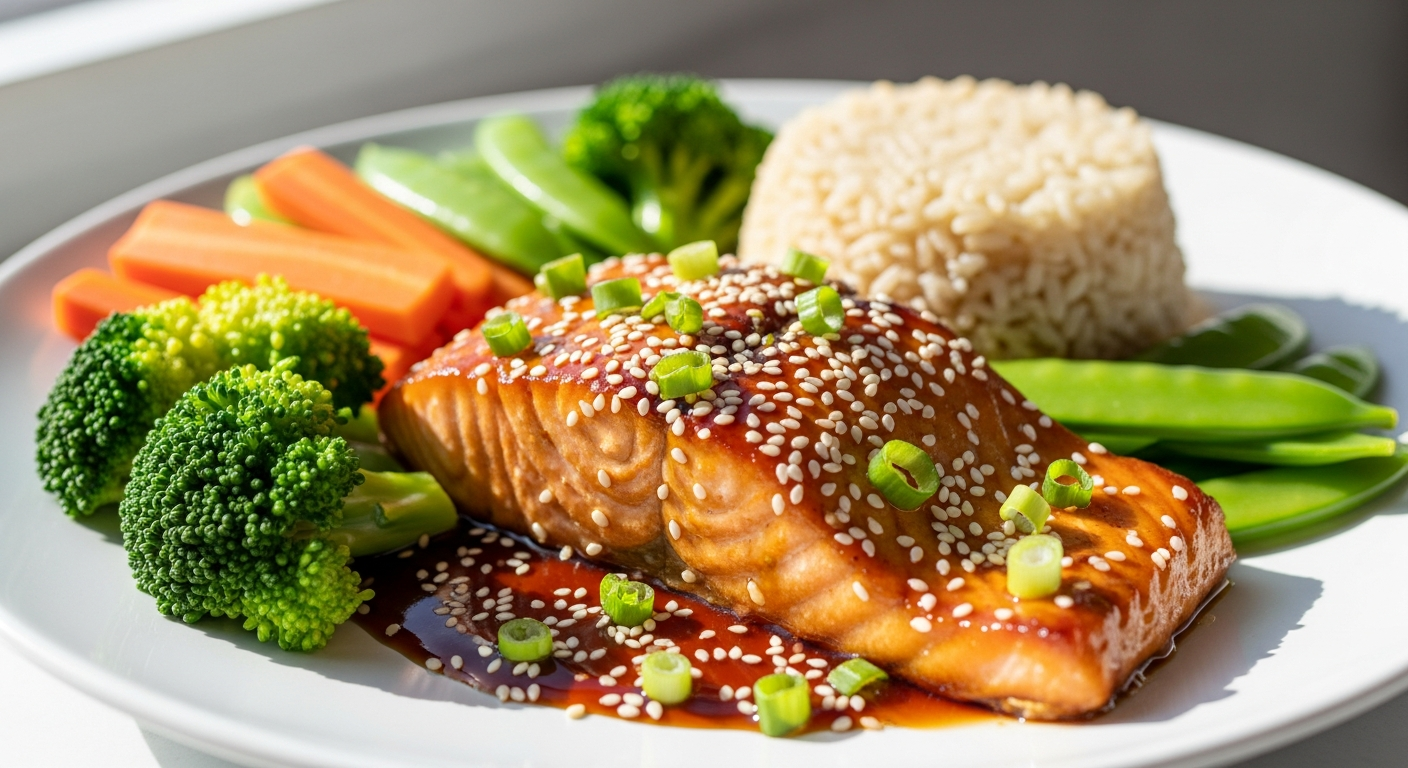
Discover how Field Doctor’s Teriyaki Salmon Whole Grain Rice supports IBS management with Low FODMAP certification. Award-winning taste meets dietary science in this convenient frozen meal guide.
Imagine sitting at your desk at 6 PM, stomach rumbling, knowing you need dinner but dreading what it might do to your digestive system. You're one of over 15 million people in the UK managing IBS symptoms while juggling demanding work schedules and family commitments. The real challenge isn't finding food—it's finding meals that taste genuinely delicious without triggering digestive distress.
Most frozen options force you to choose between flavor and digestive peace. You either eat something bland and safe, or you risk spending the evening uncomfortable. But what if you didn't have to make that trade-off? Field Doctor has cracked the code by combining Michelin-trained culinary expertise with registered dietitian guidance. Their Teriyaki Salmon Whole Grain Rice meal isn't just another ready-to-eat option; it's engineered specifically for people managing IBS, validated by Monash University's Low FODMAP certification.
Discover how Field Doctor's award-winning meal transforms IBS management today.
This meal represents a fundamental shift in how premium frozen options address real health challenges. I'm breaking down everything you need to know—from its Low FODMAP credentials and ingredient sourcing to practical meal prep strategies and whether it genuinely delivers on its promise. You'll understand how to maximize this meal within your IBS management plan and learn the nutritional science behind why it works.
Why Low FODMAP Certification Matters for IBS Management
Understanding FODMAP Triggers and How They Affect Digestive Symptoms
FODMAPs are fermentable carbohydrates that trigger symptoms in IBS sufferers. When your small intestine struggles to absorb these compounds, they travel to your colon, where bacteria ferment them. This fermentation process creates gas, bloating, abdominal pain, and altered bowel movements—the hallmark symptoms of IBS. Different people react to different FODMAPs, which is why personalized meal planning matters so much.
Monash University's Rigorous Certification Process and What It Guarantees
Monash University in Australia developed the Low FODMAP diet and maintains the gold standard for certification. Their rigorous testing process involves laboratory analysis of foods to measure actual FODMAP content. A meal earning Monash certification means it's been independently verified and tested—not just assumed to be low in FODMAPs. This guarantees you're getting genuine peace of mind, not marketing claims.
How Field Doctor's Teriyaki Salmon Meal Meets Strict Low FODMAP Standards
Field Doctor's Teriyaki Salmon achieves Monash certification by carefully selecting every ingredient. The tamari ginger dressing replaces traditional soy sauce (which contains wheat and potential triggers). The vegetable selection—broccoli, spinach, edamame, and red pepper—includes only Low FODMAP options in appropriate portions. The whole grain rice and red quinoa base avoids high-FODMAP grains. This isn't accidental; it's deliberate formulation.
Comparing Certified Low FODMAP Meals to Unlabeled Frozen Options
Many frozen meals claim to be "IBS-friendly" or "gentle on digestion" without any certification backing those claims. Field Doctor's Monash certification sets it apart because independent verification means you're not relying on the brand's word alone. When you're managing a chronic condition, that distinction matters tremendously.
Real-World Benefits for People with IBS, SIBO, and Sensitive Digestion
People with IBS report fewer symptoms when eating certified Low FODMAP meals compared to unlabeled alternatives. Those managing SIBO (Small Intestinal Bacterial Overgrowth) find that avoiding fermentable carbohydrates reduces bacterial activity and symptom flares. For anyone with sensitive digestion, this meal removes the guesswork that usually comes with eating out or choosing frozen options.
The Difference Between Low FODMAP-Friendly and Truly Certified Meals
A meal marketed as "Low FODMAP-friendly" might contain ingredients that individual FODMAP components seem reasonable but haven't undergone laboratory testing. Truly certified meals have been tested for their actual FODMAP content across all fermentable carbohydrate categories. This distinction protects you from hidden triggers.
Ingredient Breakdown: Sustainable Sourcing Meets Nutritional Integrity
Sustainable Salmon Sourcing and Omega-3 Fatty Acid Benefits
Field Doctor sources sustainable salmon, meaning the fish are farmed or caught using methods that maintain healthy ocean ecosystems. Beyond environmental responsibility, this salmon delivers approximately 2-3 grams of omega-3 fatty acids per serving. Omega-3s reduce inflammation throughout your digestive tract, which directly supports IBS symptom management. Your gut doesn't just tolerate this meal; it benefits from it.
The Role of Tamari Ginger Dressing in Flavor Without Inflammatory Ingredients
The teriyaki glaze uses tamari (a gluten-free soy sauce alternative) and ginger rather than traditional soy sauce, which contains wheat. Ginger itself offers anti-inflammatory and digestive benefits, helping settle the stomach while adding depth to the flavor profile. This dressing delivers restaurant-quality taste without ingredients that trigger digestive distress.
Why Whole Grain Rice and Red Quinoa Provide Sustained Energy
Refined white rice spikes blood sugar quickly, followed by energy crashes. Whole grain rice retains its bran and germ layers, providing fiber, B vitamins, and minerals while releasing energy gradually. Red quinoa adds additional protein and a complete amino acid profile. Together, they create stable blood sugar and sustained energy—crucial for people managing both IBS and busy schedules.
Vegetable Medley Composition: Broccoli, Spinach, Edamame, Red Pepper Nutritional Profiles
Broccoli provides sulforaphane and fiber for digestive health. Spinach delivers iron, magnesium, and folate. Edamame contributes plant-based protein and additional fiber. Red pepper adds vitamin C and antioxidants. Each vegetable was selected not just for Low FODMAP status but for nutritional density. This medley contributes one full vegetable serving toward your daily five-a-day target.
Toasted Pumpkin Seeds as a Nutrient-Dense Topping and Texture Enhancer
Pumpkin seeds add magnesium (supporting muscle relaxation and digestion), zinc (boosting immune function), and healthy fats. The toasting process enhances their flavor and provides textural contrast against the soft grains and vegetables. This detail demonstrates the care Field Doctor takes with every component.
Ultra-Processed Food (UPF) Avoidance and Why Whole Food Ingredients Matter for IBS
Ultra-processed foods often contain emulsifiers, artificial sweeteners, and additives that alter your gut microbiome and trigger IBS symptoms. Field Doctor builds meals from recognizable, whole food ingredients. Your digestive system responds better to foods it recognizes, making UPF avoidance a cornerstone of IBS management.
Flash-Freezing Technology and Nutrient Preservation
Flash-freezing locks in nutrients at peak freshness by freezing food extremely quickly, preventing large ice crystal formation that damages cell walls. This means the vegetables and salmon retain more vitamins, minerals, and beneficial compounds compared to meals that sit in storage or are frozen slowly. The nutrient profile you see on the label actually makes it to your plate.
Experience the difference nutrient-rich, IBS-friendly meals can make in your daily life.
Nutritional Profile and Caloric Density for Different Lifestyles
Complete Macronutrient Breakdown: 468 Calories, 26g Protein, 54g Carbs, 18g Fat
Each 397g serving delivers a balanced macronutrient distribution. The 468 calories fit comfortably into most daily targets without exceeding typical lunch or dinner allocations. The 26g protein supports muscle maintenance and satiety. The 54g carbohydrates come entirely from whole grains and vegetables, providing sustained energy without blood sugar spikes. The 18g fat includes heart-healthy omega-3s and minimal saturated fat.
Protein Adequacy for Muscle Maintenance and Satiety
Twenty-six grams of protein from sustainable salmon provides essential amino acids your body cannot manufacture. For muscle maintenance and recovery, this amount satisfies typical requirements for sedentary individuals and lighter activity levels. The protein-to-calorie ratio keeps you full longer, reducing the likelihood of reaching for snacks an hour later.
Carbohydrate Quality from Whole Grains Versus Refined Alternatives
Whole grain rice and red quinoa release glucose gradually, preventing the sharp spikes and crashes associated with refined carbohydrates. This stability benefits IBS management by reducing stress on your digestive system and preventing the energy dips that trigger poor food choices. You're getting 54g of quality carbohydrates, not empty calories.
Fat Composition and Omega-3 Contribution to Anti-Inflammatory Benefits
The 18g fat includes substantial omega-3 content from salmon, with minimal saturated fat from seeds and the salmon itself. Omega-3s actively reduce inflammatory markers throughout your body, including your gut lining. This meal doesn't just avoid inflaming your system; it actively supports healing.
Portion Size Analysis: Ideal for Weight Management, Potentially Small for Athletes
At 397g and 468 calories, this portion works perfectly for weight management and typical lunch or dinner serving sizes. Someone exercising intensely or with very high caloric needs might find this meal alone insufficient and would need complementary sides. For most people managing IBS and maintaining a stable weight, the portion is ideal.
How This Meal Fits Into Daily Caloric Targets for Various Activity Levels
For someone with a 2,000-calorie daily target, this meal represents about 23% of their intake—reasonable for a main meal with sides. Active individuals with 2,500-calorie needs see this as about 19% of their intake. Sedentary individuals might view it as 23-25% of a 1,800-calorie target. The flexibility allows this meal to fit diverse nutrition plans.
Micronutrient Contributions: Vitamins, Minerals, and Fiber Content
Beyond macronutrients, this meal delivers significant micronutrient value. The vegetables provide vitamin C, B vitamins, and minerals like potassium and magnesium. Whole grains contribute fiber (approximately 5-6g per serving) supporting digestive health. The salmon provides selenium and vitamin D. Pumpkin seeds add zinc and magnesium. Together, these create a micronutrient-dense meal.
Allergen-Free Advantages and Dietary Restriction Compatibility
Gluten-Free Certification for Celiac Disease Management
This meal contains no gluten-containing grains or additives, making it safe for people with celiac disease. The tamari sauce replaces traditional soy sauce, eliminating wheat entirely. For celiacs managing IBS simultaneously, finding safe meals can be challenging; this option removes that concern completely.
Dairy-Free Formulation and Calcium Considerations
Complete absence of dairy means no lactose or milk proteins that trigger IBS symptoms in many people. If dairy sensitivity is your primary trigger, this meal sidesteps it entirely. Note that calcium comes from vegetables and seeds rather than dairy; the broccoli and sesame content in tamari provide dietary calcium contributions.
Low FODMAP Status Eliminating Common IBS Triggers
We've discussed certification, but it's worth emphasizing: this meal eliminates the most common IBS triggers simultaneously. High-FODMAP vegetables, garlic, onion, certain fruits, and lactose are absent. For someone at the beginning of Low FODMAP dieting, this meal provides confidence that a complete entree won't derail progress.
Suitability for Multiple Dietary Needs Simultaneously
Someone with celiac disease, IBS, and lactose sensitivity can eat this meal without modification or worry. Someone following Low FODMAP dieting and preferring plant-based proteins can pair this with their dietary approach. The meal's compatibility with multiple restrictions simultaneously makes it invaluable for people with overlapping conditions.
Vegetable Portion Contribution Toward Daily Five-a-Day Recommendations
The broccoli, spinach, edamame, and red pepper combination provides one full vegetable serving toward the recommended five daily portions. This makes reaching your vegetable targets simpler, especially on busy days when cooking multiple components feels overwhelming.
Cross-Contamination Prevention and Manufacturing Standards
Field Doctor operates with manufacturing standards that prevent cross-contamination with common allergens. Their facilities maintain separate processing areas and rigorous cleaning protocols. For people with severe allergies or celiac disease, this manufacturing integrity matters as much as ingredient selection.
Compatibility with Elimination Diets and Reintroduction Protocols
During strict Low FODMAP elimination phases, this meal fits perfectly without modification. When you reach the reintroduction phase, you can identify precisely which components you're testing without confusion. The meal's simplicity and known ingredient list makes it ideal for systematic dietary exploration.
Convenience and Preparation: From Freezer to Table in Minutes
Microwave Cooking: 8 Minutes at 800W for Busy Weekdays
Eight minutes from freezer to plate makes this meal realistic for busy weeknights. You come home, put the meal in the microwave, and in the time it takes to change clothes or check messages, dinner is ready. No thawing required, no complex preparation steps.
Conventional Oven Preparation: 50 Minutes at 195°C/175°C Fan for Batch Cooking
For those who prefer oven cooking or want to prepare multiple meals simultaneously, the 50-minute conventional oven option works well. You can batch-cook several meals while handling other tasks, then portion them for the week ahead.
Portion Sizing (397g) for Single Servings and Meal Prep Flexibility
The 397g portion is designed as a complete single serving, eliminating guesswork about portion sizes. For meal prep, you buy multiple meals and organize them in your freezer for grab-and-go convenience throughout the week. This removes daily decision fatigue around IBS management.
Storage Longevity and Shelf-Life Considerations
Flash-frozen meals maintain quality for several months when stored properly in a freezer at 0°F or below. This allows you to stock several meals without waste, building a convenient safety net for days when cooking feels impossible.
Reheating Quality: Maintaining Salmon Texture and Vegetable Integrity
Proper microwave cooking (following the 8-minute guideline) preserves salmon moisture and prevents rubbery texture. Vegetables remain slightly firm rather than becoming mushy. The meal is engineered to withstand reheating without quality degradation—a detail many frozen meal brands overlook.
Packaging Sustainability and Disposal Considerations
Field Doctor uses recyclable packaging, reducing environmental impact. The meals take minimal space in your freezer compared to larger meal prep containers, making storage practical. Disposal involves standard recycling rather than complicated separation of materials.
Integration Into Meal Prep Routines for the Week Ahead
Many people buy 5-7 Field Doctor meals at once, rotating them with fresh ingredients for variety. This approach removes the paralysis of daily meal decisions while maintaining flexibility. You're not eating the same meal repeatedly; you're choosing from multiple Field Doctor options plus fresh components.
Taste and Texture: Bridging Gourmet Quality with Dietary Restrictions
Award-Winning Flavor Profile and Great Taste Award Recognition
This meal earned Great Taste Award recognition, meaning expert judges evaluated it against standard frozen options and premium restaurant meals. It doesn't taste like "healthy food"—it tastes like food prepared by skilled culinary professionals. This distinction matters tremendously when you're tired of sacrificing enjoyment for digestive peace.
Teriyaki Glaze Formulation: Savory Depth Without High Sodium Spikes
The teriyaki glaze delivers umami-rich, savory depth from tamari and ginger rather than relying on salt. Sodium content remains reasonable, preventing the water retention and digestive irritation that high-sodium meals trigger. You get restaurant-quality flavor without the downsides.
Salmon Moisture Retention and Cooking Technique Excellence
Professional flash-freezing and carefully engineered reheating instructions preserve the salmon's natural moisture. The fish stays moist and tender rather than becoming dry—a problem plaguing most frozen salmon preparations. This reflects Michelin-trained technique applied to frozen meal production.
Rice Texture Considerations and Personal Preference Variations
Some reviewers note that the rice texture leans toward the softer side. If you prefer firmer, more distinct rice grains, this might not match your preference. However, many find the softer texture easier to digest and more pleasant with the teriyaki sauce. Personal preference varies, but quality is consistent.
Vegetable Crispness Balance and Cooking Preservation Methods
The vegetables maintain slight firmness rather than becoming completely soft, creating pleasant textural contrast. The flash-freezing and controlled reheating preserve cell structure better than traditional frozen meals, resulting in vegetables that taste fresher and less mushy.
Pumpkin Seed Topping Contribution to Bite and Satisfaction
Toasted pumpkin seeds provide textural contrast and satisfaction that softer components alone wouldn't deliver. They add crunch, richness, and visual appeal. This thoughtful garnish elevates the meal beyond basic frozen food.
Comparative Taste Testing Against Standard Supermarket Frozen Meals
Compared to typical supermarket frozen meals, this option delivers noticeably superior flavor complexity and ingredient quality. The salmon tastes like actual salmon rather than a processed approximation. The sauce has depth. The vegetables taste intentional rather than obligatory. Once you experience quality this level, standard frozen meals become difficult to enjoy.
Cost-Value Analysis: Premium Pricing for Specialized Nutrition
Individual Meal Pricing at £7 Versus Supermarket Alternatives
Field Doctor meals cost approximately £7 per serving, compared to £2-4 for standard supermarket frozen meals. The premium is immediately obvious. However, the comparison requires looking beyond price to value.
Cost-Per-Serving Breakdown and Budget Meal Planning
At £7 per meal, you're investing in Michelin-trained preparation, registered dietitian oversight, and Monash University certification. If you account for the cost of buying sustainable salmon separately, quality whole grains, fresh vegetables, and the time invested in preparation, £7 becomes remarkably reasonable.
Premium Ingredient Justification: Sustainable Salmon and Dietitian Design
Sustainable salmon costs more than farm-raised alternatives. Dietitian-designed menus require expertise and testing. Monash certification involves laboratory work and independent verification. These costs aren't arbitrary; they reflect genuine value you're receiving.
Value Proposition for People Managing Chronic Digestive Conditions
For someone with IBS, the peace of mind that comes with certified Low FODMAP status and known ingredient sourcing has real value. You're not gambling with your digestive health; you're making an informed, safe choice. Across a week of meals, you invest £35-49 for digestive confidence.
Bulk Purchasing Options and Subscription Savings
Many retailers offer modest discounts for bulk purchases or subscriptions. Buying 10-12 meals at once might reduce per-meal cost slightly while ensuring you always have safe options available. Regular purchasing also means you're not caught without options during symptom flares.
Long-Term Health Cost Savings From Symptom Management
Consider the costs associated with unmanaged IBS: doctor visits, diagnostic testing, potential medication, lost productivity, and compromised quality of life. Premium meals supporting consistent symptom management represent genuine health investment. The prevention of flares saves money across your entire healthcare picture.
Return on Investment for Quality-of-Life Improvements
You can't put a price on eating a meal without worrying about symptoms. You can't quantify the value of having dinner ready in eight minutes on days when cooking feels impossible. Quality-of-life improvements, while difficult to measure monetarily, represent the true return on investment.
Real-World Application: Building IBS-Friendly Weekly Meal Plans
Incorporating Field Doctor Meals Into Low FODMAP Rotation Strategies
A practical week might look like: Monday—Field Doctor Teriyaki Salmon; Tuesday—Low FODMAP home-cooked chicken with safe vegetables; Wednesday—Field Doctor meal (different option); Thursday—Safe restaurant meal or another home-prepared option; Friday—Field Doctor Teriyaki Salmon again. This rotation provides variety while maintaining Low FODMAP compliance.
Complementary Side Dishes and Beverages for Complete Meals
The 468-calorie meal works as a complete entree or as part of a larger meal. You might add a simple green salad (using Low FODMAP vegetables like lettuce and cucumber), plain rice cakes, or gluten-free bread. For beverages, stick with water, herbal tea, or Low FODMAP options like regular coffee.
Timing Considerations: Meal Spacing for Optimal Digestion
Space meals 3-4 hours apart to allow adequate digestion time. If you eat at noon, dinner at 5-6 PM gives your system proper processing time. Avoid eating immediately before exercise or bed, as both can interfere with digestion. This meal's balanced macronutrients sit well in your stomach, making timing flexible.
Combining With Other Field Doctor Options for Variety
Field Doctor offers multiple certified Low FODMAP meals beyond the Teriyaki Salmon. Rotating between options prevents meal fatigue while maintaining certification standards. You might alternate between salmon, poultry, and vegetarian options throughout the month.
Tracking Symptoms and Identifying Personal Tolerance Patterns
Use this meal as a baseline within your Low FODMAP diet. Note how you feel 1-2 hours and 3-4 hours after eating. Does your energy remain stable? Do symptoms appear? Once you establish this baseline, you can systematically reintroduce other foods while knowing the Teriyaki Salmon meal itself didn't cause reactions.
Meal Planning Templates for Consistent Symptom Management
Create a simple weekly template: two Field Doctor Teriyaki Salmon meals, one or two meals from other Field Doctor options, and several meals you prepare yourself. This structure reduces planning stress while ensuring you maintain certified Low FODMAP compliance.
Transition Strategies When Reintroducing Trigger Foods
During reintroduction phases, you might eat this meal one day, then introduce a single potential trigger food the next day in a controlled portion. The predictability of this meal makes it an excellent baseline, allowing you to identify whether symptoms stem from your introduction or from the baseline meal itself.
Potential Limitations and Who This Meal Suits Best
Portion Size Considerations for High-Calorie-Demand Individuals
At 468 calories, this meal suits most people but may feel small for athletes, individuals engaged in intense training, or those with higher metabolic demands. Adding substantial sides becomes necessary for adequate caloric intake.
Rice Texture Preferences and Individual Variation
The softer rice texture works beautifully for most people but might disappoint those preferring distinct, separate grains. This is purely preference-based rather than a quality issue, but it's worth acknowledging that texture preferences vary.
Caloric Density for Weight Loss-Focused Meal Plans
If you're aiming for very low calorie intake (1,500 calories daily), this meal represents a significant portion of your budget. It works fine but offers less flexibility for adding sides or snacks.
Suitability Assessment for Different Fitness and Activity Levels
Casual exercisers and sedentary individuals find this meal perfectly proportioned. Endurance athletes or heavy strength trainers might need supplementary carbohydrates or additional protein. For its intended audience—busy professionals and IBS managers—it's ideal.
Comparative Analysis With Other Premium Frozen Meal Brands
Other premium brands offer comparable options, but few specifically prioritize Low FODMAP certification and Monash University validation. Many premium meals still contain trigger ingredients, making Field Doctor's focus on IBS management genuinely differentiated.
Scenarios Where This Meal Excels Versus Alternatives
This meal excels on busy weeknights, during symptom flares when cooking feels impossible, when traveling with dietary restrictions, and when you need guaranteed Low FODMAP compliance. It's less ideal for very budget-conscious eating or for someone seeking maximum meal customization.
Honest Assessment of Potential Drawbacks
The drawbacks are genuinely minor: higher cost than standard frozen meals, potentially softer rice texture, and portion size that's perfect for most but small for high-calorie-demand individuals. These are trade-offs worth making for people managing IBS, but they're worth acknowledging.
Making Your Purchase Decision: Key Takeaways and Next Steps
Summarizing the Meal's Standout Features and Unique Positioning
Field Doctor's Teriyaki Salmon Whole Grain Rice combines three powerful elements: Monash University Low FODMAP certification (removing guesswork from IBS management), Michelin-trained culinary skill (ensuring taste doesn't suffer), and registered dietitian oversight (guaranteeing nutritional integrity). This combination is genuinely rare in the frozen meal market.
Matching the Product to Your Specific Health Needs and Lifestyle
If you're managing IBS, celiac disease, or dairy sensitivity, this meal directly addresses your needs. If you're a busy professional tired of stressing about dinner, the eight-minute preparation solves your problem. If you value whole foods and sustainability, the ingredient sourcing matches your values. The meal works best for people with at least one of these priorities.
Where to Purchase Field Doctor Meals and Availability
Field Doctor meals are available through their direct website, major UK retailers, and select online grocery platforms. Availability varies by location, so checking your local options is worthwhile. Online ordering often includes bulk discounts and flexible delivery schedules.
First-Time Buyer Recommendations and Flavor Variety Options
If you're new to Field Doctor, starting with the Teriyaki Salmon is excellent—it's their Great Taste Award winner and an ideal introduction to their quality standard. Once you confirm it works for your IBS, exploring other options like poultry and vegetarian selections provides variety without requiring you to take risks with untested brands.
Integration With Broader IBS Management Strategies
Premium meals represent one component of comprehensive IBS management alongside medical support, stress management, adequate sleep, regular exercise, and systematic Low FODMAP dieting. This meal supports your broader strategy by removing the meal-planning stress that can undermine other elements.
Resources for Low FODMAP Meal Planning Support
Monash University's official Low FODMAP app provides updated food lists and recipes. The FODMAP Everyday website offers additional resources. Your gastroenterologist or registered dietitian can provide personalized guidance. These resources combined with premium meals like this one create a comprehensive approach.
Building Confidence in Premium Frozen Meal Investment
Your first purchase is an experiment. Buy one or two meals, track your symptoms carefully, note your satisfaction with taste and satiety, and evaluate whether the cost-to-benefit ratio makes sense for your situation. Many people find that after one week of testing, the decision becomes obvious.
Your Path to Stress-Free, Symptom-Managed Meals
Field Doctor's Teriyaki Salmon Whole Grain Rice stands out because it refuses to compromise. You're getting Michelin-trained culinary skill, registered dietitian oversight, and genuine Low FODMAP certification—all in a meal you can prepare in 8 minutes. The sustainable salmon delivers omega-3s your body craves, the whole grains provide stable energy, and the thoughtfully selected vegetables contribute to your daily nutrition without triggering digestive distress.
Yes, it costs more than standard supermarket frozen meals. But when you factor in the peace of mind that comes with certified Low FODMAP status, the absence of Ultra-Processed Foods, and the relief of knowing you're eating something specifically designed for IBS management, the value becomes undeniable. This meal works for busy professionals, fitness enthusiasts managing IBS, and anyone tired of sacrificing taste for digestive comfort.
The real question isn't whether this meal is worth trying—it's whether you're ready to stop settling for meals that leave you guessing about symptoms. If you've been searching for a frozen option that actually understands your dietary needs while delivering restaurant-quality flavor, this is your answer. Start with one meal, track how you feel, and build from there. Your digestive system will thank you.
Take the first step toward confident, symptom-free meals with Field Doctor today.