
Malteser provides first aid training, elderly care, and disaster response in Germany. See how its services work and who they help.
When you think about emergency aid in Germany, one name comes up again and again: Malteser. From ambulance services to elderly care and refugee support, this organization plays a major role in everyday life across the country.
Malteser operates as one of Germany’s largest Catholic-based humanitarian networks, rooted in the centuries-old tradition of the Order of Malta.
According to public figures shared by the organization, it counts over one million members and supporters and tens of thousands of employees and volunteers nationwide. That scale matters when you need fast response times, trained professionals, and structured care.
You benefit from a system that blends volunteer spirit with professional healthcare standards.
Malteser’s Organizational Structure Explained
To understand how Malteser works, you need to look at its structure. It operates through several specialized entities, each handling different responsibilities.
1. Malteser Hilfsdienst e.V.
Founded in 1953, this registered non-profit association forms the backbone of volunteer services in Germany.
You see its impact in:
- First aid training courses
- Ambulance and rescue services
- Civil protection units
- Refugee and homeless support
- Community outreach programs
This division coordinates thousands of volunteers and professional staff. It plays a critical role in Germany’s disaster response system.
2. Malteser Deutschland gGmbH
Established in 2011, this branch focuses on professional healthcare delivery.
It operates:
- Hospitals and specialist clinics
- Elderly care homes
- Assisted living facilities
- Outpatient nursing services
- Hospice and palliative care centers
Here, care follows regulated medical standards, with trained healthcare professionals managing daily operations.
3. Malteser Werke gGmbH
This division concentrates on social welfare and integration services. You find programs that support migrants, young people, and vulnerable families.
Services include:
- Refugee housing and integration counseling
- Youth welfare programs
- Educational and social initiatives
- Community counseling centers
More than 2,000 employees work in this area across Germany.
4. Malteser International
Active in over 30 countries, this global branch handles emergency relief, disaster response, water and sanitation projects, and long-term recovery efforts.
Emergency Medical Services and First Aid Training
If you search for Malteser ambulance service Germany or Malteser first aid course, you are likely looking for reliable emergency support.
Malteser runs ambulance and rescue operations across urban and rural regions. Teams remain on call around the clock. Event medical coverage is also available for large public gatherings, concerts, and sports events.
First aid training is one of the most visible services. Courses are designed for:
- Driver’s license requirements
- Workplace safety certification
- Parents and caregivers
- Schools and youth groups
According to the German Federal Statistical Office (Destatis), road traffic accidents still result in hundreds of thousands of injuries annually in Germany. Trained first responders make a measurable difference in survival outcomes. That makes structured first aid education essential.
Malteser Hausnotruf and Senior Care Services
One of the most searched services is Malteser Hausnotruf cost. The Hausnotruf system provides emergency assistance at home for seniors or people with health risks.
You receive:
- A wearable emergency button
- 24/7 monitoring
- Direct connection to a service center
- Rapid dispatch of help if needed
Pricing varies depending on coverage and add-ons. Official information from Malteser lists monthly base fees starting in the typical range common to German emergency call systems. Exact pricing depends on region and service package. Long-term care insurance may cover part of the cost if eligibility criteria are met.
Beyond Hausnotruf, Malteser elderly care Germany services include assisted living, home nursing, and meal delivery programs (Meals on Wheels). These services help older adults maintain independence while staying connected to professional support.
Hospice and Palliative Care Programs
Hospice care focuses on dignity and comfort during end-of-life stages. Malteser operates hospice facilities and provides outpatient palliative care.
You find support that includes:
- Pain management
- Emotional counseling
- Family guidance
- Spiritual care
From a healthcare perspective, palliative services reduce hospital admissions and improve quality of life in advanced illness stages, according to data from the World Health Organization.
Professionals in this field complete specialized training. Many teams combine medical staff and trained volunteers to provide comprehensive support.
Refugee Support and Integration Programs
Search trends show growing interest in Malteser refugee support Germany.
Malteser Werke plays a significant role in housing, counseling, and integration services for asylum seekers and migrants. Programs focus on:
- Language and orientation support
- Social counseling
- Youth assistance
- Employment preparation
Germany has received large migration flows in recent years, increasing demand for structured integration programs. Malteser collaborates with local governments to deliver organized services.
You see a practical model at work: public funding combined with nonprofit administration and trained social workers.
Homeless Outreach and Winter Relief Efforts
Street outreach teams provide food, warm clothing, and medical attention to people experiencing homelessness. In winter months, relief buses distribute supplies and emergency assistance.
This approach addresses urgent needs directly on the streets. It reduces strain on emergency rooms and social services.
Professionals in social work often point out that mobile outreach increases trust among vulnerable populations. Direct engagement can lead to longer-term solutions such as housing placement or addiction counseling.
Civil Protection and Disaster Response in Germany
Malteser plays a recognized role in Germany’s civil protection framework.
Services include:
- Disaster response units
- Rescue dog teams
- Large-scale evacuation assistance
- Emergency shelters
As climate-related events increase across Europe, organized response structures matter more than ever. Federal and state authorities coordinate closely with humanitarian organizations like Malteser to manage floods, storms, and other crises.
You benefit from a decentralized network. Regional branches allow fast deployment in local emergencies.
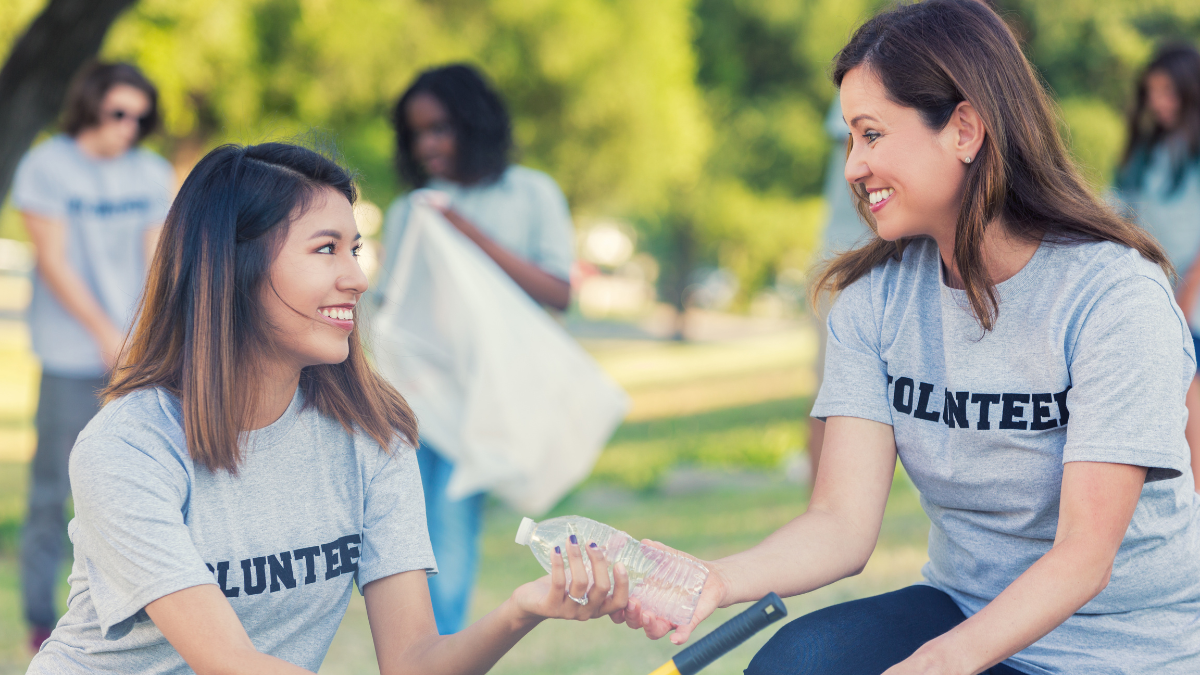
Volunteer Opportunities and Malteser Jugend
If you look up Malteser volunteer opportunities Germany, you will find a wide range of options.
Malteser Jugend programs focus on youth engagement. Young volunteers learn first aid, leadership skills, and community service values.
Volunteering provides:
- Practical emergency training
- Teamwork experience
- Community involvement
- Personal development
From a social impact standpoint, volunteer engagement strengthens civil society. Research from German nonprofit sector studies shows that structured volunteer programs improve community resilience during crises.
Strengths and Limitations to Consider
Every large organization faces challenges. Malteser operates at scale, which can create regional differences in service availability. Urban areas often have broader service coverage than rural districts.
Funding structures depend partly on donations, public contracts, and healthcare reimbursements. Economic pressures can affect expansion speed.
Still, partnerships with government agencies and participation in networks like Action Deutschland Hilft strengthen operational stability.
You gain access to professional systems backed by long-standing institutional experience.
How You Can Access Malteser DE Services
Access depends on the type of service you need.
For healthcare and senior services:
- Contact local Malteser branches
- Request a consultation
- Check eligibility for insurance coverage
For volunteer roles:
- Review regional opportunities
- Complete training programs
- Join youth or adult volunteer groups
Most services operate locally, so your nearest branch becomes your first contact point.
Why Malteser DE Matters to You
Malteser connects emergency response, healthcare, social welfare, and international relief under one structured network. You benefit from professional standards, strong volunteer culture, and nationwide reach.
From ambulance services to Hausnotruf systems and refugee integration programs, the organization covers a wide spectrum of needs. It operates with Christian humanitarian values while serving people of all backgrounds.
If you want to enroll in a first aid course, volunteer in your community, or explore senior support options, you can start with your local Malteser branch. Taking that step connects you to one of Germany’s most established humanitarian systems.