
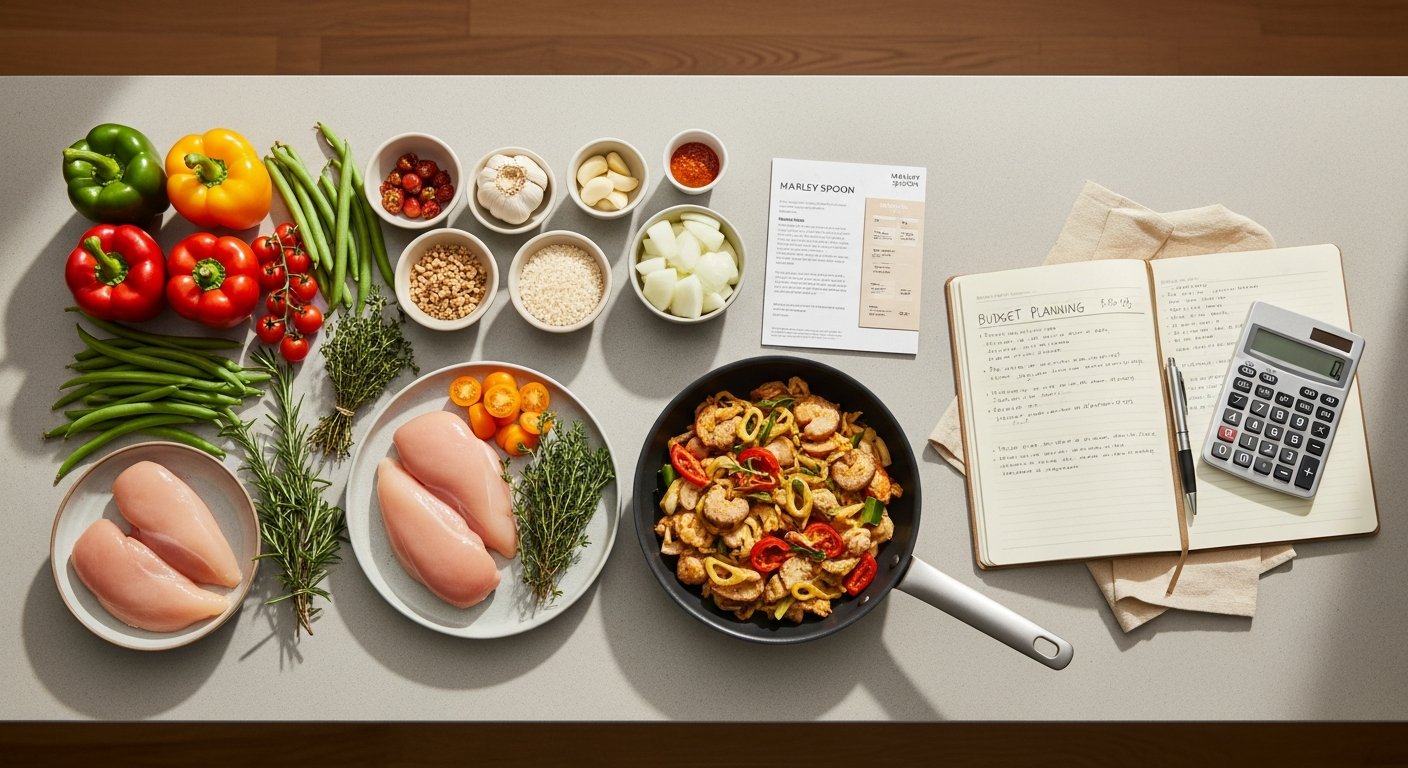
Trying to balance food costs with convenience? This meal kit approach reduces waste, simplifies planning, and offers flexible pricing—designed to help you manage your weekly food budget more efficiently.
Meal kits often seem more expensive than traditional grocery shopping. However, the real cost depends on how food is used, how much is wasted, and how much time is spent planning and preparing meals.
Marley Spoon offers a structured approach to cooking that focuses on portion control, flexibility, and recipe variety. When used strategically, it can align with both convenience and budget goals.
Understanding the Real Cost of Meal Kits
Comparing meal kits to groceries is not always straightforward. Traditional shopping often includes hidden inefficiencies.
Key cost factors include:
- Unused ingredients that go to waste
- Impulse purchases during shopping trips
- Time spent planning and preparing meals
Meal kits reduce these variables by providing exact portions and pre-planned recipes.
How Pricing Works
Marley Spoon pricing depends on order size and meal selection. Larger orders typically reduce the cost per serving.
General structure:
- Around $8.69 to $12.99 per portion
- Fixed shipping fee per delivery
- Optional upgrades that increase total cost
Understanding these components helps create a more accurate budget estimate.
Choosing the Right Plan for Value
Not all plans offer the same level of efficiency. Selecting the right combination of meals and servings can make a noticeable difference.
Common value strategies:
- Larger weekly orders to lower cost per serving
- Mid-range plans for balanced flexibility
- Adjusting meal frequency based on actual needs
This prevents over-ordering while maintaining convenience.
Using Saver Recipes to Reduce Costs
Some recipes are designed to be more budget-friendly without reducing quality.
Benefits of these options:
- Lower per-meal cost
- Similar ingredient standards
- Minimal impact on overall experience
Choosing these regularly can reduce weekly expenses.
Reducing Hidden Household Spending
Meal kits can influence spending beyond food itself. Structured planning often leads to fewer unplanned expenses.
Areas where savings can occur:
- Less grocery waste due to portion control
- Fewer last-minute takeout orders
- Reduced spending on unnecessary items
Over time, these small changes can add up.
Flexibility Without Long-Term Commitment
One advantage of Marley Spoon is the ability to adjust orders without penalties. This allows better control over spending.
Flexible features include:
- Skipping weeks when meals are not needed
- Adjusting portion sizes
- Ordering only during busy periods
This makes it easier to match spending with actual usage.
Comparing Value to Other Options
Meal kits sit between grocery shopping and takeout in terms of cost. The value depends on priorities.
Compared to alternatives:
- More structured than grocery shopping
- More affordable than frequent takeout
- Offers better ingredient consistency
For households that cook regularly, this balance can be practical.
Smart Ways to Stay Within Budget
Using meal kits effectively requires a few simple habits. Without them, costs can increase quickly.
Helpful strategies:
- Limit add-ons and extras
- Track weekly spending
- Adjust plans based on usage
- Combine meal kits with regular grocery shopping
This hybrid approach allows better cost control.
A Practical Approach to Meal Planning
Meal kits are not always about saving money directly. They are often about improving efficiency and reducing waste.
Marley Spoon provides:
- Pre-portioned ingredients to minimize waste
- Flexible plans that adapt to schedules
- Structured meal planning without extra effort
For many households, this results in a more predictable and manageable food budget.
Testing a short-term plan can help determine if the balance between cost and convenience fits your needs.