
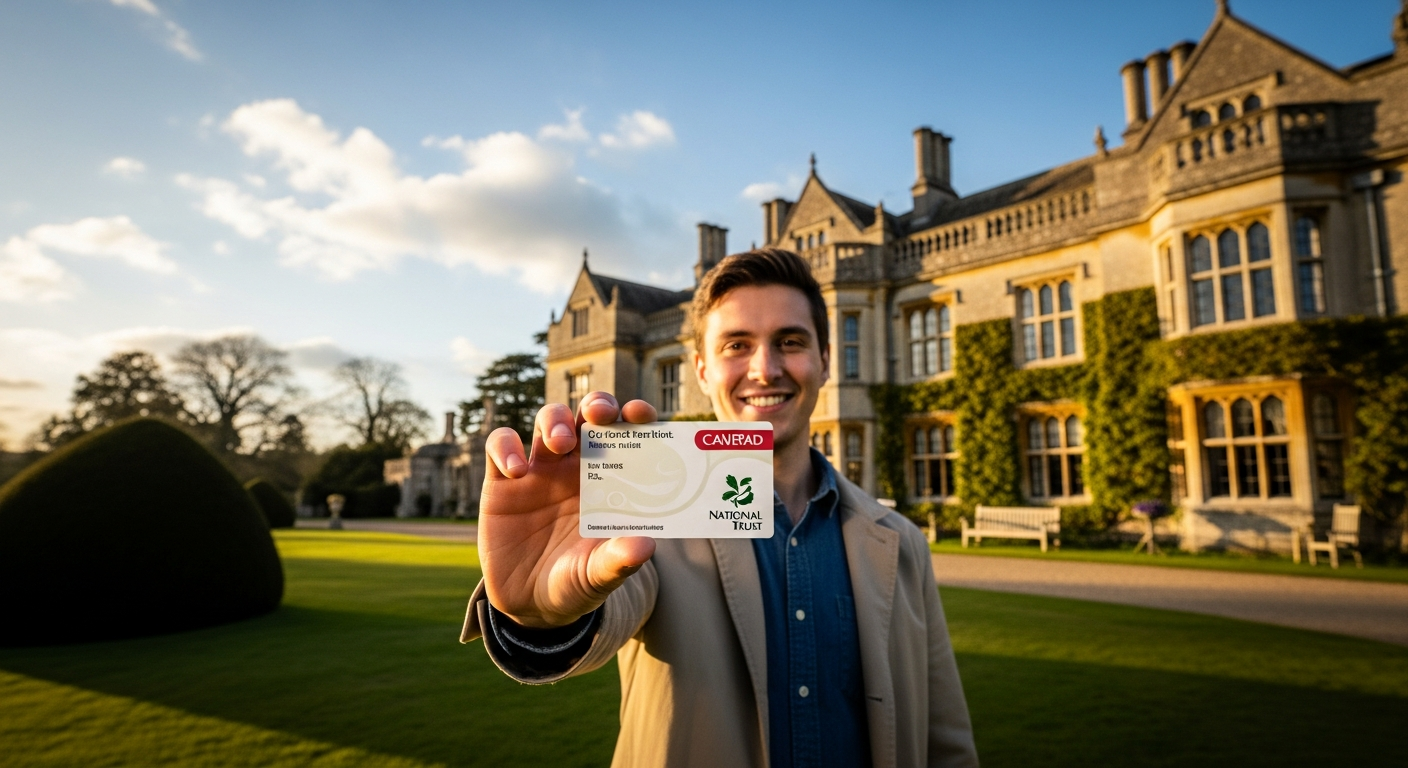
Discover whether the National Trust Annual Membership Pass offers genuine value for 18-25 year olds. Compare costs, explore exclusive perks, and learn how young members are transforming heritage conservation.
Young adults aged 18-25 represent the fastest-growing demographic in the National Trust's membership base—a remarkable shift that's reshaping how a new generation engages with British heritage. The organization has tapped into something genuinely compelling: a cohort that views spending not as consumption but as participation in something meaningful.
If you're curious about whether a £50.40 annual membership card could unlock hundreds of adventures while supporting conservation efforts, you're not alone. This surge in young membership tells a compelling story about changing attitudes toward nature, history, and how money flows toward values rather than mere possessions. The National Trust Annual Membership Pass has long been the organization's flagship offering, granting access to over 500 historic properties, gardens, and coastal landscapes across England, Wales, and Northern Ireland.
For young adults specifically, the membership equation looks fundamentally different. With a dedicated youth tier priced at half the standard rate, the National Trust is actively courting an audience that prioritizes experiences, sustainability, and community contribution over traditional consumer goods. Throughout this article, you'll examine whether the National Trust Annual Membership Pass genuinely delivers value for young people in 2026, explore what makes the youth membership tier unique, and learn how this membership connects you to a broader movement of heritage preservation.
Explore your National Trust membership options today.
The Youth Membership Advantage: Breaking Down the Numbers
Pricing That Actually Makes Sense
Young person membership at £50.40 annually sits at precisely half the individual adult rate of £100.80. This isn't arbitrary positioning—it reflects the National Trust's deliberate strategy to remove financial barriers for an age group often juggling student loans, entry-level salaries, and competing leisure expenses.
The cost-per-visit economics shift dramatically based on usage patterns. For someone visiting 2-3 times per year, the membership pays for itself immediately. Visit monthly, and you're essentially paying around £4 per visit—a figure that becomes genuinely laughable when you consider that single entry to many properties ranges from £8-15 without membership. Compare this against other leisure commitments: a cinema pass costs roughly the same annually but offers far fewer experiences, while gym memberships and streaming services command similar prices yet don't grant access to 500+ locations.
Lifetime Membership and Long-Term Thinking
For young members genuinely committed to heritage exploration over decades, lifetime membership options deserve serious consideration. An individual lifetime membership costs £2,430—substantial upfront, yet calculating the long-term value reveals intriguing possibilities. Someone joining at age 20 and remaining a member until 75 would otherwise spend roughly £3,030 on annual memberships (assuming modest annual increases). The lifetime option becomes financially sensible when viewed across a multi-decade horizon, particularly for members who plan to visit regularly throughout their lives.
Geographic Realities and Access
The 500+ properties figure sounds magnificent until you examine the distribution map. Someone living in central London enjoys dramatically different access dynamics than a member in rural Cornwall or Edinburgh. Regional variations mean your effective network might range from 50 nearby properties to several hundred within reasonable traveling distance. Some members across Northern Ireland and more rural Welsh regions face significantly longer travel commitments, which affects the true value calculation.
The break-even point remains simple mathematics: identify the number of visits you'll realistically complete annually, multiply by typical single-entry costs (£8-15 per property), and compare against the £50.40 annual fee. Most young members discover they hit break-even faster than anticipated.
Beyond the Entry Fee: Hidden Perks Young Members Overlook
Parking That Adds Up Quickly
Free parking at most National Trust car parks represents a genuinely substantial benefit that many young members undervalue initially. A day trip to a property might involve £3-5 parking costs; over twelve visits annually, you're looking at £36-60 in parking savings alone. For road-trippers planning weekend adventures across multiple properties, this advantage compounds significantly.
Content and Community Access
The National Trust Magazine arrives three times yearly, delivering curated content, member stories, and photography that genuinely inspires future visits. More substantially, the exclusive online members' area provides digital guides, event previews, and increasingly active community forums where members share experiences, tips, and photos. Young members especially gravitate toward these digital touchpoints, where Instagram-worthy locations get featured and discovery happens organically through peer recommendations.
Events, Discounts, and Reciprocal Benefits
Member-only events and workshops at select properties create experiences you cannot purchase separately. Discounts at National Trust cafés and shops, while modest individually, accumulate meaningfully across frequent visits. Reciprocal access agreements with partner organizations in certain regions extend the membership's reach beyond National Trust properties themselves. Social media communities and hashtag campaigns connect young members globally, transforming what could be solitary visits into participation within a worldwide network of heritage enthusiasts.
The Sustainability Angle: Why Young Adults Are Joining
Direct Contribution Model
Young members joining the National Trust increasingly cite alignment with conservation values as primary motivation. Your membership fee directly funds active conservation projects—restoration work, land management, archaeological research, and environmental stewardship across the network. This isn't abstract altruism; it's tangible contribution to specific outcomes.
The National Trust provides transparency regarding fund allocation, publishing annual reports detailing which projects received investment and what specific conservation work was accomplished. Young members can see exactly where their money goes, a level of accountability that resonates with a generation skeptical of opaque corporate structures.
Influence and Educational Pathways
Younger members increasingly influence organizational priorities. The National Trust actively solicits feedback from younger demographics regarding green initiatives, accessibility improvements, and programming decisions. Property visits become educational opportunities—many locations offer conservation volunteer programs, archaeological experiences, and guided tours specifically designed for deeper learning.
This alignment with environmental and cultural values proves particularly powerful for Gen Z audiences navigating choices about where discretionary income flows. Supporting the National Trust feels like participating in heritage preservation rather than passive consumption.
The Psychological Dimension
Beyond economics and environmental ethics, membership provides psychological benefit from supporting something larger than yourself. You become part of a movement actively shaping how Britain's most treasured spaces are protected and presented. Case studies abound of properties restored through membership funding—crumbling estates now thriving, gardens revived, coastlines protected from development. Knowing your £50.40 contributed to these outcomes creates genuine satisfaction.
Join the movement and support British heritage preservation.
Practical Realities: What the Membership Card Actually Gets You
Physical Card Requirements
Here's where romantic notions collide with practical friction: you must carry your physical membership card for entry and parking. Digital versions aren't universally accepted despite operating in an increasingly digital world. This creates minor but genuine inconvenience—forgetting your card or carrying an additional item for every visit. Card replacement incurs costs, and processing times for initial card delivery can stretch 2-3 weeks.
Booking Complications
Advance booking requirements for guided tours and special events create access constraints during peak periods. Summer holidays and school breaks see properties operating at capacity, with bookings filling days in advance. Spontaneous visits remain possible to most properties, but premium experiences require planning.
Crowding and Strategic Visiting
Popular properties like Hadrian's Wall, Cotswold locations, and coastal sites experience genuine crowding during peak season. Midweek visits during school terms prove dramatically more pleasant than weekend visits during summer holidays. Young members who can navigate flexible schedules enjoy membership far more than those constrained to peak-season visiting.
Guest Policies and Family Dynamics
Children under 5 enter free regardless of membership status. Bringing friends or family requires them to pay individual entry fees unless they're membership holders themselves. This affects the social dimension of visits—you're not typically introducing non-member friends to properties without incurring costs for them.
Membership Management
Renewal timelines require attention; letting membership lapse means losing the ability to benefit from pricing locked at renewal. New applications process within 2-3 weeks typically, so planning ahead matters if you want immediate access.
Accessibility Considerations
Properties vary significantly in accessibility features and facilities. The National Trust maintains comprehensive accessibility information for each location, covering wheelchair access, mobility assistance, accessible toilets, and adapted parking. Planning visits with accessibility needs requires consulting detailed property information rather than assuming standard amenities.
Membership Tiers Explained: Finding Your Perfect Fit in 2026
Individual Membership (£100.80)
The standard solo explorer tier remains accessible for those beyond the youth bracket or wanting full adult benefits. This covers unlimited individual entry but doesn't extend to companions.
Joint Membership (£168)
Couples and travel partners splitting costs opt for joint membership, bringing the per-person cost to £84 annually—a modest savings compared to individual memberships.
Family Memberships
Two-adult-plus-children family memberships cost £176.40 annually, while single-adult-plus-children options run £109.20. Families quickly discover exceptional value given the breadth of properties offering activities for various age groups.
Junior and Youth Tiers
Junior memberships (ages 0-17) cost just £12 annually, with entry completely free for children under 5. The youth tier (18-25) at £50.40 specifically targets the demographic reshaping National Trust engagement.
Lifetime Memberships
Individual lifetime membership at £2,430 appeals to members planning multi-decade engagement. Lifetime options exist across other tiers as well, though pricing scales accordingly.
Mid-Year Adjustments
The National Trust permits upgrading or downgrading membership types mid-year, with prorated fees or credits depending on direction of change. Group and corporate membership alternatives accommodate organizations and businesses seeking bulk access.
The Real Cost of Membership: Price Increases and What They Mean
The £100 Threshold
Individual annual membership surpassed £100 for the first time in 2026—a symbolic milestone reflecting cumulative year-on-year increases. Comparing against historical pricing reveals steady escalation: the membership has increased substantially over the past decade, outpacing standard inflation.
Impact Across Tiers
Price increases don't affect all membership tiers equally. Youth memberships have seen proportionally larger recent increases, while family tiers have experienced more modest adjustments. The increases signal the National Trust's confidence in membership value—the organization clearly believes demand remains strong despite higher costs.
Strategic Renewal Tactics
Members approaching renewal deadlines face a decision: renew before anticipated future increases or risk higher pricing at the next cycle. Early renewal allows locking current rates in, effectively hedging against future price hikes. For young members watching budgets carefully, this timing consideration matters.
Transparency and Communication
The National Trust communicates rate changes through official channels and member mailings, though some members express frustration regarding the frequency of increases. The organization justifies hikes through expanded conservation work and property improvements, though transparency regarding specific conservation outcomes tied to price increases remains somewhat vague.
Offsetting Mathematics
Despite price increases, the membership continues delivering value through reduced parking fees and avoided entry charges. Someone visiting just 5-6 times annually still achieves break-even.
When the Membership Doesn't Pay Off: Honest Limitations
The Infrequent Visitor Problem
If you visit fewer than 2-3 times annually, cost-effectiveness becomes questionable. Someone making one annual visit essentially pays £50.40 for a single entry—considerably more than the £8-15 typical entry fee. Geographic limitations create the most common reason for infrequent visits: members living far from properties frequently encounter multi-hour travel commitments, which discourages regular engagement.
Seasonal and Operational Constraints
Seasonal closures and maintenance periods restrict property access. Some properties close entirely during winter months or undergo extended restoration work. During peak holiday periods, advance booking becomes essential rather than optional, frustrating those seeking spontaneous visits.
Limited Appeal for Niche Interests
Members interested exclusively in specific property types—say, only gardens or only industrial heritage sites—find membership less appealing than those with broader interests. The breadth of 500+ properties means most members will find diverse attractions, but someone with highly specific interests might visit fewer properties than anticipated.
Card Logistics and Replacement Costs
The physical card requirement creates genuine inconvenience. Losing your card means replacement costs and processing delays. Digital-only members frustrated by card requirements have limited alternatives within current systems.
Cancellation and Refund Policies
Membership cancellation policies typically offer refunds only under specific circumstances—genuine financial hardship or organizational failure to deliver promised benefits. Standard cancellations mid-year don't typically generate refunds, making early commitment a genuine financial decision rather than a low-risk trial.
Building Your National Trust Adventure: Maximizing Membership Value
Strategic Property Planning
Rather than visiting randomly, map a year-round visit schedule exploiting seasonal variations. Spring brings gardens into spectacular bloom; summer offers outdoor events and activities; autumn provides dramatic landscapes and fewer crowds; winter creates intimate experiences at smaller properties. This intentional approach transforms casual visiting into deliberate exploration.
Handbook and Research Tools
The National Trust Handbook provides detailed information on all properties, helping identify hidden gems and lesser-known locations matching specific interests. Using the online members' area to research properties before visits prevents wasted journeys and maximizes satisfaction when you arrive.
Cafe and Gift Shop Strategy
Combining visits with café experiences and gift shop browsing creates fuller days out. National Trust properties often feature excellent cafés sourcing local products, transforming visits into culinary experiences beyond mere heritage viewing.
Photography and Social Engagement
Photography opportunities abound at properties, and tagging the National Trust community on social platforms connects your experiences within the broader member network. This transforms visits into something beyond personal tourism—you're contributing to collective documentation and inspiration.
Volunteer Opportunities
Deepening engagement beyond passive membership through volunteer opportunities at properties creates profound connection to conservation work. Whether helping with restoration projects, leading tours, or participating in archaeological digs, volunteering transforms you from consumer to active steward.
Personal Bucket List Creation
Building a personal bucket list of 50-100 properties worth visiting throughout your membership lifespan creates ongoing motivation and structure. Tracking progress provides satisfaction and helps identify patterns in your heritage interests.
The Young Member Community: Connecting Beyond Property Visits
Demographic Transformation
The growing demographic of 18-25 year olds is actively reshaping National Trust culture. Properties increasingly feature programming tailored to younger audiences—live music events, contemporary art exhibitions, outdoor film screenings, and social experiences beyond traditional heritage education.
Events and Meetups
Social events and member meetups organized at properties create community beyond solitary visits. Young members discovering peers sharing heritage interests often form lasting connections through these organized gatherings.
Digital Communities
Online forums and social media groups dedicated to young members facilitate experience-sharing, tip-swapping, and photography showcasing. Instagram accounts dedicated to National Trust discoveries accumulate substantial followings among younger demographics.
Peer Influence and Growth
Peer influence and word-of-mouth recommendations drive membership growth among young adults far more effectively than traditional marketing. One friend discovering genuine enjoyment in membership frequently triggers multiple peers joining.
Professional Networking Dimensions
Mentorship opportunities with experienced members and conservation professionals create networking potential within heritage, environmental, and cultural sectors. Young members considering careers in conservation, museum work, or environmental science find membership opens professional doors.
Movement Participation
The sense of belonging to a movement larger than individual leisure consumption provides genuine psychological value. Young members view themselves as custodians of Britain's heritage rather than merely tourists.
Making Your Decision: Is the National Trust Annual Membership Pass Right for You?
Self-Assessment Questions
Honest evaluation requires asking specific questions: How frequently will you realistically visit annually? Which properties sit within reasonable traveling distance? Does your budget accommodate £50.40 without strain? Do you value outdoor exploration and historical discovery? Would supporting conservation efforts align with your values?
Personal Break-Even Calculation
Calculate your specific break-even point. Count realistic annual visits, multiply by typical entry fees, and compare against £50.40. Most young members discover break-even occurs far faster than initially anticipated.
Trial Strategies
Testing interest through several day visits before committing to annual membership helps clarify whether sustained engagement is likely. Some visitors discover they genuinely love property exploration; others conclude it's not their priority. Neither outcome is wrong—clarity prevents wasted spending.
Alternative Options
For occasional visitors, pay-per-visit pricing and special promotions sometimes offered by the National Trust provide entry without membership commitment. Some properties offer free entry on specific weekdays or reduced pricing during shoulder seasons.
Seasonal Membership Considerations
While annual memberships represent standard offerings, evaluating whether summer-only versus year-round engagement matches your actual usage patterns helps. Genuine seasonal visitors might discover individual visits more cost-effective than annual commitment.
Combining Memberships
Stacking the National Trust membership with other heritage passes or leisure memberships can maximize overall value if you engage with multiple organizations. Some regional heritage passes offer reciprocal benefits with National Trust membership.
Timeline Flexibility
Renewal deadlines allow flexibility regarding membership status. Trying membership one year and reassessing at renewal time creates low-risk evaluation—if the membership doesn't deliver value, you simply don't renew rather than being locked into long-term commitment.
The Verdict: Your Heritage Awaits
The National Trust Annual Membership Pass for young adults represents far more than a discount card to historic properties—it's an invitation to become an active steward of British heritage. At £50.40 annually, the youth tier removes financial barriers while delivering genuine access to over 500 extraordinary locations spanning England, Wales, and Northern Ireland. The numbers speak clearly: visit just 2-3 times per year, and you've recouped your investment entirely.
But the real value extends beyond economics. You're supporting tangible conservation efforts that restore crumbling estates and protect threatened landscapes. You're connecting with a rapidly growing community of heritage-minded peers who share your values regarding nature, history, and meaningful spending. You gain unlimited freedom to explore at your own pace, discovering hidden gardens and coastal landscapes without worrying about entry costs constraining your curiosity.
That said, this membership isn't universally perfect. If you live hours away from the nearest property, visit sporadically, or genuinely prefer digital-only access, the physical card requirement and geographic limitations might outweigh the benefits. The recent price jump above £100 for standard memberships signals that costs will continue climbing—something to consider if you're stretching your budget.
If you're genuinely curious about heritage, value outdoor experiences, or want your spending aligned with conservation causes, the youth membership delivers exceptional value. Start by mapping which properties sit within reasonable traveling distance. Then commit to three strategic visits across different seasons—perhaps a spring garden visit, a summer coastal day trip, and an autumn country house exploration. You'll quickly know whether this membership belongs in your life.
The National Trust isn't just preserving the past; it's building a future where young people actively shape how Britain's most treasured spaces are protected and presented. That's worth far more than £50.40.
Discover your National Trust membership today and start your heritage journey.