
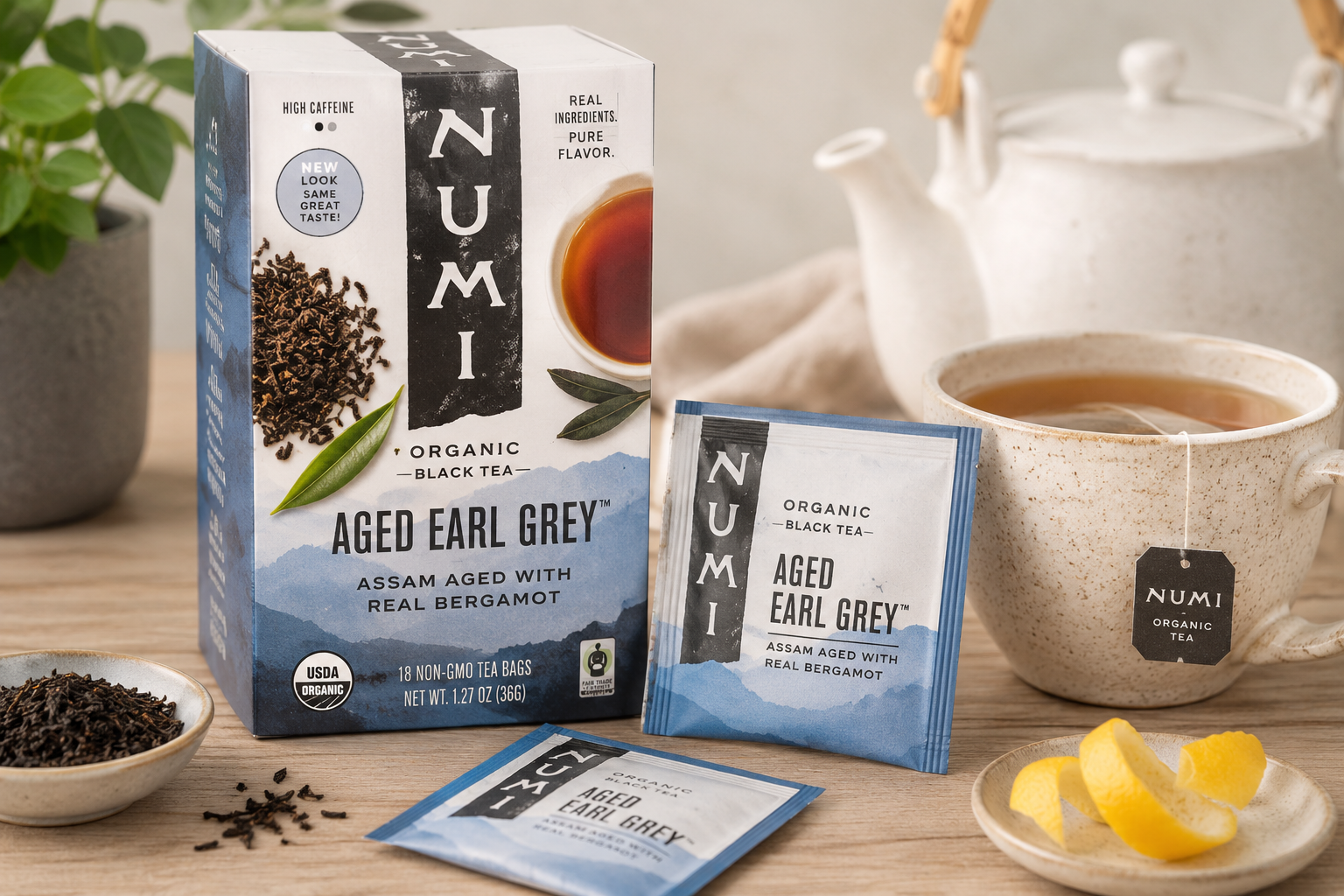
Discover why Numi Organic Aged Earl Grey Tea is the top choice for eco-conscious tea lovers. Learn about its Fair Trade sourcing, authentic bergamot flavor, and sustainable packaging in our comprehensive guide.
Over 80% of millennials and Gen Z consumers actively seek out products aligned with their environmental and ethical values—and tea is no exception. The specialty tea market has transformed dramatically, with sustainability and transparency becoming just as important as taste itself. Numi Organic Aged Earl Grey Tea represents this shift perfectly, combining a genuinely exceptional drinking experience with unwavering commitment to planet and people.
This isn’t your grandmother’s mass-produced Earl Grey. Numi has crafted something special: a black tea blend that honors traditional brewing methods while championing organic farming practices and Fair Trade certification. The brand sources directly from Tonganagaon, India’s largest organic Fair Trade tea estate, where every purchase supports clean water initiatives through their ‘Together for H2OPE’ project. It’s rare to find a product that delivers on both fronts—premium flavor and genuine social impact.
Discover the full story of Numi Organic Aged Earl Grey Tea today.
Throughout this guide, you’ll uncover exactly what makes this tea stand out in a crowded market. We’ll examine the sourcing story behind each cup, break down the flavor profile and brewing techniques, assess the eco-friendly packaging innovations, and help you determine whether this investment aligns with your values and palate.
The Story Behind Fair Trade Sourcing: Where Your Tea Comes From
Tonganagaon Estate Partnership
Numi partners exclusively with India’s largest organic Fair Trade certified tea estate, establishing direct relationships with farmers and transparent supply chains. This partnership means every transaction connects directly to the source, eliminating intermediaries who typically dilute farmer compensation. The estate spans hundreds of acres dedicated to organic cultivation, maintaining soil health and biodiversity standards that exceed conventional requirements.
Together for H2OPE Initiative
Tea purchases fund clean water and sanitation projects in tea-growing communities. This initiative has delivered measurable results: improved water infrastructure, sanitation facilities, and educational programs that enhance quality of life for families working the estate. When you brew a cup of Numi Aged Earl Grey, you’re literally funding wells, filtration systems, and hygiene education that transform communities.
Organic Certification Standards
USDA Organic and Fair Trade Certified credentials verify every step of production meets rigorous environmental and labor standards. These aren’t marketing claims—they’re third-party validated assurances. USDA Organic certification means no synthetic pesticides, herbicides, or fertilizers touch the tea plants. Fair Trade Certified status guarantees fair wages, safe working conditions, and community investment programs.
Direct Trade Relationships
Numi’s sourcing model eliminates middlemen and ensures farmers receive fair compensation directly. Rather than selling to brokers who resell to distributors who eventually reach tea companies, Tonganagaon Estate receives payment based on agreed-upon fair prices that reflect the true value of their labor and land stewardship. This model creates stability for farming families and enables long-term agricultural planning.
Community Impact Metrics
Real-world examples of infrastructure improvements demonstrate tangible outcomes. The Together for H2OPE project has constructed water wells, installed rainwater harvesting systems, and built sanitation facilities serving hundreds of families. Educational initiatives have improved school enrollment and literacy rates among children in tea-growing communities. These aren’t abstract promises—they’re documented improvements that visitors and auditors can verify on-site.
Traceability and Transparency
Consumers can trace their tea back to specific estates and understand the production journey. Numi provides detailed information about which lots came from which sections of Tonganagaon, how the leaves were processed, and which community projects received funding from that particular purchase batch. This level of transparency sets Numi apart from competitors who keep sourcing information proprietary or vague.
Flavor Profile Deep Dive: Assam Base Meets Italian Bergamot
The Robust Assam Foundation
Tonganagaon Assam tea provides a full-bodied, malty backbone that distinguishes this blend. Assam teas from this region develop naturally sweet, honey-like undertones combined with a slightly peppery spice character. The leaves are larger than most black teas, allowing for full flavor extraction without the bitterness that occurs when smaller fragments over-steep. This robust foundation prevents the bergamot from overwhelming the tea—instead, the two elements dance together in balance.
Authentic Italian Bergamot
The distinction between real bergamot oil and synthetic bergamot flavoring profoundly affects the drinking experience. Numi uses genuine Italian bergamot oil, sourced from the Calabria region where the fruit has been cultivated for centuries. Real bergamot carries complex citrus notes with subtle floral undertones. Synthetic alternatives produce a one-dimensional, artificial citrus flavor that tastes chemical and thin. Once you’ve experienced authentic bergamot, the difference becomes obvious—and immediately disappointing when tasting Earl Greys made with imitation flavoring.
Flavor Balance and Complexity
The aged aspect of this tea develops deeper notes and mellows harsh tannins over time. “Aged” refers to the oxidation process and post-harvest aging that allows the leaves to continue developing flavor compounds. This extended maturation creates smoothness that younger Assam teas lack. The result is a cup with remarkable balance—the brightness of bergamot never sharpens into harshness, and the tea’s body never becomes heavy or astringent.
Taste Comparison to Other Earl Greys
Honest assessment reveals that bergamot intensity is moderate compared to traditional London Dry blends. Some Earl Grey enthusiasts who prefer aggressive bergamot flavor may find Numi’s approach understated. However, this moderation appeals to those seeking complexity rather than a one-note citrus punch. The bergamot enhances rather than dominates, allowing the Assam’s character to remain central to the experience.
Aroma and Fragrance Profile
The aromatic experience begins the moment you open the box. The fragrance is immediately noticeable—crisp bergamot with underlying floral sweetness and subtle honey notes. As the tea steeps, the aroma becomes more complex, with the malty Assam notes emerging. The final cup presents a sophisticated aromatic profile that lingers pleasantly in the cup and cups of those sharing the experience with you.
Aftertaste and Finish
Expect a clean, slightly sweet finish that transitions from citrus brightness to the malty warmth of Assam. The aftertaste doesn’t linger aggressively—it fades gracefully, leaving a pleasant memory of the tea rather than a lingering chemical aftertaste. This clean finish indicates high-quality leaves and proper processing, characteristic of premium Earl Greys.
Brewing Variables That Affect Flavor
Water temperature, steeping time, and leaf-to-water ratio significantly influence taste outcomes. Using water that’s too hot (boiling water on the leaves directly) can extract excessive tannins and create bitterness. Water that’s too cool won’t fully develop the flavor. The recommended 4-5 minute steep represents a sweet spot, though personal preference drives adjustment. Using more leaves or steeping longer intensifies flavor; reducing either dimension produces a lighter cup. These variables allow customization based on individual preferences.
Sustainable Packaging: Beyond the Tea Bag
Plant-Based Tea Wrappers
Plant-based tea bags are constructed from cellulose fibers derived from sustainably harvested wood pulp, not the polypropylene mesh used in conventional tea bags. This material choice matters because conventional plastic bags shed microplastics into your cup and persist indefinitely in landfills. Plant-based alternatives break down naturally through composting or standard decomposition.
Compostable Tea Bag Innovation
Numi’s bags break down in home compost systems without leaving microplastics, addressing a growing concern about plastic tea bags contaminating compost and soil. Testing confirms that Numi’s bags decompose within standard composting timeframes. Some customers add used tea bags directly to garden soil, where they decompose and enrich the earth. This circular approach transforms waste into resource.
Recyclable Box Design
Outer packaging uses cardboard constructed from recycled paper content and designed for easy recycling. The boxes require no special handling—standard curbside recycling programs accept them. The minimal printing approach and use of soy-based inks further reduce environmental impact compared to heavily-inked packaging from competitors.
Soy-Based Inks
Plant-derived printing inks offer environmental benefits compared to petroleum-based alternatives. Soy ink production generates less waste, requires lower temperatures to cure, and produces lower volatile organic compound emissions during manufacturing. When boxes eventually break down in landfills or compost, soy-based inks decompose more readily than traditional inks.
Waste Reduction Strategy
The packaging design minimizes environmental footprint across the product lifecycle. Numi eliminated unnecessary plastic windows, excessive padding, and multi-material constructions that complicate recycling. Every design decision considers end-of-life impact, asking whether materials can return to natural systems or recycling streams without contamination.
Experience ethical tea with Numi’s sustainable packaging commitment.
Certifications and Standards
Third-party verifications confirm compostability and recyclability claims. Numi’s packaging carries certifications from organizations that test materials under standardized conditions, ensuring marketing claims reflect reality. Independent verification protects consumers from greenwashing—misleading environmental claims without substance.
Competitive Advantage in Eco-Packaging
Numi’s sustainability approach surpasses most premium tea brands. While competitors tout “eco-friendly” packaging that still contains plastic components, Numi has committed to genuinely compostable and recyclable materials. This differentiator appeals to environmentally conscious consumers who recognize the gap between marketing language and actual sustainability.
Caffeine Content and Energy Considerations
Caffeine Range per Cup
Numi Aged Earl Grey contains between 15 and 70 milligrams of caffeine per 6 to 8-ounce cup, with variation depending on brewing method and steeping duration. Longer steeping times extract more caffeine from the leaves. Using hotter water also increases extraction. This wide range means you can customize caffeine content by adjusting brew parameters.
Comparison to Other Beverages
A typical cup of Numi Aged Earl Grey contains roughly one-third the caffeine of brewed coffee (which averages 95-200 mg) but significantly more than green tea (25-50 mg). Black teas naturally contain more caffeine than green or white teas because they undergo full oxidation, which develops caffeine-rich compounds. If you’re seeking energy without coffee’s intensity, black tea occupies an ideal middle ground.
Timing Recommendations
Morning consumption aligns well with Numi Aged Earl Grey’s caffeine profile, providing a gentle energy boost to start your day. Afternoon consumption works for those without caffeine sensitivity, though finishing black tea by 3 PM prevents potential sleep disruption. Evening consumption should be avoided unless you’re sensitive-free or preparing for activities requiring alertness.
Brewing Techniques to Control Caffeine
Adjusting steep time and water temperature directly affects caffeine extraction. A 2-3 minute steep versus the recommended 4-5 minutes noticeably reduces caffeine content while sacrificing some flavor development. Using water at 190°F instead of 200°F+ also lowers caffeine extraction. These adjustments allow those sensitive to caffeine to enjoy the flavor without unwanted stimulation.
Caffeine Sensitivity Guidance
Individuals sensitive to caffeine or those taking medications that interact with stimulants should moderate intake or employ reduced-caffeine brewing techniques. Pregnant individuals should consult healthcare providers about safe caffeine levels. Those with anxiety disorders may find even moderate black tea caffeine problematic. Understanding your personal sensitivity prevents disrupted sleep and anxiety spikes.
Energy Boost Without Jitters
Numi’s Assam base provides sustained energy without the jittery sensation that coffee sometimes produces. Black tea contains L-theanine, an amino acid that works synergistically with caffeine to produce calm alertness rather than nervous stimulation. The combination of caffeine and L-theanine creates focus and energy without the crash or anxiety that pure caffeine stimulation can trigger.
Afternoon Pick-Me-Up Strategy
Optimal consumption timing for afternoon energy involves brewing in early afternoon (around 2-3 PM at the latest) with a 4-5 minute steep for full caffeine extraction. Pairing with a light snack enhances the energy boost and prevents stomach upset. This timing allows caffeine metabolism to complete before evening sleep preparation begins, typically 6-8 hours later depending on individual metabolism.
Brewing Mastery: Getting the Perfect Cup Every Time
Optimal Water Temperature
Water heated to 200-212°F (93-100°C) brings out the best flavor without over-extracting bitterness. Black teas like Assam require higher temperatures than delicate white or green teas—cooler water won’t fully develop the leaves’ potential. Boiling water won’t scald the robust leaves, but bringing it to full boil and then waiting 30 seconds produces ideal temperature without excessive bitterness. If you lack a thermometer, simply boil water and let it cool for half a minute before pouring.
Steeping Time Guidelines
The 4-5 minute sweet spot balances flavor development with tannin extraction. Starting at 4 minutes and adjusting based on preference allows customization. Some prefer 3-minute steeps for lighter cups; others extend to 6 minutes for deeper flavor. The key is timing deliberately rather than steeping indefinitely until the water cools.
Water Quality Matters
Filtered water produces noticeably cleaner flavor than tap water containing chlorine or minerals. Hard water (high mineral content) can mute bergamot brightness and create slightly muddy flavor. If your tap water is heavily chlorinated or mineral-rich, investing in a simple filter pitcher noticeably improves the final cup. Many find that improving water quality provides more flavor benefit than switching tea brands.
Hot Brewing Method
Step-by-step instructions for traditional hot tea preparation: Begin with a preheated cup or teapot (pour hot water in to warm the vessel, then discard). Place one tea bag in the cup or pot. Pour water heated to 200-212°F directly over the bag. Let steep for 4-5 minutes without squeezing the bag. Remove the bag gently. If desired, add milk or sweetener. Serve immediately while hot.
Iced Tea Preparation
Cold brewing produces smoother, less astringent iced tea. Place one tea bag in a cup filled with room-temperature water and refrigerate for 6-8 hours or overnight. The extended steeping time extracts flavor without excessive tannins. Alternatively, brew hot tea using the above method, cool to room temperature, then refrigerate. Serve over ice with fresh lemon or your preferred additions.
Milk and Sweetener Pairings
Complementary additions enhance rather than mask the bergamot character. A splash of whole milk or cream softens the bergamot’s brightness and adds subtle richness. Honey complements the malty Assam notes beautifully. Lemon enhances citrus notes but can overpower delicate bergamot—use sparingly. Avoid heavily sweetened additions that obliterate the tea’s nuanced flavor profile. The goal is enhancement through harmony, not masking with aggressive flavors.
Re-steeping Potential
Premium leaves support multiple infusions with evolving flavor. After removing the first steep’s water, add fresh hot water for a second or even third brewing. Subsequent steeps require longer timing (5-7 minutes) as the leaves need additional time to release remaining flavor compounds. The flavor profile shifts with each steep—the second steep often tastes smoother and less bergamot-forward than the first.
Price-to-Value Analysis: Is Premium Pricing Justified?
18-Count Box Pricing
Current market pricing ranges from $6.99 to $7.99 per box, translating to roughly 39-44 cents per individual tea bag or cup. This pricing positions Numi at the premium end of the Earl Grey market, higher than mass-market brands but comparable to other specialty tea retailers. Understanding this cost context helps evaluate whether premium pricing aligns with your budget and priorities.
Bulk Purchase Options
Larger quantity orders offer pricing advantages. Purchasing multiple boxes or exploring larger formats can reduce per-cup costs, though savings typically remain modest. Some retailers offer subscription discounts of 10-15%, making regular consumption more economical for committed fans.
Quality Justification
Organic, Fair Trade, and ethically sourced ingredients command premium pricing because they reflect actual supply chain costs. Certified organic farming requires more labor-intensive practices and foregoes synthetic shortcuts. Fair Trade certification requires transparent relationships and fair pricing that benefit farmers. These aren’t marketing layers added to justify inflated pricing—they represent genuine production standards that cost more to maintain.
Competitor Price Comparison
Mass-market Earl Grey teas cost 15-25 cents per bag but use artificial bergamot flavoring and questionable sourcing. Mid-tier specialty brands cost 30-40 cents per bag with better ingredients but similar Fair Trade commitments. Numi’s pricing sits at the premium end, justified by the combination of authentic ingredients, certified sourcing, community impact, and sustainable packaging.
Cost Per Serving Reality
At roughly 40 cents per cup, a daily tea habit costs approximately $12 monthly or $146 annually. For perspective, a daily specialty coffee shop visit costs $5-7 daily, totaling $1,825-2,555 annually. Numi’s Earl Grey provides premium quality at a fraction of café spending. Even compared to home-brewed coffee, the per-serving cost remains reasonable for the quality and ethical alignment.
Long-Term Value Proposition
Health, environmental, and ethical benefits extend beyond immediate price. The organic certification eliminates pesticide residues. The Fair Trade commitment ensures farmer welfare. The sustainable packaging prevents landfill waste. Community impact projects create lasting improvements in tea-growing regions. These benefits create value that spreadsheet calculations can’t fully capture—they represent investments in the kind of world you want to support.
Subscription and Loyalty Programs
Potential savings through repeat purchase options or brand membership vary by retailer. Some online retailers offer automatic shipments with modest discounts. Numi’s official website occasionally features promotions for registered customers. Exploring these options can reduce effective per-cup costs for regular consumers without sacrificing quality or convenience.
Customer Experiences and Real-World Feedback
Consistent Praise Points
Customers repeatedly highlight “great taste,” “high quality,” and “pleasant fragrance” across hundreds of reviews. The “great taste” feedback specifically praises the balance between bergamot and Assam—not too citrusy, not too heavy. “High quality” references the smooth mouthfeel and absence of astringency. “Pleasant fragrance” captures the aromatic experience from opening the box through the steeping process.
Bergamot Intensity Expectations
Managing expectations for those transitioning from heavily flavored Earl Greys proves important. If you’ve primarily drunk Earl Greys with aggressive, artificial bergamot flavoring, Numi’s authentic bergamot approach may initially feel subtle. This subtlety isn’t a deficiency—it’s the mark of real bergamot oil working in harmony with the tea rather than dominating it. Allowing your palate a few cups to adjust typically converts skeptics into enthusiasts.
Quality Consistency
Numi maintains flavor and quality batch-to-batch through rigorous quality control standards. Customers purchasing multiple boxes over months and years report consistent flavor profiles, indicating reliable production processes. This consistency matters because it means your second purchase delivers the same experience as your first, without the variation that sometimes affects specialty food products.
Packaging Durability Feedback
Real user experiences with tea bag integrity and box condition upon arrival are overwhelmingly positive. The plant-based tea bags maintain structural integrity through shipping and storage without degradation. The recyclable boxes arrive in good condition, protecting contents from crushing and moisture. Rare reports of damaged packaging typically relate to shipping mishandling rather than packaging deficiency.
Brewing Success Stories
Common brewing approaches that deliver the best results according to customer reports emphasize simple consistency: heating fresh, filtered water to 200°F, steeping for 4-5 minutes without squeezing the bag, and removing the bag promptly. Customers who follow these guidelines report excellent results. Those who experiment with adjustments (longer steeping for deeper flavor, shorter steeping for delicate profiles) find the tea accommodates personalization.
Minor Concerns Addressed
Occasional reports of milder bergamot than expected typically come from those comparing Numi to heavily flavored Earl Greys. Historical tea bag string issues mentioned in older reviews don’t appear in recent feedback, suggesting Numi addressed this concern in production updates. These minor issues affect very small percentages of customers and don’t reflect systemic quality problems.
Loyalty and Repeat Purchase Rates
Customers continue buying and recommend to others at rates suggesting high satisfaction. Many reviews mention purchasing multiple boxes over extended periods, indicating that initial satisfaction translates to ongoing loyalty. Word-of-mouth recommendations appear frequently in customer feedback, demonstrating that people enthusiastically recommend this tea to friends and family.
Making Your Purchase Decision: Is This Tea Right for You?
Ideal Customer Profile
Those who benefit most from Numi Aged Earl Grey are sustainability-focused, quality-conscious, and ethically motivated consumers. If you prioritize knowing where your food and beverages originate, if you value Fair Trade certification and organic standards, if you’re willing to invest slightly more for assured quality—this tea aligns with your values. The ideal customer views tea purchases as political acts supporting the world they want to create.
Taste Preference Assessment
Determining if the flavor profile matches your Earl Grey expectations requires honest self-assessment. If you prefer aggressive, bold bergamot flavor, Numi’s balanced approach might feel subdued. If you enjoy nuanced teas where multiple flavor notes layer together, you’ll likely love this blend. If you appreciate malty, full-bodied black teas enhanced by subtle citrus, this is an excellent choice. Reflecting on Earl Greys you’ve previously enjoyed helps predict Numi satisfaction.
Value Alignment Checklist
Questions to ask yourself about organic, Fair Trade, and sustainable priorities: Do you actively seek organic products? Is Fair Trade certification important in your purchasing decisions? Does sustainable packaging influence your brand choices? Would you prefer to know that your purchase funds community development? Does environmental stewardship matter in your consumption choices? Affirmative responses to most questions suggest strong alignment with Numi’s brand values.
Dietary and Health Considerations
Caffeine sensitivity, organic certification importance, and ingredient transparency drive purchasing for some consumers. Those with caffeine sensitivities can employ reduced-steeping techniques or choose lower-caffeine alternatives. Those prioritizing organic products find value in USDA Organic certification. Those seeking transparent ingredient lists appreciate Numi’s straightforward composition: Assam tea and bergamot oil—no mysterious flavorings or additives.
Gift-Giving Potential
This tea makes an excellent present for environmentally conscious friends and family. A single box offers a refined, sophisticated gift that signals thoughtfulness. Multiple boxes or a gift subscription shows deeper commitment to their preferences. The ethically sourced aspect means recipients can feel good about enjoying their gift, knowing the purchase supports fair trade practices and community development.
Trial Approach
Purchasing a single box before committing to bulk purchases allows palate compatibility testing. One box costs less than a specialty coffee, making initial investment minimal. If you love the flavor and align with the values, bulk orders or subscriptions become attractive. If the bergamot intensity or flavor profile doesn’t match expectations, you’ve only invested $7 in discovery rather than committing to a larger purchase.
Alternative Scenarios
When other tea options might be better suited to specific needs: If you require extremely high caffeine content, coffee or concentrated black tea might serve you better. If you prefer intensely flavored Earl Greys, brands using higher bergamot-to-tea ratios might satisfy you better. If your budget is extremely tight, mass-market Earl Greys cost less. If you’re caffeine-sensitive, herbal teas or lower-caffeine options like white tea might be preferable. Numi serves its ideal customers exceptionally well; other options may serve different priorities better.
Your Next Step: Joining the Ethical Tea Movement
Choosing Numi Organic Aged Earl Grey Tea isn’t simply about selecting a beverage—it’s about casting a vote for the kind of world you want to support with every sip. The sourcing stories, flavor complexity, and packaging innovations combine to create a product that genuinely delivers on quality and ethics in equal measure. The reality is stark: most Earl Grey teas cut corners with artificial flavorings and questionable sourcing practices. Numi refuses that path.
You’re investing in authentic Italian bergamot sourced from Calabria’s heritage groves. You’re supporting robust Assam leaves from farmers earning fair wages at Tonganagaon, India’s largest organic Fair Trade estate. You’re enabling packaging designed to return to the earth rather than languish in landfills for centuries. At $6.99-$7.99 per box, that’s roughly 39-44 cents per premium cup—a modest premium for genuine quality and measurable impact.
Whether you’re a longtime Earl Grey devotee seeking an ethical upgrade or a newcomer exploring specialty teas, Numi’s Aged Earl Grey deserves serious consideration. Start with a single box, brew it properly using the 4-5 minute steeping guideline, and experience the difference that real ingredients and responsible sourcing make. Your palate will recognize the authentic bergamot and smooth Assam base immediately. Your conscience will appreciate supporting Fair Trade farmers and community water initiatives. Over time, your repeated purchases contribute to documented improvements in tea-growing communities—wells constructed, families served, futures brightened.
Join the ethical tea movement—order your Numi Organic Aged Earl Grey Tea now.

