
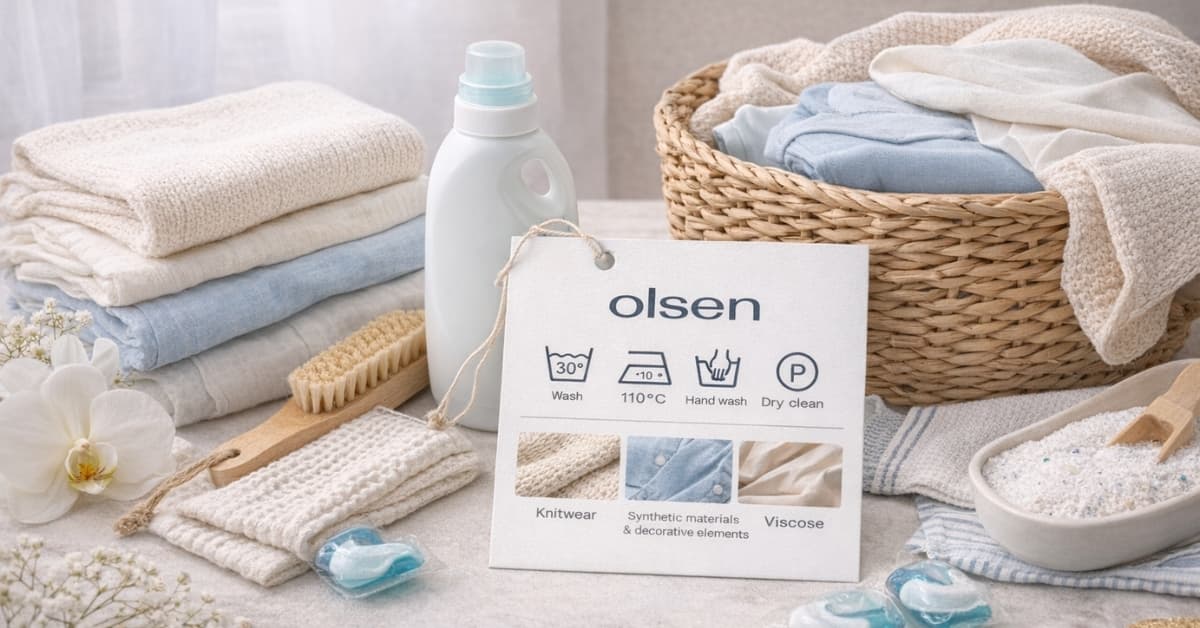
The Ultimate Guide to Olsen Product Care helps you protect fabrics, wash garments correctly, and extend clothing life with expert, practical care tips.
Good clothing feels great, but great clothing stays great with the right care. The Ultimate Guide to Olsen Product Care gives you clear, practical steps to protect your wardrobe and extend the life of every piece you own.
Olsen designs focus on quality fabrics, clean construction, and everyday wearability, which means proper care plays a big role in how long those garments hold their shape and color.
Industry data from the U.S. Environmental Protection Agency shows that extending the life of clothing by just nine months can significantly reduce textile waste and resource use.
That matters when you invest in premium apparel. Garments that receive consistent, fabric-appropriate care show less pilling, reduced fading, and better structural integrity over time, based on apparel retail testing standards and textile care studies.
You already chose well-made clothing. Now it’s time to take care of it properly.
The Ultimate Guide to Olsen Product Care Starts With Care Labels
Care labels do more than offer suggestions. They explain exactly how each garment was designed to be cleaned and maintained.
Ignoring them remains one of the top causes of shrinkage, color loss, and fabric breakdown, according to Consumer Reports’ fabric care testing.
Each symbol reflects real material limits:
- Water temperature controls fiber stress
- Wash cycles affect seam durability
- Drying methods determine shape retention
Olsen garments often use blended fabrics to balance comfort and structure. Those blends need specific handling. Following the label keeps the garment performing as designed and helps preserve its original fit.
How to Wash Olsen Clothing Without Causing Damage
Smart Preparation Makes a Difference
Start by sorting clothes by color and fabric weight. Turn each garment inside out to reduce surface friction. This step protects stitching, texture, and printed details during washing.
Cold water and a gentle cycle work best for most Olsen pieces. For wool blends and knits, hand washing with a mild detergent remains the safest option.
Quality gentle detergents typically retail in the U.S. for $8–$15, based on major retailers like Target and Nordstrom.
Protective Tools That Actually Help
Mesh laundry bags offer real protection for lighter fabrics and structured details. These bags usually cost $6–$12 and reduce stretching during machine cycles. Avoid overloading the washer. Fabric needs space to move, not pressure.
Proper Drying Methods Preserve Fit and Shape
Drying causes more damage than washing when handled incorrectly. Knits should always dry flat. Hanging wet fabric pulls fibers downward and permanently alters shape.
Flat drying on a towel or rack, priced around $15–$30, keeps seams aligned and hems even. Linen pieces benefit most from air drying since heat increases shrink risk.
If a dryer is used, low heat only. Remove items while slightly damp to reduce wrinkle setting.
Ironing and Steaming Olsen Fabrics the Right Way
Heat Control Matters
Low to medium heat prevents shine marks and fiber stress. A press cloth, often priced $3–$8, protects the fabric surface while allowing smooth wrinkle removal.
Why Steam Works Better for Many Fabrics
Steam relaxes fibers without flattening texture. A reliable garment steamer costs $30–$60 and proves especially useful for knits and blended materials. Apparel testing shows steaming reduces surface wear compared to repeated ironing.
Iron linen while slightly damp and always work from the inside on embellished areas.
Smart Storage Solutions for Olsen Garments
Hanging vs Folding
Fold knits and sweaters to avoid shoulder distortion. Use padded or wooden hangers for structured pieces to maintain their shape.
Keep clothing away from direct light. Sun exposure remains a leading cause of fabric fading, even indoors.
Long-Term Storage Protection
Natural moth deterrents like cedar or lavender sachets cost $8–$20 and protect fibers without chemical residue. Breathable garment bags, usually $15–$30, prevent dust buildup while allowing airflow.
Spacing matters. Crowded closets increase wrinkles and fiber compression.
Spot Cleaning and Stain Removal Without Risk
Fast action prevents permanent stains. Gentle stain removers designed for delicate fabrics typically cost $6–$15. Always test on an unseen area first.
Avoid aggressive rubbing. That damages fibers and spreads stains. For tough marks on premium fabrics, professional cleaning offers the safest outcome.
Between washes, fabric refresher sprays priced $5–$12 help maintain freshness while reducing unnecessary laundering.
Fabric-Specific Care Tips for Olsen Pieces
| Fabric Type | Best Cleaning Method | Drying Method | Wrinkle Removal |
|---|---|---|---|
| Cotton | Cold machine wash | Air or low heat | Medium iron |
| Wool & Knits | Hand wash or delicate cycle | Flat dry | Steam |
| Linen | Gentle wash | Air dry | Iron damp |
| Blends | Gentle cycle or hand wash | Air dry | Low heat or steam |
This approach aligns with textile care standards used across premium apparel retailers.
The Long-Term Value of Proper Olsen Clothing Care
Caring for quality clothing protects more than fabric. It protects your time, your budget, and your confidence. Garments that receive consistent care last longer, look better, and feel better with each wear.
Some people worry that careful maintenance takes too much effort. In practice, these habits become routine and reduce the need for replacements. Others rely on dry cleaning alone, though overcleaning with solvents can shorten fabric life.
By following these steps, you keep your wardrobe dependable and polished. Treat your Olsen pieces well, and they continue to deliver comfort, structure, and style for years. Start applying these care habits now and enjoy clothing that works as hard as you do.