
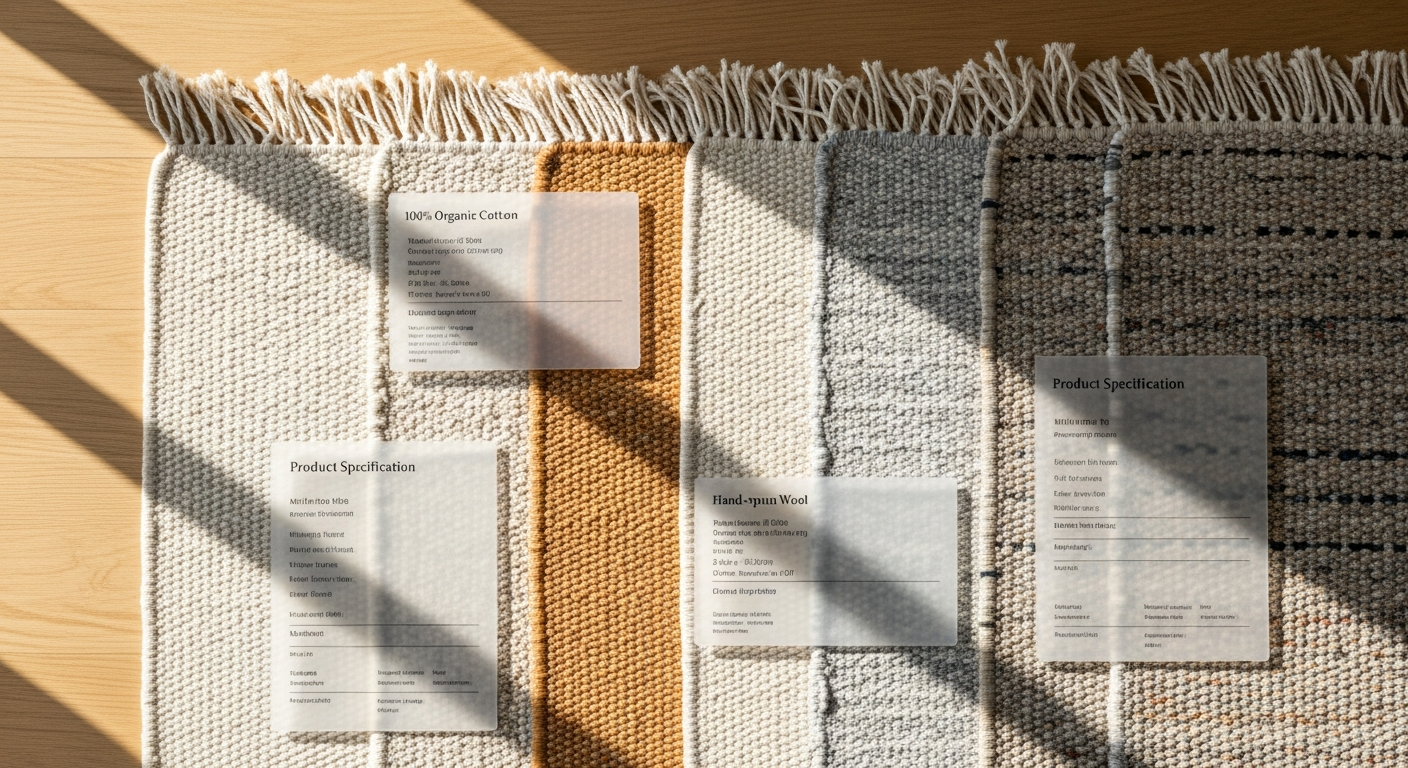
Discover how to navigate online rug shopping with confidence. Learn what to look for when evaluating rug retailers, trending styles, and why product transparency matters.
Shopping for rugs online presents a unique challenge that most consumers face without realizing it. You’re navigating thousands of options, competing retailers, and claims about what’s “best-selling” or “trending”—yet you rarely have access to the actual data behind those claims. The disconnect between what retailers tell you and what you can verify creates a gap where uncertainty thrives.
The rug industry has exploded online over the past few years, with countless retailers competing for attention. From vintage distressed styles to modern geometric patterns, the variety is genuinely impressive—but so is the confusion that comes with it. When evaluating online rug retailers, you encounter a fundamental problem: many vendors provide limited transparency about their bestseller rankings, product specifications, or customer satisfaction metrics.
This guide walks you through the essential criteria for evaluating online rug retailers, breaks down the trending rug styles that genuinely resonate with customers, and explains why product transparency should be your top priority. Understanding how to verify claims and identify trustworthy vendors transforms your shopping experience entirely.
Discover quality rug options and transparent shopping practices at Alfombra.es today.
What Makes a Rug Retailer Trustworthy: Red Flags and Green Lights
Trust in online shopping depends on concrete indicators, not assumptions. When you evaluate a rug retailer, you should look for specific markers that signal whether they operate with integrity.
Verifiable Sales Data and Bestseller Rankings with Transparent Methodology
A retailer worth your business will explain exactly how they determine what’s a bestseller. Do they track sales volume? Customer ratings? Return rates? A vague claim about “best-selling” without methodology is essentially meaningless.
Direct Access to Official Product Listings with Complete Specifications
Complete product information means detailed dimensions, material composition, weight, care instructions, and origin information. Retailers hiding behind minimal descriptions are either uncertain about their products or deliberately vague.
Customer Review Systems That Show Verified Purchases
Reviews from verified buyers carry weight that generic testimonials don’t. A retailer displaying which reviews come from actual customers who purchased and received the product demonstrates confidence in their feedback system.
Clear Inventory Status and Real-Time Stock Updates
Stock information matters. Knowing whether a rug is in stock, backordered, or unavailable helps you make realistic purchasing decisions without unpleasant surprises.
Accessible Customer Service Channels and Responsive Support Teams
When you have questions before or after purchase, you need to reach someone. Multiple contact options—email, phone, chat—and reasonable response times indicate a retailer that values customer relationships.
Detailed Product Photography from Multiple Angles
A single photo tells you almost nothing. Multiple angles, close-ups of texture, and lifestyle shots showing the rug in actual spaces help you understand what you’re actually purchasing.
Honest Pricing Without Hidden Fees or Misleading Discounts
The price you see should be the price you pay. Hidden shipping costs, surprise fees, or artificial “sale” pricing that’s actually the regular price damages trust permanently.
Physical Address and Business Registration Information
Legitimate retailers have a physical presence and business registration. This information should be readily available on their website, not hidden in fine print.
Return Policies That Are Clearly Stated Upfront
A transparent return policy tells you exactly what conditions apply, how long you have, and whether you pay return shipping. Buried or unclear policies signal problems.
Third-Party Certifications or Industry Affiliations
Certifications from industry bodies or partnerships with recognized organizations provide external verification of quality and business practices.
Trending Rug Styles That Actually Sell: What Customers Really Want
Understanding which styles genuinely resonate with buyers requires looking beyond social media hype. Actual purchasing patterns reveal what people choose for their homes, not just what looks aesthetically impressive in photos.
Vintage Distressed Rugs: Timeless Appeal and Versatile Design Potential
Vintage distressed rugs continue to perform strongly across all market segments. Their worn, lived-in appearance appeals to multiple design aesthetics simultaneously. These rugs work in minimalist spaces, eclectic interiors, and traditional homes because their aging process creates visual complexity that adapts to various color palettes.
Boho and Moroccan Patterns: Cultural Aesthetics Meeting Modern Interiors
The boho trend shows remarkable staying power. Customers appreciate the geometric and organic patterns typical of Moroccan designs because they offer visual interest without clashing with contemporary furniture styles. This category succeeds because it bridges cultural authenticity with modern interior design flexibility.
Modern Geometric Designs: Clean Lines for Contemporary Spaces
Geometric patterns satisfy customers seeking clean, organized aesthetics. The appeal here lies in their compatibility with minimalist and industrial design movements, which continue dominating modern home décor trends.
Botanical and Nature-Inspired Prints: Bringing the Outdoors Inside
Nature-themed rugs address a consumer desire to incorporate organic elements into living spaces. Whether through floral motifs or landscape-inspired designs, these rugs tap into a broader movement toward biophilic design principles.
Shag Rugs: Comfort and Texture in High-Traffic Areas
Shag rugs sell consistently because they address practical concerns alongside aesthetic ones. Families with children and pets appreciate the soft texture, while interior designers recognize them as effective texture layers in modern design schemes.
Washable and Low-Maintenance Options: Practicality for Busy Households
This category represents genuine consumer prioritization of functionality. Machine-washable rugs appeal to parents, pet owners, and anyone with active households who want attractive rugs without constant professional cleaning costs.
Anti-Slip Backing: Safety Features That Matter to Families
Safety features have become purchasing criteria, not afterthoughts. Families with young children, elderly residents, or mobility concerns specifically seek rugs with anti-slip technology, making this a meaningful product differentiator.
Size Variations: Understanding How Dimensions Affect Purchasing Decisions
Rug sizing drives purchasing decisions fundamentally. Customers need to understand how a 5×8 rug performs differently than an 8×10 in the same room. Retailers who provide detailed sizing guidance alongside room dimension recommendations see higher conversion rates.
Color Psychology: Neutral Tones Versus Bold Statement Pieces
Purchasing patterns show strong preference for neutral tones that coordinate with existing furniture, yet simultaneously show growing demand for bold statement rugs that anchor interior design schemes. Both categories perform well because they serve different design philosophies.
Material Composition: Natural Fibers Versus Synthetic Blends
Customers increasingly research material composition, considering durability, environmental impact, and maintenance requirements. Natural fibers like wool command premium prices, while synthetic blends offer practical advantages for high-traffic areas.
Explore trending rug styles backed by transparent product information at Alfombra.es.
How to Verify Product Popularity Beyond Marketing Claims
Marketing departments exist to promote products aggressively. Your job as a consumer is determining which claims reflect actual market performance and which are merely persuasive language.
Cross-Referencing Bestseller Lists Across Multiple Established Retailers
If a product appears consistently among bestsellers across multiple major retailers, you’re likely looking at genuine popularity. A rug that ranks as a bestseller only at one retailer might reflect that retailer’s specific customer base rather than broad market appeal.
Analyzing Customer Review Volume and Authenticity Indicators
High review counts suggest actual sales volume. Moreover, examining review patterns—are they consistently positive without nuance, or do they show realistic variation—reveals whether feedback is authentic. Verified purchase badges indicate reviews from actual buyers.
Checking Social Media Mentions and User-Generated Content
Instagram, Pinterest, and interior design communities generate substantial user content. Rugs that appear repeatedly in customer photos and design inspiration boards typically indicate genuine popularity rather than manufactured hype.
Reviewing Industry Reports From Home Décor Publications
Professional interior design publications track market trends through data analysis. These reports provide perspective beyond individual retailer claims, offering insights into broader industry patterns.
Examining Return Rates as an Indicator of Customer Satisfaction
High return rates signal customer dissatisfaction regardless of initial sales volume. Retailers honest about return rates (or those where low return data is visible) demonstrate confidence in their products’ quality.
Comparing Price Points Across Platforms to Identify Fair Market Value
Significant price variations across retailers selling the same rug might indicate one retailer’s aggressive discounting or misleading markup elsewhere. Consistent pricing suggests fair market valuation.
Looking for Consistent Product Recommendations From Interior Designers
Interior designers recommend products based on reliability and customer satisfaction rather than marketing budgets. If design professionals repeatedly suggest a specific rug, that’s meaningful third-party validation.
Assessing How Long a Product Has Maintained Popularity Status
Recent bestsellers might reflect temporary trends, while products maintaining strong sales over years indicate staying power. Evergreen bestsellers provide more reliable choices than flash-in-the-pan trends.
Identifying Seasonal Trends Versus Evergreen Bestsellers
Some rug styles perform well during specific seasons or design cycles. Understanding whether a bestseller represents temporary seasonal demand or consistent year-round appeal influences your purchasing confidence.
Understanding the Difference Between Trending and Best-Selling
Trending products are gaining momentum, while bestsellers have achieved sustained popularity. Both categories matter, but for different reasons. Trending products might offer innovative features, while bestsellers provide proven reliability.
The Importance of Product Transparency in Online Shopping
Transparency fundamentally changes the power dynamic between retailers and customers. When retailers provide complete information, you gain the ability to make genuinely informed decisions rather than educated guesses.
Why Retailers Should Disclose Their Bestseller Methodology
Bestseller claims mean nothing without methodology. A retailer claiming a rug is their bestseller should explain whether that reflects sales volume, customer ratings, or profit margins. Methodology transparency lets you evaluate whether the claim matters for your purchasing decision.
How Transparency Builds Consumer Trust and Loyalty
Customers remember retailers that answer their questions honestly, even when the answers aren’t what they hoped to hear. This honesty creates loyalty that transcends individual transactions.
The Role of Detailed Product Specifications in Reducing Returns
Returns often result from mismatched expectations. When you receive a rug and it doesn’t match your mental image from the product page, you’re dissatisfied. Complete specifications—dimensions, exact colors, material weight, pile height—prevent these disappointments.
Customer Expectations for Honest Product Descriptions
Modern consumers expect accurate descriptions that reflect actual product reality. Overselling features or hiding limitations through vague language violates this expectation and creates resentment.
How to Identify Misleading Marketing Tactics and Exaggerations
Superlatives without specifics (“amazing texture,” “incredible color”) signal marketing language rather than factual description. Specific claims (“pile height of 0.75 inches,” “100% wool with cotton backing”) indicate genuine transparency.
The Impact of Missing Information on Purchasing Confidence
When critical information is absent, confidence erodes. You second-guess your decision, worry about hidden problems, and approach checkout with hesitation. Complete information transforms that hesitation into confidence.
Why Direct Access to Product Data Matters for Informed Decisions
Having access to actual specifications rather than summarized marketing descriptions lets you make decisions based on your specific needs rather than the retailer’s promotional emphasis.
How Transparency Affects Long-Term Brand Reputation
Retailers built on transparency accumulate trust over years and decades. Those relying on misleading marketing eventually face backlash and reputation damage. Long-term success requires honest practices.
The Connection Between Disclosure Standards and Consumer Protection
Transparency standards protect you from exploitation. When retailers must disclose information clearly, you’re protected from hidden fees, misleading claims, and unsafe products.
Building Your Own Verification Checklist for Online Purchases
Create a personal standard: Does this retailer answer my questions completely? Can I verify their bestseller claims? Do they provide detailed specifications? This checklist becomes your assessment tool.
Practical Steps to Shop for Rugs Online with Confidence
Moving from understanding best practices to implementing them requires concrete action steps. These steps transform abstract principles into actual purchasing behavior.
Start With Retailers That Provide Complete Product Information Upfront
Begin your search by filtering for retailers who display detailed specifications prominently. This immediately eliminates vendors hiding behind vague marketing language.
Request Detailed Product Specifications Before Making a Purchase
Contact retailers with specific questions about any rug you’re considering. Their response speed and detail level reveal how seriously they take customer education. Retailers who provide thorough answers demonstrate confidence in their products.
Read Customer Reviews Strategically, Looking for Verified Purchase Badges
Prioritize reviews from verified purchasers and read for specific feedback rather than general praise. Comments about durability, color accuracy, and shipping condition provide actionable information.
Compare the Same Rug Across Multiple Platforms for Pricing Accuracy
If a rug is available from multiple retailers, check pricing across all of them. Significant discrepancies might indicate one retailer’s deceptive pricing or special sales you should understand before purchasing.
Ask Retailers Directly About Their Bestseller Rankings and Methodology
Don’t accept vague bestseller claims. Ask directly how they determine bestsellers, what data they track, and whether they’ll share specific ranking information. Their willingness to answer reveals their commitment to transparency.
Check Return Policies and Shipping Costs Before Checkout
These logistics matter financially. Return shipping costs can equal or exceed a small rug’s value, and long return windows provide safety nets. Understand these details before committing financially.
Verify That Product Photos Match the Actual Item Description
Photos should represent the actual product you’ll receive. If photos show styling that requires assumptions, ask retailers for images of the exact rug variant you’re purchasing.
Use Coupon and Review Aggregator Sites to Cross-Reference Information
Review aggregators compile information from multiple sources and sometimes collect customer reviews from various platforms. These sites provide perspective beyond individual retailer claims.
Request Samples or High-Resolution Images for Color Accuracy
Colors display differently across monitors and lighting conditions. Many retailers offer sample swatches. High-resolution images let you examine texture and color detail that thumbnail photos can’t convey.
Document All Communications With Retailers for Reference
Keep emails, chat logs, and notes about product claims. If something arrives differently than described, you have documentation supporting your case for returns or refunds.
Building Your Rug Selection Strategy: From Research to Purchase
Strategic rug shopping begins before browsing specific products. Foundation work—understanding your space, defining your preferences, and establishing your budget—guides every subsequent decision.
Define Your Space Requirements: Room Size, Foot Traffic, and Aesthetic Goals
Measure your room and honestly assess foot traffic patterns. High-traffic areas need durable, low-maintenance rugs. Formal living rooms can accommodate delicate natural fibers. Families with children need washable options. Space requirements determine acceptable rug categories.
Identify Your Budget Range and Stick to It
Budget sets realistic parameters for material quality, size, and design complexity. Establish a maximum you’ll spend, then research options within that range rather than allowing retailers to push you toward premium options you didn’t plan for.
Research Which Rug Styles Align With Your Interior Design Preferences
Spend time gathering design inspiration. Create mood boards, collect Pinterest images, and note which patterns, colors, and textures consistently appeal to you. This research prevents impulse purchases that don’t match your actual aesthetic.
Create a Shortlist of Retailers Known for Transparency and Quality
Once you understand rug preferences, identify 3-5 retailers that match your transparency standards. This limits your search to vendors you already trust, preventing scattered shopping across unreliable retailers.
Compare Product Options Across Your Shortlisted Retailers
Within your shortlist, compare how different retailers present the same or similar rugs. Which provides clearer information? Better photography? More detailed specifications? This comparison reinforces which retailers prioritize transparency.
Evaluate Customer Feedback Specifically for Durability and Maintenance
Generic positive reviews don’t help much. Look specifically for comments about how rugs have held up over months and years, how easily they clean, and whether colors have faded. Long-term performance matters more than initial impressions.
Factor in Shipping Costs and Delivery Timelines
Budget for shipping and understand delivery timelines before purchase. Some retailers offer free shipping above certain order amounts, others charge based on weight and distance. Delivery speed affects your timeline, so confirm expectations upfront.
Review Warranty and Guarantee Information Thoroughly
Warranties and guarantees provide safety nets if products don’t perform as promised. Understand what’s covered, for how long, and what your obligations are if you need to claim warranty protection.
Make Your Selection Based on Verified Information, Not Hype
When you’ve completed this research, you’ll make your selection grounded in actual data rather than marketing persuasion. Your decision will reflect your needs, your space, and your values—not retailer claims.
Follow Up After Purchase to Share Your Own Honest Feedback
After receiving your rug and living with it for a reasonable period, share your genuine experience. Your honest feedback helps other customers make informed decisions and sends market signals to retailers about what customers actually value.
Your Path Forward: Making Smarter Rug Purchasing Decisions
The rug shopping landscape has transformed dramatically, and with that transformation comes both opportunity and responsibility—yours to demand transparency, and retailers’ to provide it. Transparency isn’t a luxury feature; it’s your fundamental right as a consumer. When you shop online, demand access to complete product information, verified bestseller lists, and honest customer feedback. Don’t settle for retailers that hide behind vague marketing claims or refuse to disclose their sales methodology.
Your purchasing power matters. Using it wisely sends a clear message to the market about what standards you expect. Retailers responding to customer demands for transparency will prosper; those clinging to opaque practices will eventually lose credibility.
As you move forward with your rug shopping journey, apply the verification strategies covered in this guide. Cross-reference information across multiple platforms, ask retailers tough questions, and trust your instincts when something doesn’t add up. The perfect rug for your space exists somewhere in the market, and you deserve to find it through a retailer that values your trust enough to be completely transparent about their products and practices.