
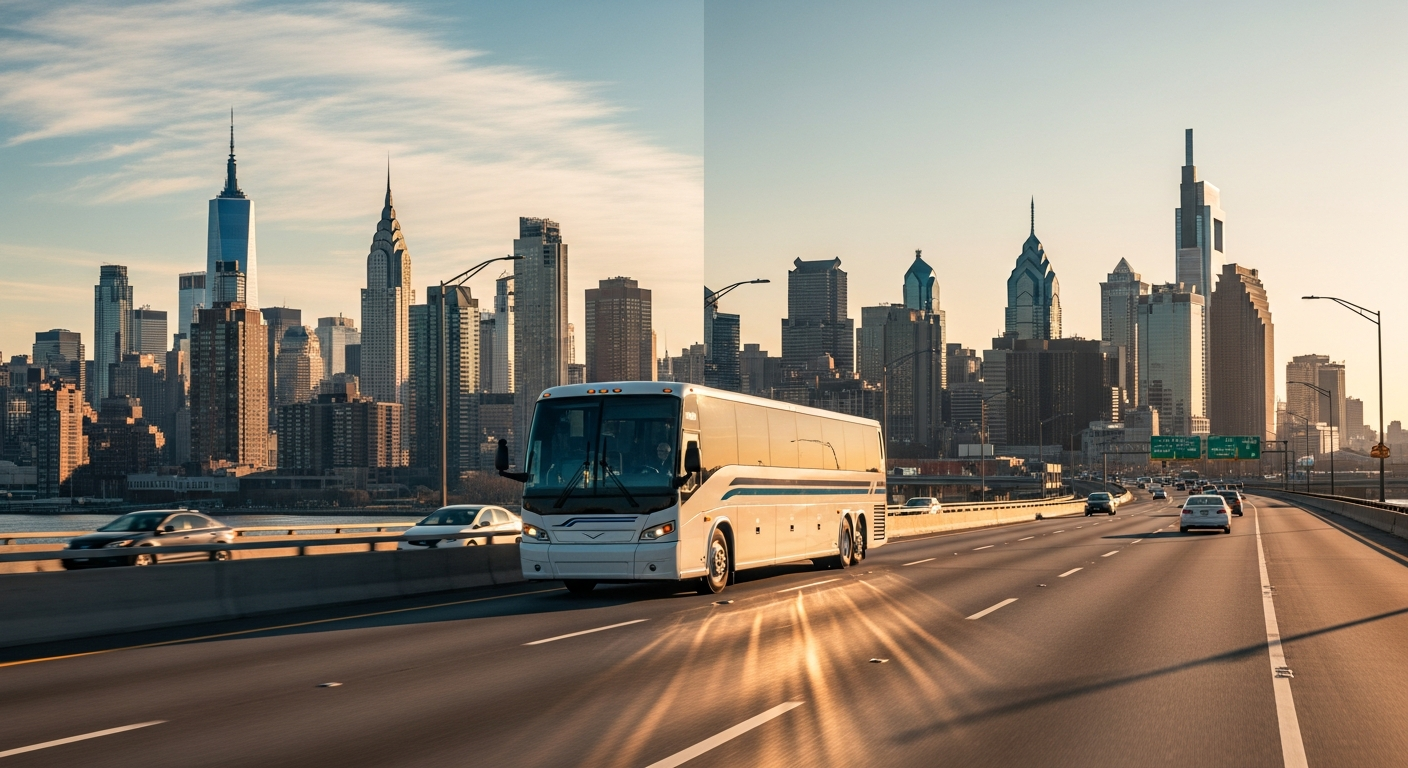
Discover why the OurBus New York City to Philadelphia route is the go-to choice for affordable intercity travel. Compare amenities, pricing, and real traveler experiences on this popular East Coast corridor.
More than 2 million people travel between New York City and Philadelphia annually, and a growing number are abandoning expensive transportation options for smarter alternatives. The shift is reshaping how people move between these two East Coast powerhouses. OurBus operates on a fundamentally different model than traditional bus companies—it crowdsources actual demand from travelers and partners with reliable charter operators, positioning the NYC-to-Philadelphia route as one of their most frequently booked services.
This route has become increasingly popular because it solves a real problem: getting between major cities affordably without sacrificing basic comfort. Whether you're a budget-conscious commuter, a weekend traveler, or someone exploring options for your next trip, understanding what OurBus actually delivers matters.
Book your OurBus ticket from New York City to Philadelphia today.
Real Pricing & Ticket Flexibility on the NYC-Philadelphia Corridor
Starting Fares and Typical Price Ranges
OurBus tickets on the NYC-Philadelphia route typically start in the $10-$19 range for one-way travel, making it immediately competitive with other transportation methods. Most travelers report paying between $15-$30 for standard one-way fares, depending on booking timing and demand. Round-trip tickets generally offer modest savings, with combined fares ranging from $25-$50 when booked together. These price points represent substantial savings compared to Amtrak's Northeast Regional service, which starts around $20-$35 one-way, and significantly undercut ride-sharing options that frequently exceed $40-$60 for this corridor.
Dynamic Pricing and High-Demand Routes
Like most modern transportation services, OurBus employs dynamic pricing on this popular route. Fares increase as departure times approach and demand spikes. Booking 7-14 days in advance typically yields the lowest prices, while same-day tickets can cost 50-100% more. Weekend travel commands premium pricing, particularly Friday afternoons and Sunday evenings when commuters and weekend travelers flood the route. Off-peak weekday morning departures consistently offer the cheapest fares if your schedule permits flexibility.
Comparing Against Competitors
Against Amtrak's Northeast Regional, OurBus wins decisively on price but trades some comfort and reliability. Greyhound, the traditional intercity bus competitor, offers comparable fares but travelers consistently report older vehicles and less frequent Wi-Fi access. Ride-sharing services like Uber Pool or Lyft shared rides can match OurBus pricing on rare occasions, but typically cost 2-3 times more. For driving yourself, gas, tolls, and parking in Philadelphia easily exceed $30-$40, not counting the wear on your vehicle or time spent navigating traffic.
Rebooking and Cancellation Policies
OurBus's 60-minute rebooking window before departure provides genuine flexibility that sets them apart. You can cancel or reschedule at any point up to one hour before departure without penalties—the catch is that refunds typically issue as account credit rather than cash. This policy matters significantly if your plans shift unexpectedly. The credit system works if you're a repeat traveler or plan future trips, but one-time passengers frustrated with cancellations have reported difficulty recovering their money.
Onboard Amenities That Set This Route Apart
Free Wi-Fi and Connectivity Reality
OurBus advertises free Wi-Fi as a standard amenity, and the service does exist on NYC-Philadelphia route buses. Real-world performance, however, tells a different story. Multiple travelers report that Wi-Fi connects consistently through portions of the journey but drops significantly, particularly in the New Jersey section where signal density diminishes. For light browsing and messaging, the Wi-Fi performs adequately. For video streaming, video conference calls, or heavy work tasks, the connectivity proves unreliable enough that business travelers routinely mention it as a concern. Download important files and content before boarding if you plan relying on the connection.
Power Outlets and Charging Access
Each seat includes an accessible power outlet, and many newer buses on this route feature USB charging ports as well. This amenity genuinely impacts the journey, allowing you to arrive with a charged phone, laptop, or tablet. The outlets deliver consistent power—travelers don't report frequent failures or inconsistent charging, making this one of the more reliable onboard features.
Bottled Water, Refreshments, and Seat Comfort
Complimentary bottled water comes with every ticket, addressing basic hydration needs for the 90-120 minute journey. The seats recline partially, providing more comfort than standard upright bus seating but less full-length capability than premium coach services. Legroom sits between traditional buses and luxury coaches—adequate for most people but potentially tight for taller passengers. Snack availability varies; some buses stock additional complimentary items while others offer them for purchase only.
Restroom Facilities and Environmental Control
Onboard restrooms are available and regularly sanitized according to OurBus standards. Climate control generally maintains comfortable temperatures, though individual preference variations are normal on any shared vehicle. Luggage storage capacity accommodates standard carry-on bags and personal items easily; oversized luggage might require stowage in the bus's cargo hold.
The OurBus App Experience & Real-Time Tracking
Mobile Booking and Digital Boarding Passes
The OurBus app streamlines the entire booking process. After selecting your departure date, time, and route, pricing displays instantly with dynamic rates shown transparently. Booking typically requires just a few taps—seat selection is straightforward with available seats marked clearly. Your digital boarding pass generates immediately upon purchase and displays as a QR code within the app, eliminating paper entirely. Drivers scan these codes at departure, making boarding faster than traditional ticket collection.
Real-Time Bus Tracking and Notifications
Once your bus departs, the app's real-time tracking feature shows your vehicle's location on a map updated frequently. GPS accuracy is generally strong along the primary I-95 corridor, though precision degrades slightly in urban pickup/dropoff areas where GPS signals bounce between buildings. Estimated arrival notifications push to your phone as your bus approaches Philadelphia, giving you preparation time for final stops.
Schedule Changes and Customer Service Access
Push notifications alert you immediately if delays occur or schedule changes happen. The app includes direct customer service messaging, allowing you to contact OurBus support directly rather than hunting for phone numbers. Response times vary—simple questions typically receive replies within an hour during business hours, but issues requiring intervention sometimes take longer.
Calendar Integration and Accessibility
The app integrates with smartphone calendars, automatically adding your trip details so travel appears in your schedule. Accessibility features include text size adjustment and screen reader compatibility for vision-impaired users, though reviews suggest the accessibility implementation could be more comprehensive.
The Route Itself: NYC Pickup and Philadelphia Arrival Points
Manhattan Departure Locations
OurBus operates primary pickup locations in Midtown Manhattan, typically near Penn Station and the Port Authority Bus Terminal area. Exact pickup locations can vary slightly depending on which charter operator runs a particular bus, so checking your app for the specific stop the day before travel prevents confusion. These centralized pickup points are accessible via NYC subway and taxi, eliminating the need to drive into Manhattan.
Philadelphia Destination Stops
Most buses arrive at central Philadelphia locations near the 30th Street Station area or Center City locations, making onward travel straightforward. Arriving passengers have immediate access to SEPTA public transit, ride-sharing services, and walking distance to many Center City neighborhoods. The arrival location varies slightly by individual bus scheduling, so confirming your specific arrival point through the app prevents surprise navigation challenges.
Travel Time and Route Frequency
The 90-120 minute journey time is typical, though delays can extend this to 2+ hours during peak traffic periods. Daily departure frequency exceeds 5-10 buses depending on demand, with morning, midday, and evening options available. This frequency ensures you can find a departure time compatible with your schedule on most days.
Peak and Off-Peak Travel Windows
Friday afternoons and Sunday evenings represent peak congestion periods with increased crowds and premium pricing. Wednesday through Thursday mornings offer the opposite experience—cheaper fares, less crowding, and sometimes faster travel times due to lighter traffic. Planning flexibility around off-peak windows saves both money and stress.
Parking and Accessibility Considerations
The NYC pickup location is designed for public transit access rather than parking; driving to the Manhattan pickup point and paying parking fees defeats the cost advantage. Philadelphia arrival areas include nearby parking if you're arranging ground transportation from the destination, though most arriving passengers use public transit or ride-sharing for final-leg connections.
What Travelers Actually Say: Honest Customer Feedback
Praise for Value and Vehicle Condition
Customers consistently highlight the cleanliness of OurBus vehicles compared to other budget carriers. Recent fleet vehicles with modern interiors genuinely stand out against aging Greyhound buses many travelers remember from previous experiences. The affordability factor receives near-universal praise, with travelers frequently mentioning the price-to-comfort ratio as excellent for the budget segment. Reliability and punctuality receive generally positive marks when delays don't occur.
Common Complaints About Wi-Fi and Delays
Wi-Fi reliability emerges as the most frequently mentioned complaint. While it exists, spotty coverage and inconsistent speed frustrate travelers who need dependable connectivity. Delays happen regularly enough that some travelers plan buffer time into their Philadelphia arrival windows. These delays typically range from 15-45 minutes but occasionally exceed an hour due to traffic, mechanical issues, or scheduling complications.
Overcrowding During Peak Travel
Peak-period buses frequently operate at or above comfortable capacity, with standing room only during busy Friday evenings or Sunday afternoons. Overselling occurs occasionally, creating situations where confirmed passengers wait for subsequent buses. Last-minute cancellations also happen, typically handled by rebooking passengers on alternative departures or offering credits.
Staff Professionalism and Overall Satisfaction
Most travelers report professional, courteous bus drivers who handle boarding efficiently. Customer service responsiveness receives mixed reviews—straightforward questions get prompt answers, but compensation requests for major delays sometimes take extended periods. Overall satisfaction ratings trend toward positive (7-8 out of 10) among repeat travelers, though first-time users occasionally report frustration with unexpected issues.
Check real-time availability and book your NYC to Philadelphia OurBus journey.
When OurBus Makes Sense (And When It Doesn't)
Ideal Traveler Profiles
OurBus shines for budget-conscious commuters making regular trips between the cities, weekend travelers flexible on timing, and anyone prioritizing cost savings over premium comfort. College students, remote workers with flexible schedules, and leisure travelers fit the service perfectly. The route works especially well for people who don't require guaranteed high-speed Wi-Fi for work purposes and can tolerate occasional minor delays.
Business Travelers and Time-Sensitive Situations
Business travelers should carefully consider whether the price savings justify potential delays. If you're meeting clients, attending time-critical meetings, or need reliable Wi-Fi for work during travel, the risks might outweigh the savings. Amtrak's Northeast Regional, while more expensive, offers more predictable timing and a quieter work environment. However, business travelers with flexible schedules and good tolerance for potential delays can make OurBus work by building in buffer time.
Family Travel Considerations
Families with young children face mixed outcomes. The 90-minute journey length suits small children better than longer bus rides, and the cost savings allow families to redirect money toward activities at the destination. However, restless toddlers in confined spaces and potential crowding create challenges. Experienced parents often book off-peak departures to minimize crowd stress.
Driving, Amtrak, and Flying Comparisons
Driving yourself costs $30-$50 in tolls and gas plus time in traffic and parking fees—OurBus wins decisively on cost. Amtrak costs roughly double the OurBus price but guarantees Wi-Fi, offers more space, and provides better reliability for time-sensitive travel. Flying makes sense only for longer trips; the total time including airport procedures, security, and airport transfers actually exceeds bus travel for this 90-minute corridor.
Booking Tips & Maximizing Your OurBus Experience
Optimal Booking Windows and Price Monitoring
Booking 7-14 days in advance typically locks in the best available fares for this route. Prices generally decrease the further in advance you book, with the lowest rates available 21+ days out. If you have flexibility, monitoring prices for 3-5 days before your intended travel date occasionally reveals last-minute discounts as OurBus attempts to fill remaining seats. Setting up price alerts through travel fare aggregators helps catch these opportunities without constant manual checking.
Strategic Travel Timing for Shorter Journeys
Weekday morning departures between 8-10 AM consistently offer the shortest travel times due to lighter traffic, plus the cheapest fares. Midday departures (10 AM-2 PM) on weekdays also move quickly with moderate pricing. Friday afternoons and Sunday evenings represent the worst combination of high prices, increased crowding, and longest travel times due to heavy traffic.
Seat Selection and Packing Strategy
Reserve seats slightly forward of center if available—these positions offer the best balance of avoiding bathroom odors (rear proximity) while maintaining stability during stops and turns. Window seats provide a resting surface if you plan sleeping; aisle seats offer easier bathroom access. Pack a small personal item within overhead compartment limits, keeping valuables in your carry-on at all times. Avoid overstuffing luggage that won't fit standard overhead space.
Arrival Preparation and Loyalty Benefits
Exit the bus prepared with your destination address already in your phone's mapping application, eliminating confusion about onward transportation. OurBus occasionally offers loyalty programs and referral credits if you sign up through their app—these accumulate across multiple trips, creating eventual travel discounts. Inviting friends also generates credit if they use your referral code during booking.
Your Next Trip Between These Cities Awaits
The OurBus New York City to Philadelphia route delivers genuine value for travelers willing to accept its limitations. You're genuinely getting modern buses, thoughtful amenities including free Wi-Fi and power outlets, and the ability to adjust plans up to an hour before departure. The pricing consistently undercuts alternatives—often saving $50-100 compared to Amtrak or ride-sharing—and the demand-driven model means this route exists because real travelers want it.
This isn't a luxury travel experience. Wi-Fi can be unreliable, delays happen regularly enough to merit buffer time planning, and peak-hour overcrowding creates legitimate discomfort. Bus travel involves tradeoffs that different people tolerate differently. But for the price point and convenience of traveling between two major East Coast cities, most travelers find the exchange acceptable.
If you're flexible on timing, don't require guaranteed Wi-Fi for critical work, and value saving significant money compared to alternatives, this route absolutely makes sense for your situation. Use the feedback and insights from actual travelers throughout this guide to make an informed decision aligned with your specific priorities. Your wallet—and your schedule—will thank you for choosing thoughtfully.
Start your OurBus booking for New York City to Philadelphia right now.