
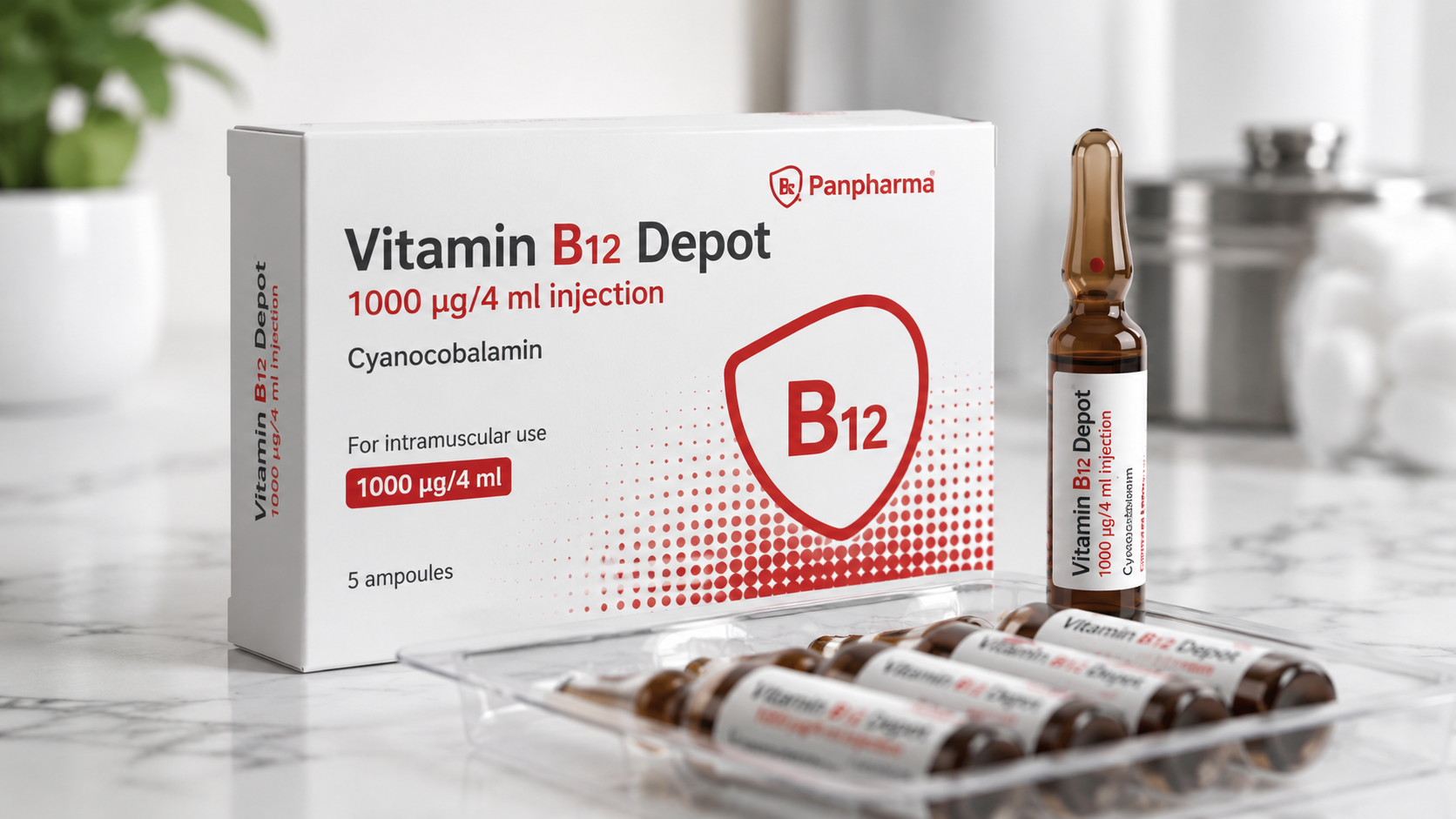
Discover why Panpharma Vitamin B12 Depot injections are the preferred choice for patients with malabsorption issues. Learn about hydroxocobalamin delivery, dosing protocols, and clinical effectiveness in treating B12 deficiency. Order from Apohealth DE.
Vitamin B12 deficiency silently affects an estimated 6-20% of adults over 60, yet the real tragedy lies in how many suffer unnecessarily with oral supplements that their bodies simply cannot absorb. When your digestive system lacks the intrinsic factor needed to process B12, or when conditions like celiac disease and Crohn’s disease damage nutrient absorption, tablets become little more than expensive urine. Panpharma Vitamin B12 Depot injections bypass this biological barrier entirely, delivering 1000 µg/ml of hydroxocobalamin directly into your bloodstream where your body can actually use it.
This guide walks through the complete picture of injectable B12 therapy—from understanding who genuinely needs it to mastering administration protocols and sourcing reliable pharmaceutical products. Whether you’ve struggled with persistent fatigue despite taking supplements or you’ve received a diagnosis of pernicious anemia, the science supporting injectable B12 is compelling and increasingly recognized by healthcare providers worldwide.
Discover how Panpharma Vitamin B12 Depot injections can transform your deficiency management today.
Conditions That Compromise B12 Absorption
Certain medical conditions create a perfect storm for B12 deficiency. Pernicious anemia destroys the cells that produce intrinsic factor, the protein your stomach needs to bind and absorb B12. Autoimmune gastritis follows a similar pattern, gradually eliminating your body’s capacity to process this critical nutrient. Celiac disease and Crohn’s disease damage the intestinal lining itself, reducing the surface area available for nutrient absorption. Post-bariatric surgery patients lose the portion of their stomach or intestines responsible for B12 processing.
For these patients, oral supplements represent an exercise in futility. The B12 simply passes through an unresponsive digestive system without ever entering the bloodstream. This is where the limitations of conventional supplementation become painfully apparent—not because the supplements are inferior, but because your body’s absorption mechanism is compromised beyond repair through dietary intervention alone.
Why Oral Supplements Fail When Intrinsic Factor Is Deficient
Intrinsic factor acts as your body’s B12 escort, binding to the vitamin and ensuring it crosses the intestinal barrier. Without it, even megadose oral supplements cannot overcome the biological barrier. Clinical evidence overwhelmingly demonstrates that patients with intrinsic factor deficiency see minimal improvement in serum B12 levels despite taking high-potency tablets daily. Their symptoms—fatigue, brain fog, neurological tingling—persist because the supplement never reaches systemic circulation.
Healthcare providers recognize this fundamental limitation. When blood tests reveal low B12 alongside symptoms that oral supplementation hasn’t resolved within 3-6 months, the clinical recommendation shifts decisively toward injectable therapy. The evidence isn’t theoretical; it’s documented through thousands of patient outcomes showing dramatic improvement once injections replace ineffective oral approaches.
The Clinical Evidence Supporting Injectable B12 for Severe Deficiency
Randomized controlled trials consistently show that parenteral B12 administration outperforms oral supplementation for patients with malabsorption conditions. Improvement in neurological symptoms occurs faster, deficiency markers normalize more completely, and long-term relapse rates remain significantly lower. These aren’t marginal differences—they represent the distinction between managing symptoms and actually resolving them.
Depot formulations like Panpharma’s offer additional advantages. The sustained-release nature of the injection means your body maintains therapeutic B12 levels throughout the treatment interval, unlike oral supplements that require daily dosing to maintain inconsistent absorption patterns.
How Injection Bypasses the Digestive System Entirely
When hydroxocobalamin enters muscle tissue through intramuscular injection, it enters your bloodstream directly. No intrinsic factor required. No intestinal absorption. No unpredictable bioavailability. The molecule travels through systemic circulation, reaching liver storage sites, red blood cells, and neurological tissues where B12 exerts its therapeutic effects. This direct delivery mechanism ensures that your body receives the full intended dose rather than a fraction of what oral formulations promise.
Hydroxocobalamin vs. Cyanocobalamin—Why Panpharma’s Formula Matters
Chemical Differences Between Hydroxocobalamin and Cyanocobalamin
Two primary forms of injectable B12 exist in pharmaceutical practice: hydroxocobalamin and cyanocobalamin. The difference lies in the ligand—the molecule bonded to the central cobalt atom. Cyanocobalamin contains a cyanide group, a byproduct of industrial B12 synthesis. Hydroxocobalamin features a hydroxyl group instead, making it chemically identical to naturally occurring B12 in your body.
This distinction matters clinically. Your liver converts cyanocobalamin to active methylcobalamin and adenosylcobalamin through metabolic processing. Hydroxocobalamin converts through the same pathway but with superior efficiency and retention rates. For patients already compromised by malabsorption, maximizing conversion efficiency becomes therapeutically significant.
Superior Retention Rates of Hydroxocobalamin in Body Tissues
Research demonstrates that hydroxocobalamin remains in your system 40% longer than cyanocobalamin. Your liver stores hydroxocobalamin more efficiently, and your tissues maintain higher active B12 concentrations throughout the treatment interval. This pharmacokinetic advantage translates directly to extended therapeutic benefit and less frequent dosing requirements for maintenance therapy.
For patients managing long-term deficiency, this retention advantage reduces treatment burden and improves compliance. Fewer injections mean fewer office visits or self-administration sessions, yet therapeutic benefit remains superior to more frequent cyanocobalamin protocols.
Why Hydroxocobalamin Is Preferred for Neurological Symptoms and Long-Term Deficiency
When B12 deficiency affects neurological function—manifesting as peripheral neuropathy, paresthesias, or cognitive impairment—hydroxocobalamin demonstrates superior outcomes in clinical practice. The extended tissue retention ensures that neurological tissues maintain adequate B12 concentration, supporting myelin maintenance and nerve function recovery.
Patients reporting long-standing deficiency before diagnosis particularly benefit from hydroxocobalamin’s sustained action. The cumulative B12 exposure over time supports more complete neurological repair than cyanocobalamin’s shorter tissue residence period.
Conversion Efficiency and Active B12 Activation in Your Body
Your body’s conversion process transforms both forms of B12 into active coenzyme forms: methylcobalamin and adenosylcobalamin. These active forms perform the actual enzymatic work—supporting red blood cell maturation, myelin formation, and DNA synthesis. Hydroxocobalamin converts through this pathway with notably higher efficiency, meaning more of the injected dose becomes active metabolite rather than being excreted unused.
This efficiency advantage becomes particularly relevant for patients with compromised liver function or those whose metabolic capacity is diminished by chronic illness. Panpharma’s hydroxocobalamin formulation maximizes the therapeutic benefit of every injection.
Reduced Toxicity Profile Compared to Synthetic Cyanocobalamin Variants
Cyanocobalamin’s cyanide moiety, while present in tiny amounts, raises theoretical toxicity concerns in patients requiring frequent injections or those with compromised metabolic capacity. Hydroxocobalamin eliminates this concern entirely. The hydroxyl group is biologically inert and doesn’t introduce any potential for accumulation or toxicity even with prolonged treatment.
For patients anticipating lifelong supplementation due to permanent malabsorption conditions, this toxicity profile advantage becomes clinically meaningful. Hydroxocobalamin allows indefinite treatment without metabolic accumulation concerns.
Duration of Action: Sustained Therapeutic Benefit from Depot Injections
Depot formulations dissolve slowly within muscle tissue, maintaining therapeutic B12 concentrations for extended periods. A single Panpharma 1000 µg injection sustains therapeutic benefit for weeks to months depending on your body’s utilization rate and storage capacity. This extended action reduces dosing frequency compared to standard B12 formulations, improving treatment feasibility and patient adherence.
Patients no longer face the choice between frequent injections (weekly or biweekly) and inadequate therapeutic coverage. Depot formulations provide optimal balance between clinical efficacy and treatment practicality.
Panpharma’s Pharmaceutical Formulation Standards and German Regulatory Compliance
Panpharma Vitamin B12 Depot meets stringent German pharmaceutical standards as an apothekenpflichtiges Arzneimittel (pharmacy-only medicine). This classification signals rigorous quality assurance, consistent manufacturing protocols, and regulatory oversight that exceeds standards in many other countries. German pharmaceutical manufacturing carries international reputation for reliability and purity, reflected in Panpharma’s consistent popularity among healthcare providers and patients throughout Europe.
Dosing Protocols and Treatment Schedules for Depot Injections
Standard 1000 µg/ml Concentration and Therapeutic Dosing
Each Panpharma ampoule delivers 1000 micrograms of hydroxocobalamin per milliliter. This concentration represents the therapeutic standard for parenteral B12 administration in most European treatment protocols. The 1000 µg dose provides sufficient intramuscular injection volume (typically 1 ml) for comfortable administration while delivering clinically proven therapeutic benefit.
Patients often receive the entire ampoule content per injection, though some treatment protocols call for partial dosing based on individual factors like body weight or baseline B12 levels. Your healthcare provider determines the appropriate dosing strategy based on your specific deficiency profile.
Typical Injection Frequency: Weekly, Monthly, or Maintenance Schedules
B12 treatment progresses through distinct phases. Initial loading phase protocols typically involve weekly injections over 4-8 weeks, rapidly replenishing depleted stores and initiating symptom resolution. Maintenance therapy shifts to less frequent intervals—every 4 weeks for ongoing deficiency management, or every 3 months for some patients with stable long-term conditions.
This phased approach maximizes early therapeutic benefit while minimizing long-term treatment burden. Patients experience symptom improvement during the loading phase, then transition to maintenance intervals compatible with their lifestyle and work schedules.
How Healthcare Providers Determine Personalized Dosing Based on Deficiency Severity
Initial serum B12 levels, symptoms severity, and underlying condition type all inform personalized dosing decisions. Patients with severe neurological involvement or serum B12 levels below 200 pg/ml typically require aggressive loading phases with weekly injections. Those with mild deficiency or better-preserved baseline function may benefit from biweekly loading followed by longer maintenance intervals.
Your healthcare provider reviews baseline labs, assesses symptom severity, and discusses treatment goals before establishing your specific protocol. This individualized approach ensures therapeutic efficacy without unnecessary treatment burden.
Loading Phase Versus Maintenance Phase Treatment Protocols
Loading phase aims to replenish depleted B12 stores as rapidly as clinically appropriate. Weekly injections over 4-8 weeks achieve this goal, raising serum levels from deficient ranges into the normal or high-normal range. During this phase, patients typically notice symptom improvement beginning within 1-2 weeks, with progressive enhancement throughout the loading period.
Once stores are replenished, maintenance therapy sustains adequate B12 status with less frequent injections. Monthly or quarterly intervals prevent reaccumulation of deficiency while avoiding excessive supplementation. Many patients continue maintenance therapy indefinitely if underlying malabsorption conditions persist.
Monitoring B12 Levels During Treatment to Assess Efficacy
Repeat serum B12 measurements after 4-8 weeks of loading phase therapy confirm that your levels are rising appropriately. Measurements during maintenance phase ensure that your dosing interval maintains therapeutic benefit without allowing levels to decline again. Follow-up testing also helps your healthcare provider identify whether dosing adjustments would optimize your individual response.
Some patients require slightly higher doses or more frequent intervals than standard protocols suggest. Others achieve excellent response with less frequent administration. Lab monitoring personalizes this optimization process.
Expected Timeline for Symptom Improvement: Energy, Neurological Function, Cognitive Clarity
Fatigue often improves within 1-2 weeks of starting treatment, though complete resolution of energy deficits may require 4-8 weeks. Cognitive improvement—clearing of brain fog, enhanced mental clarity—typically follows a similar timeline, with noticeable progress evident by week 2-3 and substantial improvement by week 6-8.
Neurological symptoms involving peripheral nerves or nerve damage recovery progress more gradually. Peripheral neuropathy improvements often take 8-12 weeks to become apparent, with continued improvement extending over months as myelin repair progresses. Patients with long-standing neurological involvement may require ongoing therapy for 6-12 months to achieve maximal neurological recovery.
Adjusting Dosage Based on Individual Response and Lab Results
Some patients achieve excellent response with standard 1000 µg doses on standard intervals. Others benefit from higher doses or more frequent administration. Early follow-up assessments after 4-6 weeks of loading phase treatment reveal your individual response pattern, allowing healthcare providers to adjust protocols accordingly.
Similarly, if maintenance therapy intervals allow serum levels to decline below your optimal range despite standard monthly dosing, your provider might recommend 3-week intervals instead. Conversely, some patients maintain excellent levels with quarterly administration. This personalization ensures therapeutic benefit matched precisely to your individual metabolism and utilization rates.
Administration Best Practices and Safety Considerations
Intramuscular Versus Subcutaneous Injection Techniques for B12 Depot Formulations
B12 depot injections are administered intramuscularly, typically into the deltoid muscle of the upper arm or the gluteus maximus of the buttock. Intramuscular administration allows the depot formulation to dissolve slowly within muscle tissue, maintaining therapeutic concentrations over extended periods. Subcutaneous administration (just beneath the skin) doesn’t provide the same sustained release advantage for depot formulations.
Proper intramuscular technique requires appropriate needle length and angle to ensure the medication reaches muscle tissue rather than subcutaneous fat. Your healthcare provider or injection nurse demonstrates correct technique for self-administered injections, or you can receive injections at your healthcare facility if professional administration is preferred.
Proper Injection Sites and Rotation Protocols to Prevent Tissue Damage
The deltoid and gluteus maximus muscles tolerate repeated injections well when injection sites are rotated appropriately. Upper arm injections alternate between left and right deltoid. Buttock injections alternate between left and right gluteus muscles, with each injection placed in a slightly different location within the target muscle to prevent localized irritation.
Rotating sites prevents lipohypertrophy (fatty tissue buildup) and ensures consistent medication absorption. Patients receiving frequent injections during loading phase should plan their rotation schedule carefully, using all available sites before returning to previously used locations.
Self-Administration Training and When Professional Administration Is Necessary
Many patients successfully self-administer intramuscular B12 injections after receiving proper training. Your healthcare provider or nurse demonstrates injection technique, needle handling, and site rotation during initial appointments. Initial self-administered injections may occur under supervision to confirm proper technique before proceeding independently.
Some patients prefer professional administration regardless of capability—particularly if they’re uncomfortable with needles or have mobility limitations. Healthcare facilities offer injection clinics specifically for patients requiring periodic B12 treatment, providing professional administration without requiring ongoing doctor’s office visits.
Sterile Handling Procedures for Ampule-Based Injectable Medications
Panpharma B12 comes in glass ampules requiring proper opening technique. Snap the colored ampule neck quickly and firmly to break the glass seal—the neck typically breaks cleanly without creating sharp edges. Use an alcohol swab to clean the exposed opening, then draw the medication into a sterile syringe using a sterile needle.
Never touch the interior of the ampule or the sterile needle tip. Maintain sterile technique throughout the entire preparation process to prevent infections. If you’re uncertain about proper ampule handling, request training from your healthcare provider or nurse before self-administering.
Potential Side Effects and Adverse Reactions (Rare but Worth Knowing)
B12 injections are remarkably well-tolerated. Most patients experience no side effects whatsoever. Rare occurrences include mild injection site pain, slight bruising at the injection location, or transient flushing. These minor effects typically resolve within hours.
True allergic reactions to B12 injections are exceedingly rare. Anaphylaxis or severe reactions have been documented but represent medical rarities. If you experience unusual symptoms following injection—significant swelling, difficulty breathing, or severe allergic responses—seek immediate medical attention. Your healthcare provider should know about any previous allergic reactions to medications before starting B12 therapy.
Contraindications and Drug Interactions to Discuss With Your Healthcare Provider
B12 injections have minimal contraindications. Patients with cobalt sensitivity (extremely rare) should avoid hydroxocobalamin, though cyanocobalamin would remain an option. Certain medications don’t contraindicate B12 therapy but may affect absorption or metabolism, warranting dosing adjustments.
Medications affecting B12 metabolism or absorption include metformin (diabetes medication), proton pump inhibitors (acid reflux treatment), and certain antibiotics. Discuss your complete medication list with your healthcare provider to identify any potential interactions before starting B12 injections.
Storage Requirements for Panpharma Ampules to Maintain Potency
Panpharma B12 ampules should be stored at room temperature, protected from direct light and extreme heat. Freezing damages the medication and renders it unsuitable for use. Most patients maintain their ampules in a cool, dark cabinet or drawer, away from bathrooms where humidity and temperature fluctuations might occur.
Inspect ampules before use—discolored solutions or visible particles indicate damaged medication that shouldn’t be used. When stored properly, Panpharma ampules maintain full potency for years, making bulk ordering practical and cost-effective.
The Practical Advantage of Ordering from Apohealth DE
International Shipping Capabilities and Accessibility for Patients Outside Germany
Apohealth DE ships Panpharma Vitamin B12 Depot injections internationally, extending access to this quality product far beyond Germany’s borders. Patients throughout Europe and beyond can order with confidence, knowing that their medication undergoes appropriate pharmaceutical handling during transit. International shipping means patients without local access to hydroxocobalamin injections can obtain them reliably without relying on limited local pharmacy inventories.
Competitive Pricing: €10.22 per 10-Ampoule Pack Versus Local Pharmacy Costs
Apohealth DE prices 10-ampoule Panpharma packs at approximately €10.22, often discounted from the standard €10.99 retail price. Compare this to local pharmacy markups in most countries where B12 injections often cost €25-50 per vial. Bulk ordering from Apohealth DE reduces per-dose costs dramatically, making long-term B12 therapy financially sustainable for patients requiring indefinite supplementation.
For patients anticipating years of maintenance therapy, this cost difference translates to hundreds of euros in annual savings. Bulk ordering becomes economically rational when you’re managing chronic malabsorption conditions requiring lifelong treatment.
Pharmacy-Only Medicine Classification and Quality Assurance
Panpharma’s apothekenpflichtiges Arzneimittel designation means it’s regulated as a pharmacy-only medicine in Germany, requiring purchase through licensed pharmacies rather than over-the-counter channels. This classification ensures consistent manufacturing standards, rigorous quality control, and reliable product purity. Apohealth DE maintains proper pharmacy licensing and pharmaceutical handling protocols, guaranteeing that the product you receive meets all regulatory requirements.
Reliable Delivery Timelines and Tracking for Injectable Medications
Apohealth DE maintains reputation for dependable delivery of temperature-sensitive pharmaceutical products. Order tracking allows you to monitor your shipment, and delivery timelines remain predictable—critical factors when managing medications you depend on for health maintenance. Customers consistently report receiving orders within expected timeframes without quality issues or damage during transit.
Apohealth DE’s Reputation for Handling Temperature-Sensitive Pharmaceutical Products
Injectable medications require careful handling during storage and transit to maintain potency. Apohealth DE demonstrates expertise in pharmaceutical shipping, protecting products from temperature extremes and light exposure during international delivery. Customer reviews frequently commend their careful packaging and attention to pharmaceutical handling standards.
Ordering Process for Prescription Medications and Documentation Requirements
Apohealth DE requires appropriate documentation before shipping prescription medications. Depending on your country’s regulations, you may need to provide a current prescription from your healthcare provider. The ordering process is straightforward—select your product quantity, upload required documentation, and proceed with payment. Once verification is complete, your medication ships promptly.
Patients should verify their country’s specific requirements for importing injectable medications before placing orders. European Union countries generally accommodate intra-EU pharmacy shipments with minimal barriers, while some countries outside the EU maintain stricter import regulations requiring additional documentation.
Cost-Effectiveness of Bulk Ordering for Long-Term Maintenance Therapy
Ordering multiple 10-ampoule packs at once maximizes savings and ensures consistent supply for months of treatment. A patient on monthly maintenance therapy might order 12 packs (10 ampoules each) at once, guaranteeing a year’s supply at bulk pricing. This approach minimizes per-dose costs while ensuring you never face treatment interruptions due to supply issues.
Proper storage of bulk orders maintains medication potency indefinitely, making this strategy both economically sound and practically feasible for patients with chronic conditions requiring lifelong management.
Real-World Outcomes—When Patients Switch to Injectable B12
Case Studies of Patients With Malabsorption Who Found Relief Through Panpharma Injections
Maria, a 58-year-old with pernicious anemia, struggled for three years with persistent fatigue despite taking high-potency B12 tablets daily. After her gastroenterologist recommended switching to hydroxocobalamin injections, she began Panpharma therapy with weekly loading phase injections. By week four, she reported energy levels approaching normal and substantial improvement in her persistent brain fog. After transitioning to monthly maintenance injections, she’s maintained excellent quality of life for over two years.
Robert, diagnosed with celiac disease ten years prior, developed progressive neurological symptoms—peripheral neuropathy affecting both feet—despite managing his celiac condition meticulously. Six months of ineffective oral B12 supplementation preceded his switch to Panpharma injections. Monthly injections initiated clear neurological improvement, with his tingling sensations substantially resolving over six months of ongoing therapy. He now receives quarterly maintenance injections with sustained neurological stability.
Improvement in Fatigue, Brain Fog, and Neurological Symptoms
Patients report remarkably consistent patterns of symptom improvement following injectable B12 initiation. Fatigue reduction begins within 1-2 weeks, often dramatically improving quality of life by week 3-4 of loading phase therapy. Cognitive improvements—enhanced mental clarity, improved focus, resolution of brain fog—typically progress parallel to fatigue improvement.
Neurological symptoms show more gradual resolution but ultimately more complete reversal than oral supplementation achieved. Paresthesias, numbness, and peripheral nerve function gradually normalize over weeks to months as myelin repair progresses.
Recovery Timelines for Different Deficiency Severity Levels
Mild deficiency often resolves with 4-6 weeks of loading phase therapy, with complete symptom resolution by 8 weeks. Moderate deficiency typically requires 8-12 weeks of loading therapy with ongoing improvement extending to month 4-6. Severe deficiency with significant neurological involvement may require 3-6 months of loading phase therapy followed by extended maintenance therapy, with neurological recovery potentially continuing for 12 months or longer.
These timelines remain variable based on individual factors—age, duration of deficiency before treatment, severity of baseline symptoms, and overall health status all influence recovery speed.
Patient Testimonials on the Convenience of Depot Formulations
Patients consistently praise depot formulations for their practical convenience. Monthly or quarterly injection intervals fit easily into normal routines without requiring frequent healthcare visits or intrusive treatment schedules. Working patients particularly appreciate the minimal time commitment—a single monthly or quarterly injection versus daily supplement regimens.
Parents managing B12 deficiency report that depot injections simplify medication adherence, especially compared to remembering daily oral supplements. The visible improvement following injection initiation reinforces motivation to maintain the treatment schedule.
Long-Term Quality-of-Life Improvements and Sustained Energy Levels
Patients maintaining consistent injectable B12 therapy report sustained high energy levels, mental clarity, and neurological stability extending years into treatment. These improvements extend far beyond symptom resolution—patients report returning to activities they abandoned due to deficiency-related fatigue, engaging more fully in work and family life, and experiencing overall quality-of-life improvements they’d thought lost permanently.
Long-term maintenance therapy maintains these gains indefinitely for patients with permanent malabsorption conditions. The contrast between their pre-treatment deficiency state and their current functioning becomes the clearest measure of injectable therapy’s impact.
Neurological Recovery in Cases Where Oral Supplements Caused Delays
Patients who spent years managing B12 deficiency with ineffective oral supplements often experience accelerated neurological recovery once injectable therapy begins. The rapid achievement of therapeutic B12 levels allows faster myelin repair and neurological function restoration. Many report that switching to injections earlier—before years of neurological compromise—would have prevented some residual symptoms.
Healthcare providers now increasingly recommend injectable therapy promptly when oral supplementation proves ineffective, recognizing that delays increase risks of permanent neurological damage.
Healthcare Provider Perspectives on Patient Compliance and Treatment Success Rates
Physicians managing B12 deficiency consistently report superior outcomes with injectable therapy compared to oral supplements. Patient compliance improves dramatically when they experience clear symptom improvement—the visible benefit of injections motivates consistent treatment adherence. Success rates for resolving deficiency and preventing recurrence exceed 95% with appropriate injectable protocols.
Healthcare providers also appreciate the objective parameter provided by injection therapy—serum B12 levels correlate directly with dosing intervals, allowing precise optimization of treatment schedules. Oral supplementation introduces unpredictable absorption variables that complicate treatment management.
Complementary Strategies to Maximize B12 Injection Therapy
Dietary Adjustments to Support B12 Status and Overall Absorption
While injectable B12 bypasses absorption limitations, dietary sources continue supporting overall nutritional status. B12-rich foods—meat, fish, eggs, dairy—provide nutritional foundation. For vegetarians and vegans, fortified cereals and nutritional yeast supply dietary B12, though supplementation becomes necessary for those with malabsorption conditions.
Addressing underlying nutritional deficiencies supports overall health and enhances B12 therapy efficacy. Many patients with celiac disease or Crohn’s disease require additional micronutrient support beyond B12 supplementation.
Addressing Underlying Conditions That Contribute to Malabsorption
B12 therapy addresses the deficiency symptomatically, but resolving underlying conditions improves overall health. Patients with celiac disease benefit from strict gluten avoidance, allowing intestinal healing. Crohn’s disease patients benefit from appropriate inflammatory bowel disease treatment. Post-bariatric surgery patients require ongoing micronutrient monitoring and supplementation across multiple nutrients.
Working with gastroenterologists or primary care providers to optimize management of underlying conditions enhances overall outcomes and may eventually reduce B12 supplementation requirements in some cases.
Supplementary Nutrients Working Synergistically With B12 (Folate, Iron, Methylcobalamin)
Folate and B12 work synergistically for red blood cell production and neurological function. Patients with concurrent folate deficiency benefit from folate supplementation alongside B12 therapy. Iron deficiency often accompanies B12 deficiency from malabsorption conditions, requiring separate iron supplementation for complete correction.
Some patients benefit from additional methylcobalamin (active B12 form) supplementation alongside hydroxocobalamin injections, particularly those with significant neurological involvement or genetic variations affecting B12 metabolism. Your healthcare provider can recommend appropriate complementary supplementation based on your specific nutrient status.
Lifestyle Factors That Influence B12 Metabolism and Retention
Adequate sleep supports metabolic processes including B12 utilization and storage. Regular physical activity enhances circulation and nutrient delivery to tissues. Stress management supports overall digestive and metabolic health. Alcohol moderation becomes important for patients with gastrointestinal conditions affecting absorption.
These lifestyle factors don’t replace injectable B12 therapy but optimize the therapeutic environment supporting better outcomes.
Regular Monitoring Schedules and Follow-Up Lab Work
Initial treatment progress assessment occurs at 4-8 weeks, measuring serum B12 levels to confirm appropriate therapeutic response. Subsequent monitoring occurs at 3-6 month intervals during maintenance therapy, ensuring that dosing intervals maintain optimal levels without allowing reaccumulation of deficiency.
Annual comprehensive health assessments ensure that overall treatment strategy remains appropriate and that no additional nutritional deficiencies develop. Healthcare providers adjust protocols based on lab results and symptom assessment.
When to Combine Injectable B12 With Other Therapeutic Interventions
Patients with complex malabsorption conditions may benefit from combined supplementation addressing multiple nutrient deficiencies simultaneously. Those with concurrent neurological conditions might benefit from additional supportive therapies alongside B12 injections. Healthcare providers determine appropriate combination strategies based on your complete clinical picture.
Patient Education Resources for Long-Term Deficiency Management
Becoming informed about your condition empowers effective self-management. Understanding your specific malabsorption condition, recognizing early warning signs of deficiency recurrence, and maintaining awareness of symptoms that warrant healthcare provider consultation all support optimal outcomes.
Patient organizations and online resources provide education about B12 deficiency and malabsorption conditions, connecting you with others managing similar challenges and providing practical management strategies.
Addressing Common Questions About Depot B12 Injections
Are Injectable B12 Treatments Painful or Uncomfortable?
Most patients report minimal pain with B12 injections. The injection itself creates brief mild discomfort—comparable to minor skin pinprick sensations—lasting seconds. No ongoing pain occurs after injection completion. Proper injection technique minimizes discomfort, and rotation of injection sites prevents localized irritation or soreness.
Patients who initially fear needle injections typically report that actual experience proves far less uncomfortable than anticipated, especially after experiencing the symptom relief injections provide.
How Quickly Will I Notice Improvements After Starting Injections?
Fatigue improvement often becomes apparent within 1-2 weeks of starting treatment. Cognitive improvements typically follow within 2-3 weeks. These early improvements motivate consistent treatment adherence and provide positive reinforcement that therapy is working.
Neurological symptom improvement progresses more gradually but still becomes noticeable within 4-6 weeks, with continued improvement extending over months.
Can I Self-Administer Panpharma Injections at Home?
Yes, many patients successfully self-administer after proper training. Your healthcare provider or nurse demonstrates technique, and you practice under supervision before proceeding independently. Some patients prefer professional administration regardless of capability, which remains available through healthcare facilities.
What Happens If I Miss a Scheduled Injection?
Missing a single injection rarely causes immediate symptoms, though slight fatigue increase might occur if you’re considerably past your scheduled date. Resume your next injection as soon as feasible and continue your normal schedule thereafter. Extended delays beyond 2-3 weeks past your scheduled date risk gradual symptom recurrence as B12 levels decline.
Maintaining a calendar reminder prevents missed injection mishaps, and setting phone alerts ensures you don’t lose track of your schedule.
Are There Any Long-Term Risks Associated With Regular B12 Injections?
B12 is water-soluble; excess amounts are excreted through urine, preventing accumulation toxicity. Patients receiving B12 injections monthly or quarterly for decades maintain excellent safety profiles. True long-term risks from therapeutic B12 injection doses are essentially nonexistent.
Hydroxocobalamin particularly eliminates theoretical toxicity concerns associated with cyanocobalamin’s tiny cyanide content. Lifelong therapy remains safe and appropriate for patients with permanent malabsorption conditions.
How Do I Know if My Dosage Is Appropriate for My Condition?
Serum B12 levels measured 4-8 weeks after starting treatment reveal whether your dosing is adequate. Levels should rise from deficient ranges into normal or high-normal range. Symptom improvement provides parallel objective assessment—adequate dosing produces clear improvement in fatigue, cognitive function, and neurological symptoms.
If levels remain low or symptoms persist despite treatment, your healthcare provider increases dosage or shortens treatment intervals. Conversely, if levels become excessively elevated or if symptoms suggest overtreatment, intervals might lengthen.
Can Injectable B12 Interact With Medications I’m Currently Taking?
Injectable B12 has minimal medication interactions. Medications affecting oral B12 absorption don’t impact injectable administration since B12 enters systemic circulation directly. Certain medications affecting B12 metabolism—particularly those affecting liver function—might warrant dose adjustments, but true contraindications are rare.
Discuss your complete medication list with your healthcare provider before starting B12 therapy to identify any potential considerations specific to your treatment regimen.
Making the Switch—Your Path Forward With Injectable B12 Therapy
Consulting With Your Healthcare Provider About Injectable B12 Options
Schedule an appointment with your primary care provider or relevant specialist to discuss whether injectable B12 therapy aligns with your clinical picture. Bring recent blood work showing current B12 levels and a list of your current symptoms. Be prepared to discuss how long you’ve experienced symptoms and what supplementation approaches you’ve already tried.
Your healthcare provider assesses whether malabsorption conditions or other factors suggest that injectable therapy is appropriate for your situation.
Discussing Panpharma Vitamin B12 Depot as a Specific Formulation Choice
Once your healthcare provider recommends injectable B12, discuss specific formulation options. Panpharma’s hydroxocobalamin depot formulation offers advantages over cyanocobalamin alternatives—superior tissue retention, fewer required injections, and eliminated theoretical toxicity concerns. Your provider can confirm whether Panpharma specifically is available through your local healthcare system or whether ordering through Apohealth DE is your most practical access route.
Preparing for Your First Injection Appointment and What to Expect
Your first injection appointment typically includes basic medical assessment, discussion of technique and administration, and the injection itself. Wear comfortable clothing allowing easy access to your injection site—upper arm or buttock. Arrive a few minutes early and let your healthcare provider know if you have needle anxiety; they can employ strategies making the experience more comfortable.
The injection itself lasts seconds. You’ll feel brief pressure at the injection site, then it’s complete. Most patients experience some surprise at how brief and tolerable the experience actually is.
Creating a Treatment Schedule That Fits Your Lifestyle and Medical Needs
Work with your healthcare provider to establish an injection schedule aligning with your life circumstances. If you work standard business hours, monthly injections scheduled on your regular healthcare appointment day might be convenient. If you prefer home administration, establish a schedule allowing self-injection at times suiting your routine.
Document your treatment schedule clearly and set reminder alerts preventing missed doses. Consistency supports optimal