
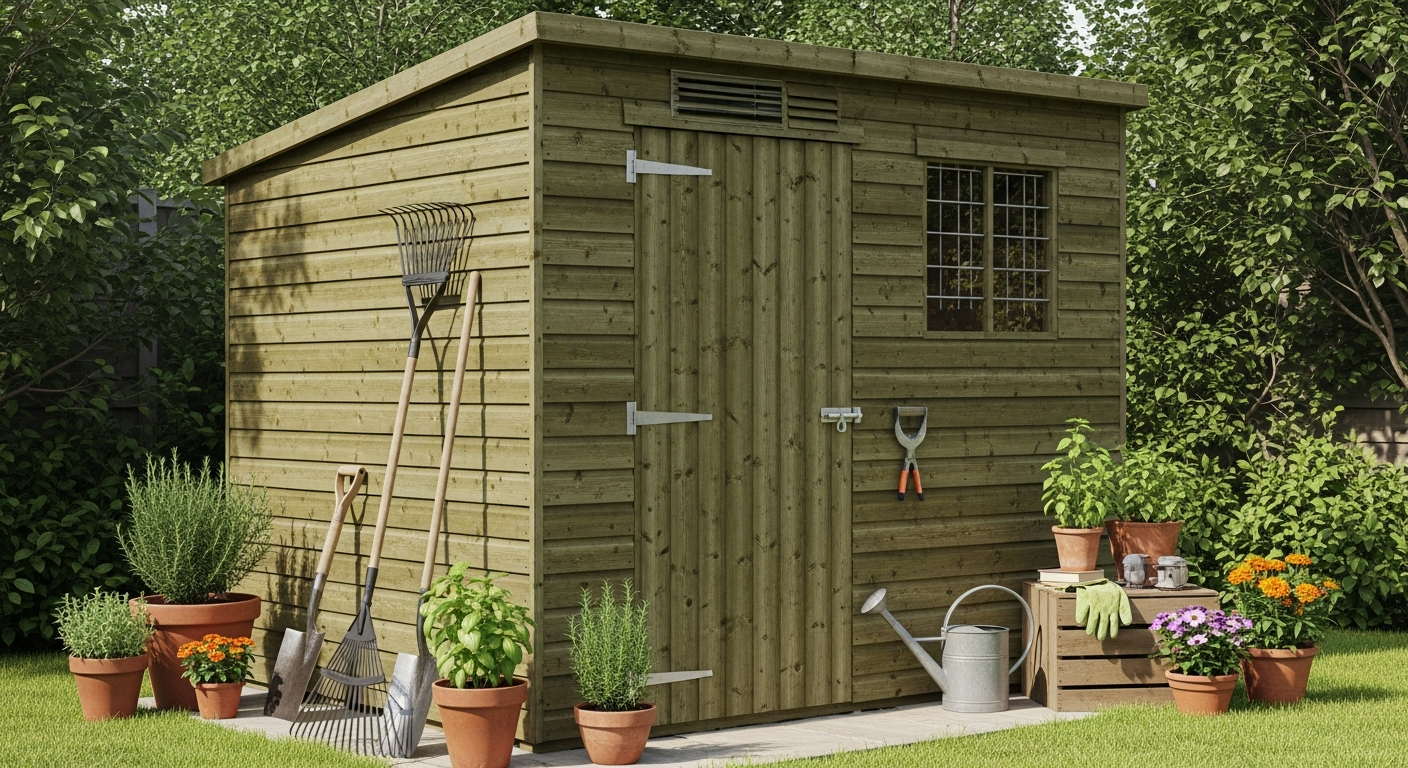
Discover why pressure treated wooden apex garden sheds from Shedstore are built to last. Learn about materials, weatherproofing, maintenance, and how to choose the right size for your garden space.
Garden sheds have transformed from purely utilitarian structures into genuine investments that enhance both the practicality and visual appeal of outdoor spaces. Yet most standard wooden sheds begin showing signs of rot and decay within 5-7 years—a timeline that catches many homeowners off guard. Pressure treated timber rewrites this story entirely, fundamentally changing how long a shed can actually perform.
Shedstore has built its reputation on delivering garden buildings that genuinely stand the test of time. Their pressure treated wooden apex garden sheds represent a clear commitment to quality construction without the premium pricing that typically accompanies durability. These sheds have become stalwarts in gardens across the UK precisely because they solve a real problem: how to get lasting storage without breaking the bank.
This guide covers everything you should understand about pressure treated apex sheds—from the chemistry of pressure treatment and the engineering advantages of apex roof design, through to sizing calculations and realistic maintenance schedules. Explore Shedstore's pressure treated wooden apex garden shed range to see current options and pricing. By grasping these fundamental factors, you'll make sharper decisions about where your garden storage investment actually goes.
How Pressure Treatment Protects Your Wooden Shed
Pressure treatment operates through a straightforward but highly effective mechanism. Timber is placed in a vacuum chamber where chemical preservatives are forced deep into the wood's cellular structure under high pressure. This isn't just a surface coating—the treatment penetrates throughout the timber, creating internal protection that continues working for years.
Chemical Defense Against Decay
The chemicals used in pressure treatment specifically target the organisms responsible for wood breakdown. Rot fungi, decay organisms, and wood-boring insects find the treated timber hostile to their survival. Woodworm, termites, and similar pests simply cannot establish themselves in properly pressure-treated wood. This chemical barrier doesn't wash away with rain or degrade in sunlight the way surface treatments do.
Moisture Management and Longevity
Water penetration is the primary cause of shed deterioration. Pressure treatment creates a moisture barrier within the wood itself, preventing water absorption that leads to swelling, warping, and rot. This moisture resistance extends shed lifespan dramatically—from the typical 5-7 years of untreated timber to 15-20+ years or beyond with basic care. The investment compounds over time because you're not replacing the structure every decade.
Treatment Standards and Certification
Different pressure treatment levels exist depending on exposure conditions and intended use. Sheds for garden use typically receive treatment suitable for above-ground, weather-exposed applications. Certification standards ensure that treatment effectiveness meets agreed benchmarks and that the process is both safe and reliable. Shedstore sources products meeting these standards, providing confidence that the protection is genuine.
Maintenance requirements drop significantly with pressure-treated timber. While untreated wood demands frequent inspection and protective applications, pressure-treated sheds need far less intervention. This reduced maintenance burden translates to real savings over the shed's lifetime.
The Apex Roof Design: Why Shape Matters More Than You Think
The apex roof—that classic peaked triangular design—appears in countless gardens for good reason. This architectural choice delivers concrete benefits that go beyond aesthetics, though the visual appeal certainly matters too.
Headroom, Space, and Usability
The pitched design maximizes internal headroom compared to flat-roofed alternatives. In an 8×6 apex shed, you can actually stand upright comfortably and move around without ducking. This seemingly simple advantage transforms the shed from a cramped storage cubicle into genuinely usable space. Tools hang properly, items stack efficiently, and you can actually work inside when weather turns poor.
Water Management and Weather Protection
Rain doesn't accumulate on an apex roof—it runs off quickly and efficiently. Water pooling on flat roofs creates weak points where leaks develop. Snow and ice slide off pitched roofs rather than building up under their own weight, a particularly valuable feature in UK winters. The angle itself prevents water from sitting anywhere long enough to penetrate the felt covering and find its way inside.
Structural Integrity Through Design
The triangular load-bearing design distributes weight efficiently. The peaked shape creates natural tension and compression lines that strengthen the overall structure. Wind loads spread across the angled surface rather than pressing directly downward. This geometry makes apex roofs inherently more robust than flat alternatives, even before considering material thickness.
Ventilation and Internal Environment
Better air circulation inside an apex shed reduces the dampness and condensation that plague enclosed spaces. Air naturally rises and exits through the peaked design, preventing the stagnant, damp environment where rot and mold thrive. This passive ventilation works continuously without moving parts or maintenance requirements.
Browse Shedstore's complete range of pressure treated apex sheds with specifications for each model.
Cladding Options: Overlap, Shiplap & Tongue and Groove Explained
The outer boards of your shed—the cladding—serve as the first line of weather defense. Three main options exist, each with distinct characteristics, costs, and performance profiles.
Overlap Cladding: The Budget-Friendly Choice
Overlap cladding features horizontal boards that layer over one another like roof tiles, with each board sitting slightly on top of the one below. This design naturally sheds water outward and downward. The overlapping joints create multiple barriers to weather penetration. Overlap represents the most affordable cladding option, making it popular with budget-conscious buyers. The trade-off is thinner boards and fewer overlapping layers compared to premium alternatives. Over time in UK weather, overlap cladding can develop minor gaps as wood naturally moves, though pressure treatment prevents rot from exploiting these gaps.
Shiplap Cladding: The Middle Ground
Shiplap boards feature rabbeted edges that lock together, creating interlocking joints. These interlocking seams form stronger weather seals than simple overlapping boards. When one board expands or contracts with moisture changes, the joint remains relatively tight. Shiplap offers better weatherproofing than overlap while maintaining reasonable cost. The aesthetic appeal sits between basic overlap and premium tongue and groove, with cleaner lines and a more finished appearance.
Tongue and Groove: Premium Protection
Tongue and groove cladding represents the premium finish. Each board has a protruding tongue on one edge that fits into a groove on the adjacent board. This mechanical interlock creates exceptional weather seals that rival much more expensive construction methods. The joint remains effective even as wood movement occurs seasonally. Tongue and groove typically features thicker boards and superior timber grades. The visual result is sophisticated and seamless, with no visible gaps between boards.
Durability and Weather Performance
Cladding thickness matters considerably. Thicker boards resist warping and weather damage better than thin ones. Overlap cladding in basic models might use 10-12mm boards, while tongue and groove premium sheds employ 15-18mm or thicker timber. In exposed coastal or windy locations, the thicker premium cladding shows its value more clearly. In sheltered inland gardens, quality overlap or shiplap performs adequately.
Cost and Value Across the Range
Overlap cladding might save £150-300 compared to tongue and groove on an 8×6 shed. Whether that savings justifies the performance trade-off depends on your location, budget, and how many years you expect to use the shed. A premium shed in a budget location performs well above its cost. A basic shed in an exposed location might frustrate you with maintenance issues that cost more than the price difference over 15 years.
Sizing Your Shed: From Compact 6×4 to Spacious 10×8 Models
Choosing the right dimensions profoundly affects how well your shed serves its actual purpose. Too small, and you're frustrated by limited storage. Too large, and you're paying for unused space while crowding your garden.
Calculating Your Actual Storage Needs
Begin by inventorying what you genuinely need to store. Garden tools, seasonal items, lawn equipment, bicycles, potting supplies—make an actual list with dimensions for larger items. A 6×4 shed (24 square feet) suits light storage: tools, small equipment, and seasonal décor. An 8×6 shed (48 square feet) accommodates modest tool collections, bicycles, and garden chemicals with organized shelving. A 10×8 shed (80 square feet) provides ample space for comprehensive tool storage, seasonal furniture, and hobby projects.
Access and Usability Factors
Door width matters more than you might think. Standard shed doors measure roughly 24-30 inches wide. If you need to store a wheelbarrow, push mower, or similar items, doors narrower than 28 inches create constant frustration. Headroom clearance—how tall you can stand inside—depends on roof pitch angle and shed size. Smaller sheds often have lower peak heights even with apex roofs.
Garden Space and Positioning Strategy
Measure your available garden space carefully, accounting for pathways and the space you'll need to access the shed door. A shed tucked into the corner of your garden needs clearance for maintenance work around its perimeter. Consider how much shadow the structure casts and whether that impacts garden layouts you're planning. Positioning against an existing fence or garden boundary saves space while providing wind protection.
Planning Permission and Zoning Regulations
In the UK, garden sheds of 4 square meters or larger typically require building regulation approval or planning permission in certain circumstances. Structures under 4m² generally fall outside these requirements, though local councils vary. A 6×4 shed equals 24 square feet (approximately 2.2m²), comfortably below the threshold. An 8×6 shed (48 square feet, 4.5m²) might require verification with your local authority before purchase. Always check your specific council's regulations—it's a quick phone call that prevents expensive complications later.
Future-Proofing Your Choice
Consider whether you might need more storage in five years. If the answer is yes, choose the larger size now even if you don't fill all available space initially. A second shed later costs more than purchasing one larger structure upfront. Conversely, if space is extremely limited, choosing a modest shed you actually use beats an oversized structure that dominates your garden.
Material Specifications: What's Inside Counts
Beyond the visible exterior, internal specifications determine real durability and functionality. Understanding these components helps you assess whether a shed at any price point actually delivers value.
Timber Framing: The Hidden Structure
The frame supporting the entire structure typically uses 45x45mm or thicker timber in quality sheds, with budget models sometimes using thinner stock. Frame thickness correlates directly with how well a shed resists twisting, warping, and structural stress over years of weather exposure. Premium sheds use kiln-dried timber that's already dimensionally stable, while budget options sometimes use fresher timber more prone to movement.
Flooring Options and Moisture Control
Solid sheet flooring (plywood or similar) offers basic protection at lower cost but can eventually soften if moisture penetrates. Tongue and groove flooring uses interlocking boards that shed water more effectively, create stronger surfaces, and resist moisture better. A raised floor with ventilation gaps underneath performs better than direct ground contact, though this adds cost. Quality flooring prevents that soft, spongy feeling that indicates developing rot.
Roof Covering Materials
Mineral felt—the standard covering—typically lasts 8-10 years before degrading, especially in high-UV or coastal locations. Shingles cost more but outlast felt by several years. Some premium models offer corrugated plastic or metal roofing that lasts 15+ years but adds significant cost. The felt covering on Shedstore's sheds is functional and adequate, though you should budget for eventual replacement.
Windows and Natural Light
Single windows provide basic light and ventilation. Double-glazed windows offer better insulation and clarity, allowing you to see inside without opening the door. Security bars prevent break-ins while still allowing light. Windows add cost but transform the shed experience—working inside becomes more pleasant when natural light eliminates the cave-like darkness of windowless designs.
Door Mechanisms and Security
Quality hinges determine how smoothly a door operates years later. Galvanized or stainless steel hardware resists corrosion in damp environments, while standard metal rusts over time. Pad-bolts work reliably, though keyed locks provide better security. Door seals that prevent wind and rain from entering around frames vary in quality across price points.
Hardware Quality and Corrosion Resistance
Galvanized fasteners and hardware don't rust like bare steel does. In coastal or high-moisture environments, this seemingly minor detail prevents rust staining, corrosion, and eventual failure. Budget sheds sometimes use ungalvanized components that visibly deteriorate within a year.
Shedstore's Price Range: Budget Options to Premium Builds
Shedstore's pricing spans a wide range, creating genuine options across different budgets rather than forcing choices between unaffordable premium products or obviously cheap alternatives.
Entry-Level Models: £300-400
Basic 6×4 sheds at the £300 price point provide functional storage for modest tool collections and seasonal items. These models typically feature overlap cladding, basic timber framing, and solid sheet flooring. They work perfectly well for light-use scenarios—storing rakes, hoes, potting soil, and outdoor cushions. The trade-off is thinner timber and simpler construction that requires more maintenance attention over time.
Mid-Range Sheds: £500-750
The sweet spot for most homeowners falls in this range. Mid-range sheds feature quality overlap or shiplap cladding, stronger framing, and tongue and groove flooring. An 8×6 shed around £600 offers substantially more durability and usability than budget alternatives without the premium pricing. These models provide real value—the jump in quality and lifespan justifies the additional investment.
Premium Models: £800-1,200+
Premium sheds employ tongue and groove cladding, thicker timber throughout, quality hardware, and enhanced finishes. These models are genuinely built to last 20+ years with minimal maintenance. They make sense if you plan extensive use, live in challenging weather locations, or want a low-maintenance investment.
Seasonal Sales and Special Offers
Shedstore regularly runs promotions that shift sheds down price tiers. A premium model might drop into mid-range pricing during seasonal sales. Checking for ongoing offers before purchasing could stretch your budget significantly further. Newsletter signups and email alerts notify you of promotions matching your interests.
Free Delivery Impact
Free UK-wide delivery to most postcodes typically saves £80-150 compared to shipping through other retailers. This substantial saving factors into real value comparisons. Verify your postcode qualifies before purchasing, though most UK locations are covered.
Assessing True Value
Comparing prices alone misses the real calculation. A £500 mid-range shed lasting 18 years costs £27 annually. A £300 basic shed lasting 8 years costs £37 annually. The more expensive option actually costs less per year of use. Matching price to quality and longevity expectations generates better outcomes than simply pursuing the lowest sticker price.
Real-World Durability: What Owners Actually Experience
Specifications and promises matter less than what sheds actually deliver after years in real gardens. Customer experiences reveal patterns about durability, maintenance realities, and performance across different conditions.
Typical Lifespan and Longevity
Well-maintained pressure treated sheds from Shedstore regularly deliver 15-20 years of service, with some exceeding 20 years. This timeline assumes basic annual maintenance—cleaning off debris, checking for leaks, and addressing any damage promptly. Neglected sheds degrade faster, while carefully maintained structures last longer. The pressure treatment investment consistently outlasts untreated alternatives by 10+ years.
Common Issues and Prevention Strategies
Roof felt deterioration represents the most common issue after 8-10 years—this is predictable and manageable through planned replacement. Gutter blockages causing water overflow damage are entirely preventable through regular cleaning. Floor softening in corners usually indicates poor ventilation or direct ground contact—elevating the shed or improving airflow addresses this. Door swelling or sticking occurs with seasonal humidity changes—regular lubrication prevents serious binding.
Delivery and Assembly Experiences
Shedstore's delivery generally arrives within quoted timeframes, though some customers report occasional delays or communication gaps. Assembly is generally straightforward for people with basic DIY skills, though professional assembly services are available. Missing components or damage during delivery happens rarely but does occur—Shedstore typically addresses these issues once reported.
Performance Across UK Climate Zones
Coastal sheds face salt spray that accelerates degradation even with pressure treatment, making premium cladding and stainless steel hardware worthwhile investments. Sheltered inland gardens see minimal weather stress—budget sheds perform adequately here. Windy exposed locations benefit from premium sheds with thicker cladding that resists wind damage better. Urban gardens with air pollution handle maintenance similarly to sheltered locations.
Warranty Coverage and Support
Shedstore provides manufacturer guarantees typically covering structural defects and material failure, though specific coverage varies by model. Guarantees generally extend 1-5 years depending on product tier. Customer service responsiveness to warranty claims affects real-world satisfaction more than the warranty document itself.
Maintenance Essentials: Keeping Your Shed in Peak Condition
A pressure treated shed isn't maintenance-free, but it's substantially lower maintenance than untreated alternatives. Strategic upkeep prevents small issues from becoming expensive problems.
Annual Inspection Routine
Check your shed once yearly—ideally in spring before heavy rain season. Walk around the perimeter looking for visible damage, gaps in cladding, or signs of rot. Inspect the roof for felt deterioration, holes, or tears. Check corners and bases where moisture tends to accumulate. This 20-minute inspection catches issues while they're minor.
Cleaning and Debris Removal
Moss and algae growth occurs naturally on sheds in damp locations. A soft brush removes moss without damaging cladding. For algae, diluted bleach or commercial algae cleaner works effectively—avoid high-pressure washers that can damage timber. Keep gutters clear of leaves and debris so water flows properly rather than overflowing and damaging cladding below.
Timber Protection and Finishing
Pressure treatment provides internal protection, but the surface can benefit from additional finish. Some owners apply wood stain or sealant every 2-3 years—this protects the surface and enhances appearance. This is optional maintenance rather than essential; pressure treated sheds function fine without it, but protective finishes extend surface life and reduce weathering.
Roof Felt and Sealing
Inspect roof felt annually for deterioration. After 8-10 years, felt typically requires replacement—this is straightforward work or a quick professional service. Felt replacement costs £100-300 depending on shed size and whether you do it yourself. Addressing felt before it fails completely prevents water damage to the interior.
Floor and Moisture Management
Check floor condition annually for softness or sponginess indicating moisture problems. Ensure adequate ventilation underneath—if the shed sits directly on ground, raising it slightly improves airflow. Good drainage around the shed perimeter prevents standing water that promotes rot.
Door, Hardware, and Mechanisms
Lubricate hinges and locks regularly—a quick spray of silicone lubricant keeps them operating smoothly. Check that door seals remain intact and effective. Replace any visibly corroded hardware rather than waiting for failure.
Design Aesthetics: Blending Function with Garden Style
A garden shed occupies prominent visual real estate. Making an aesthetically sensible choice matters alongside practical considerations.
Classic Appeal Across Garden Styles
Traditional wooden sheds complement cottage, country, and classic garden designs naturally. The timeless aesthetic suits rural properties and traditional neighborhoods. In contemporary gardens, wooden sheds work through color choices and complementary landscaping rather than stylistic mismatch.
Color, Finish, and Visual Integration
Shedstore sheds typically come in natural wood finish or can be painted/stained after purchase. Earth tones and muted greens integrate sheds into surroundings. Bold colors make them architectural focal points. Matching your shed's finish to garden fencing, gates, or nearby structures creates cohesive visual flow.
Property Value and Curb Appeal
A well-maintained, appropriately-sized shed enhances perceived property value—it suggests organized, cared-for outdoor space. An oversized or dilapidated shed creates the opposite impression. Positioning matters: a shed visible from the street should complement the property, while one hidden behind existing vegetation can be less visually refined.
Placement Strategy
Positioning a shed in garden corners or against existing structures minimizes visual intrusion while maximizing usable garden space. Tucking it behind planting screens works when the shed isn't a design feature. Conversely, an attractive shed becomes an intentional garden element—positioning it where it's visible creates intentional aesthetic statements.
Delivery, Assembly & Installation Logistics
Understanding the practical process from order to finished installation prevents surprises and complications.
Free Delivery Coverage and Timing
Shedstore delivers free to most UK postcodes, typically within 2-3 weeks of order. Verify your postcode qualifies before purchasing. Delivery includes bringing the shed components to your address, though it usually means unloading at the garden perimeter rather than assembly-ready positioning.
Assembly Requirements and Options
Shedstore provides detailed instruction manuals and video guides for self-assembly. Most people with basic DIY skills complete assembly in a weekend. Professional assembly services are available through Shedstore for additional cost—typically £200-400 depending on shed size. This removes uncertainty and guarantees proper assembly.
Foundation and Ground Preparation
Your shed needs a stable, level base. Concrete paving stones, gravel on properly compacted ground, or purpose-built concrete pads all work. The foundation must be level—sloped ground causes door misalignment and accelerates damage. Allow time for foundation preparation before your shed arrives.
Tools and Skills Required
Basic hand tools—hammer, saw, level, drill, measuring tape—suffice for assembly. The instructions are straightforward, though some people find the process tedious rather than difficult. It's mechanical work rather than skilled carpentry.
Support Documentation and Help
Clear instruction manuals, online video guides, and responsive customer service support most buyers through assembly. If you encounter confusion, customer service typically helps via phone or email. Having these resources available prevents frustration.
Managing Delivery Issues
Occasionally deliveries arrive damaged or with missing components. Photograph damage immediately and contact Shedstore within a few days—they handle replacements or refunds. Document what arrives and what's missing before signing delivery paperwork when possible.
Comparing Pressure Treated Sheds to Alternatives
Understanding how pressure treated wooden sheds compare to other storage options clarifies whether this choice actually suits your situation.
Pressure Treated Timber vs. Untreated Wood
Untreated sheds cost less initially—sometimes 20-30% less—but deteriorate within 5-7 years compared to 15-20+ years for pressure treated. The maintenance burden on untreated sheds is substantial: regular sealing applications, frequent inspections, and earlier replacement. Total cost of ownership heavily favors pressure treated despite higher upfront cost.
Metal Sheds: Durability and Aesthetic Trade-offs
Metal sheds never rot and require minimal maintenance. However, rust develops eventually without protective coatings, and metal conducts temperature extremes—making them hot in summer and cold in winter. Metal sheds feel industrial and less integrated into traditional gardens. Cost-per-year is competitive with wooden sheds over 20 years, but aesthetic compatibility is lower for many homeowners.
Plastic and Resin Sheds: Convenience vs. Lifespan
Plastic sheds require virtually no maintenance and won't rot or rust. They're lighter, easier to move, and ideal for renters. However, plastics degrade under UV exposure—most plastic sheds last 8-12 years before becoming brittle. Cost-per-year of use is higher than wooden sheds, and aesthetic appeal is limited. Plastic sheds work as temporary solutions or for light storage, but not as long-term permanent structures.
Brick and Stone Outbuildings: Permanence at Higher Cost
Brick structures last indefinitely and integrate beautifully into certain properties. However, construction complexity is substantially higher, costs range from £3,000-10,000+, and planning permission is usually required. These work as lifestyle investments rather than pragmatic storage solutions.
Total Cost of Ownership Across 20 Years
A pressure treated wooden shed costs £600 upfront plus roughly £50 annually for maintenance. That's £1,600 over 20 years. An untreated shed costs £450 but requires replacement after 7 years plus substantial annual maintenance—total cost reaches £1,200-1,500. A metal shed at £800 with minimal maintenance costs roughly £1,400 over 20 years. The pressure treated option delivers genuine economic advantage over the long term.
Making Your Purchase Decision: Key Takeaways
Translating research and considerations into an actual purchase requires clarity about your real priorities.
Assess Your Genuine Storage Needs
Honesty about what you'll actually store prevents both undersizing (frustration) and oversizing (wasted money). List specific items with dimensions. Size your shed around the 85th percentile of needs rather than the absolute maximum—a slightly efficient shed beats an oversized one you partially use.
Budget Allocation and Sweet Spot Value
Mid-range sheds at £500-750 consistently deliver better value than both the cheapest models and premium alternatives for typical homeowners. Your budget determines available options, but within your budget range, mid-tier models optimize quality relative to cost.
Space Constraints and Maximization
Measure available garden space carefully, accounting for access and usability. Position your shed to minimize shadow impact and preserve usable garden area. A smaller shed that fits well beats a large shed that dominates your garden.
Maintenance Commitment Reality
Be honest about your maintenance willingness. Premium sheds require less upkeep but cost more. Budget sheds require more attention but cost less. Match your shed choice to realistic maintenance expectations rather than aspirations.
Warranty and Support Verification
Understand what coverage applies to your specific model. Confirm Shedstore's return and support policies before purchasing. Quality retailers stand behind their products—this matters when issues arise.
Questions to Ask Before Purchasing
Verify exact specifications for your chosen model. Confirm free delivery applies to your postcode. Ask about current promotions and whether waiting for sales is realistic. Understand the assembly process and whether professional help is available. These clarifications prevent regrettable surprises.
Your Shed Investment Starts Here
A pressure treated wooden apex garden shed genuinely becomes an asset rather than just a storage box when you choose thoughtfully and maintain it properly. The combination of rot-resistant timber, superior roof design, and Shedstore's balanced pricing creates real value without requiring compromise between cost and quality.
What matters most is matching the shed's size, cladding quality, and specifications to your actual needs rather than defaulting to either the cheapest option or features you'll never use. Spend time measuring your space, considering your local climate conditions, and honestly assessing how much maintenance you'll realistically perform. These decisions determine whether your shed thrives or merely survives over 15+ years.
Start by identifying your ideal dimensions and preferred cladding style. Compare available models within your budget range. Check Shedstore's current selection and look for seasonal promotions that extend your purchasing power. Your garden's lasting storage solution awaits—and it's genuinely built to deliver.