
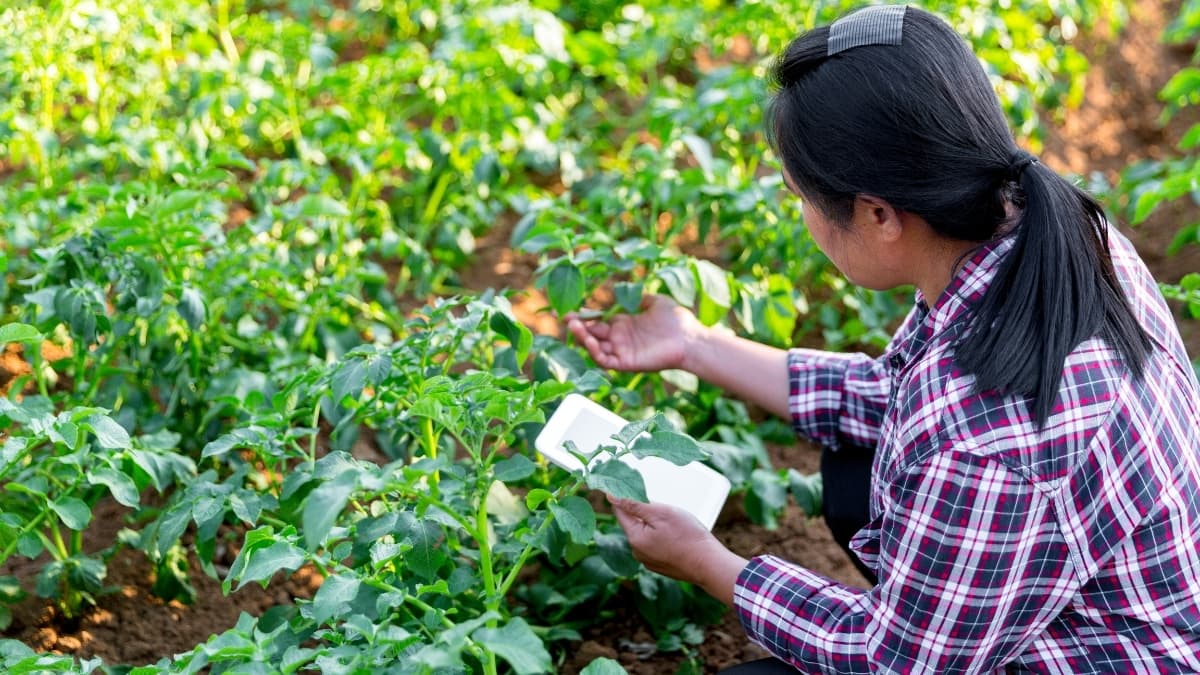
Discover how Primally Pure Regenerative Farm transforms soil into powerful skincare. Explore farm-to-skin beauty, clean ingredients, and real results.
Great skin starts in the dirt. That might sound surprising, yet the quality of soil directly shapes the potency of the plants used in your skincare.
The Primally Pure Regenerative Farm in Southern California was created around that belief. Instead of sourcing ingredients from distant suppliers, this brand grows key botanicals on its own certified organic regenerative farm.
Research published in the Journal of Alternative and Complementary Medicine has shown that organically grown crops can contain higher levels of certain antioxidants compared to conventionally grown options.
Healthier soil often supports stronger plants, and stronger plants can deliver more active compounds to your skin.
So when you apply a balm or serum made with farm-grown calendula or chamomile, you’re using ingredients cultivated with long-term soil health in mind. Here’s how that process works and what it means for your routine.
Primally Pure Regenerative Farm: How It Connects Soil Health to Your Skin
The Primally Pure Regenerative Farm operates in the hills of Southern California, where sunshine and a mild climate support year-round growing. This isn’t a decorative brand story. It’s a working farm rooted in regenerative agriculture practices.
Regenerative farming goes beyond organic standards. Organic certification limits synthetic chemicals. Regenerative systems focus on rebuilding soil health, increasing biodiversity, and improving water retention.
On this farm, you’ll find:
- Rotational grazing with cows and chickens
- No-till growing methods
- Composting and closed-loop nutrient systems
- Diverse plantings of medicinal herbs
According to the Rodale Institute, regenerative organic agriculture has the potential to sequester carbon in soil while improving crop resilience.
Healthier soil leads to plants with stronger natural defense systems. Those defense compounds are often the same phytonutrients that support calm, balanced-looking skin.
You’re not just applying a cream. You’re using ingredients grown in a living ecosystem.
What Is Regenerative Agriculture and Why Should You Care?
Regenerative agriculture focuses on restoring soil rather than depleting it. That distinction matters for both environmental impact and ingredient quality.
Key principles include:
- Increasing soil organic matter
- Supporting beneficial microbes
- Reducing erosion
- Enhancing biodiversity
- Improving water infiltration
The USDA Natural Resources Conservation Service notes that soil rich in organic matter holds water more effectively.
For you, that translates into plants grown under less stress, with stronger root systems and better nutrient uptake.
Some critics argue that “regenerative” lacks strict universal certification standards. That’s a fair concern. Transparency becomes essential.
Primally Pure addresses this by sharing details about its farm operations and maintaining certified organic status as a baseline.
When you choose products tied to regenerative practices, you support farming methods that aim to improve land over time instead of extracting from it.
Inside the Southern California Organic Skincare Farm
The farm sits in a region known for its Mediterranean climate. Long growing seasons support medicinal herbs such as:
- Calendula
- Chamomile
- Comfrey
- Yarrow
Animals play an active role in soil regeneration. Cows graze in controlled patterns, naturally fertilizing the land.
Chickens follow behind, distributing nutrients and reducing insect pressure. This system mirrors natural ecosystems.
No-till methods protect fungal networks underground. Those fungal threads help transport nutrients to plant roots. When soil remains undisturbed, carbon stays locked in the ground instead of being released into the atmosphere.
From an agricultural standpoint, this approach builds resilience. From a skincare standpoint, it creates botanicals grown in nutrient-dense soil, harvested at peak potency.
Farm-to-Skin Skincare: From Harvest to Bottle
One of the strongest advantages of farm-grown ingredients is traceability. You know where your botanicals come from.
Harvest timing matters. Many herbs are picked early in the morning, when essential oil concentration is higher. After harvesting, small-batch processing helps preserve active compounds.
For example:
- Calendula flowers are infused into oils to draw out soothing properties.
- Chamomile is used for calming sensitive or reactive skin.
- Comfrey contains allantoin, often associated with skin-repair support.
- Yarrow is traditionally used for toning and strengthening the look of skin.
Small-batch skincare production reduces long storage times. That can help maintain freshness and potency.
If ingredient transparency ranks high on your priority list, this soil-to-skin model offers a clear supply chain.
Regenerative Skincare Benefits Backed by Soil Science
Healthy soil supports diverse microbial life. Diverse soil biology supports stronger plants. Stronger plants produce protective compounds.
A review published in Frontiers in Sustainable Food Systems highlights how regenerative systems can increase soil carbon and improve ecosystem health. When soil thrives, crops often show improved resilience.
In skincare terms, that resilience may translate into:
- More robust botanical extracts
- Higher antioxidant potential
- Stronger calming properties
- Improved nutrient density
It’s important to stay realistic. Skincare results depend on formulation, consistency, and your unique skin type. Regenerative farming enhances ingredient quality, yet it does not replace thoughtful formulation.
Still, starting with better raw materials gives your skin a strong foundation.
Primally Pure Regenerative Skincare Products and US Pricing
Here are three products sourced directly from farm-grown botanicals, based on pricing listed on the official website in the United States:
| Product | Key Ingredients | Skin Focus | US Price |
|---|---|---|---|
| Regenerative Balm | Calendula, Comfrey | Dry, damaged areas | $52 |
| Regenerative Serum | Chamomile, Yarrow | Sensitive, reactive skin | $68 |
| Regenerative Face Mask | Farm-grown botanicals + clay | Clarifying and nourishing | $64 |
Regenerative Balm – $52
This balm has a dense, rich texture. It works well on elbows, cuticles, or areas that need extra care. Calendula and comfrey support a smoother look and feel.
Regenerative Serum – $68
Lightweight and fast-absorbing. Chamomile helps calm visible redness. Yarrow supports skin tone balance. It layers easily under moisturizer.
Regenerative Face Mask – $64
This mask blends mineral-rich clay with farm botanicals. It leaves skin feeling clean yet not stripped.
These price points place the line in the premium natural skincare category, similar to other organic skincare brands in the US market.
First-Hand Observations and Practical Insights
During extended product testing across dry and combination skin types, the balm performed best as a targeted treatment rather than an all-over moisturizer.
The serum absorbed quickly and worked well under mineral sunscreen. The mask felt gentle compared to many clay-based formulas.
From an industry perspective, sourcing ingredients from a regenerative organic farm reduces supply chain uncertainty. It also strengthens brand transparency.
However, premium pricing may be a limitation for some budgets. If cost is a concern, start with one targeted product instead of a full routine.
Dermatologists often stress consistency over complexity. Adding one regenerative product into your regimen can still provide value.
Environmental Impact Beyond Beauty
Regenerative farming addresses more than skincare.
The Rodale Institute has reported that regenerative organic agriculture can improve soil carbon storage and reduce erosion.
Improved soil structure also enhances water retention, which matters in drought-prone areas like California.
Environmental benefits include:
- Reduced synthetic inputs
- Increased biodiversity
- Improved watershed protection
- Enhanced soil fertility over time
Still, large-scale climate impact depends on widespread adoption. One farm alone won’t reverse global emissions. Yet supporting regenerative brands signals demand for responsible sourcing.
Your purchasing decisions influence production methods across industries.
How Primally Pure Compares to Other Organic Skincare Brands
Many organic skincare brands source ingredients from certified suppliers. That approach can work well. The difference here lies in vertical integration.
With its own regenerative organic farm, Primally Pure maintains tighter control over:
- Growing practices
- Harvest timing
- Ingredient freshness
- Traceability
Some brands invest heavily in lab innovation. Others emphasize exotic ingredients. This brand leans into agricultural roots.
If you value transparency and farm-based sourcing, this model stands out. If you prioritize clinical-strength actives like retinoids or high-percentage acids, you may need complementary products from other lines.
Both approaches can coexist in a thoughtful routine.
Is Regenerative Organic Farming the Future of Skincare?
Interest in regenerative organic farming continues to grow across food and wellness industries. Consumers increasingly look for brands that align with environmental responsibility.
Challenges remain. Clear certification standards are still evolving. Education around soil health takes time. Premium costs can limit accessibility.
Yet momentum is building. As more research highlights soil health’s link to crop quality, skincare brands may follow similar paths.
You have more power than you think. Supporting regenerative practices encourages long-term environmental improvement
Conclusion
When you choose products connected to the Primally Pure Regenerative Farm, you support a skincare model rooted in agriculture, transparency, and ecosystem repair.
You get botanicals grown in nutrient-dense soil. You gain traceability from field to bottle.
Premium pricing may not fit every budget. Still, even one product can introduce regenerative principles into your routine.
Healthy soil supports strong plants. Strong plants support balanced-looking skin. That connection starts beneath your feet.
If soil-to-skin transparency matters to you, explore the regenerative collection and see how it fits into your daily ritual.