
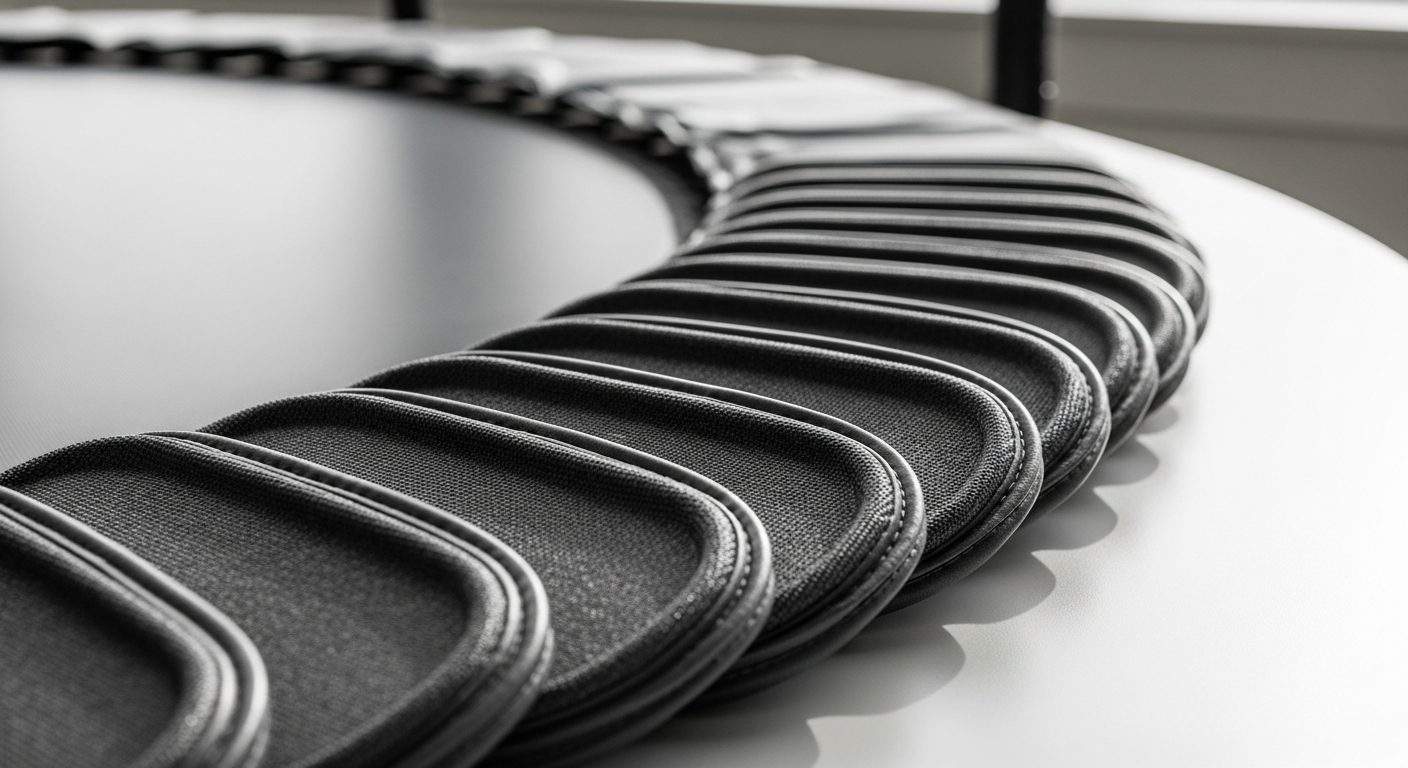
Discover why premium round trampoline safety pads are essential for protecting jumpers and extending trampoline life. Learn about materials, sizing, installation, and maintenance in this comprehensive guide.
Over 100,000 people land in emergency rooms annually due to trampoline-related injuries, with most occurring when jumpers make contact with unprotected springs and hard metal frames. This staggering statistic underscores a critical reality: trampolines are fun, but they demand serious safety infrastructure. A premium round trampoline safety pad isn't merely an optional accessory—it's a fundamental safeguard that transforms a backyard investment from potential liability into a secure play environment.
These pads serve dual purposes that extend far beyond basic injury prevention. They cover the springs and frame edges where accidents happen most frequently, absorbing impact and creating a protective barrier between jumpers and dangerous metal surfaces. Simultaneously, they shield your trampoline from UV damage, weather deterioration, and the constant wear that outdoor equipment endures year-round. Upgrade to a premium round trampoline safety pad today and protect your family investment.
Understanding what separates quality pads from cheap alternatives, recognizing proper sizing specifications, and learning maintenance strategies will help you make an informed decision. Your goal is simple: choose a safety pad that delivers reliable protection, withstands seasonal weather challenges, and keeps your family secure during those exhilarating bouncing sessions.
Understanding the Anatomy of High-Quality Safety Pad Construction
Outer Shell Materials: PVC and PE Options
Premium safety pads employ either PVC (polyvinyl chloride) or PE (polyethylene) as their outer shell material. Both options provide exceptional UV resistance, water resistance, and mildew protection—essential qualities for equipment exposed to constant outdoor conditions. PVC tends to offer superior durability and slightly better color retention, while PE provides excellent flexibility and remains cost-effective for quality manufacturers. Either choice, when used in premium construction, will resist fading and degradation far better than budget alternatives that use thinner, inferior plastics.
Foam Cushioning Layers: EPE Thickness and Impact Absorption
Beneath the outer shell lies EPE (expanded polyethylene) foam, the critical component responsible for impact absorption and protection. Quality pads vary their foam thickness between 10mm and 30mm, with thicker options providing superior cushioning during high-impact bouncing. Thicker foam absorbs more force, distributing it across a wider area rather than concentrating pressure on a single point. This thickness variation represents one of the most significant performance differences between premium and budget pads, directly affecting how well your pad protects jumpers from injury.
Attachment Systems: Secure Fastening Mechanisms
Elastic straps and buckles keep safety pads firmly positioned during vigorous bouncing. Premium pads feature reinforced stitching, high-quality elastic that resists degradation, and strategically placed attachment points that distribute tension evenly. A secure fastening system prevents the pad from shifting or bunching during use—a critical safety feature that cheap alternatives often compromise. When a pad moves during jumping, it creates gaps that expose springs and frames, defeating its protective purpose.
Durability Standards and Extreme Condition Performance
Quality construction means your pad withstands extreme temperatures, moisture exposure, and constant physical contact without deteriorating. Premium pads maintain their structural integrity through freeze-thaw cycles in cold climates, resist water absorption in humid regions, and preserve foam cushioning properties across temperature fluctuations. Budget alternatives often become brittle in cold weather, absorb moisture that promotes mildew growth, and lose their protective qualities within a single season.
Material Comparison: Why Premium Construction Costs More
Premium pads cost more because they use superior materials throughout—thicker foam, higher-quality plastic, better elastic, and reinforced stitching. This investment in construction quality translates directly into longevity. A premium pad typically outlasts budget alternatives by 2–3 years, meaning you'll replace it far less frequently. When you calculate cost-per-year over the pad's lifespan, premium options often become the more economical choice.
Sizing Your Round Trampoline Correctly—Common Dimensions and Specifications
Standard Trampoline Diameters
Round trampolines come in standard sizes: 12-foot, 14-foot, and 15-foot diameters. Each size requires a correspondingly sized safety pad for proper coverage. Attempting to stretch a 12-foot pad onto a 14-foot trampoline creates dangerous gaps, while oversizing a pad results in excess material that bunches or tears. Matching your trampoline's diameter to the correct pad size is non-negotiable for safety and longevity.
Pad Width Measurements
Beyond diameter, pad width determines coverage area. A quality pad must extend far enough to cover all springs and frame components without leaving exposed metal edges. Width typically ranges from 8 to 12 inches depending on the trampoline model and spring configuration. Insufficient width leaves outer springs exposed; excessive width can overlap awkwardly and create tripping hazards.
Compatibility Considerations
Not all pads fit all trampolines. Spring quantity, frame design, and leg configuration vary between manufacturers. Before purchasing, verify that your specific trampoline model is compatible with available pad options. Manufacturer websites, retailer product descriptions, and customer reviews provide this compatibility information.
Measuring Your Existing Trampoline
Accuracy matters when measuring. Start by measuring the trampoline's diameter at the widest point by running a tape measure across the center. Next, measure the width of your springs and frame combined to determine required pad width. Document these measurements before shopping to prevent purchasing incorrectly-sized pads.
Custom vs. Standard Sizes
Most manufacturers offer standard sizes covering 12, 14, and 15-foot models. However, specialized or older trampolines may require custom solutions. While custom pads cost more, they ensure proper fit and protection. Standard sizes work well for typical trampolines, making them the most economical choice for most families.
Common Sizing Mistakes
Undersized pads leave springs exposed and defeat their protective purpose. Oversized pads bunch, shift, and create safety hazards themselves. Many families purchase incorrectly-sized pads because they didn't measure carefully or assumed their trampoline matched standard dimensions. Take time to measure accurately before ordering.
Material Performance in Real-World Outdoor Conditions
UV Resistance and Sun Exposure
Premium materials resist UV rays that degrade cheaper plastics and cause color fading. When shopping, darker colors (black or dark blue) hold up better against sun exposure than lighter shades. A quality pad maintains its protective properties and appearance through multiple seasons of intense sun exposure, while budget alternatives fade noticeably within months.
Water and Mildew Protection
Weather-resistant construction prevents water absorption that leads to mildew growth and foam degradation. In humid climates, this becomes especially critical. Premium pads shed water rather than absorbing it, maintaining structural integrity and preventing mold that compromises safety and creates unpleasant odors.
Temperature Fluctuations
Quality foam maintains its cushioning properties across temperature extremes. In hot climates, inferior foam becomes tacky and loses its shape; in cold climates, cheap foam becomes brittle and cracks. Premium construction uses materials that perform consistently whether your trampoline sits in Arizona heat or Minnesota winter cold.
Seasonal Wear Patterns
Summer typically causes the most deterioration due to intense UV exposure and frequent jumping. Winter weather in cold climates accelerates wear through freeze-thaw cycles. Understanding your climate's specific challenges helps you select materials suited to your region and anticipate replacement timelines.
Climate-Specific Considerations
Families in wet climates benefit most from premium water-resistant materials and thicker foam that resists moisture absorption. Those in arid regions prioritize UV protection and materials that resist sun bleaching. Match your pad selection to your specific environmental conditions rather than assuming one-size-fits-all solutions work everywhere.
Testing Standards and Certifications
Look for pads that reference durability testing, UV resistance certifications, or flame-retardant ratings. These benchmarks indicate manufacturers' commitment to quality standards and provide assurance that the product meets established performance criteria. Find certified premium round trampoline safety pads from trusted manufacturers.
Installation, Maintenance, and Seasonal Care Strategies
Pre-Installation Checklist
Before installing a new pad, inspect your trampoline frame for rust, damage, or sharp edges that could tear the pad. Check that all springs are intact and properly positioned. Ensure the frame sits level on level ground—uneven surfaces cause uneven pad tension and premature wear. Clean any debris or dirt from the springs and frame to prevent it from getting trapped under the pad.
Step-by-Step Installation Process
Most pads install by positioning them around the frame's perimeter, then securing elastic straps underneath. Start at one point and work progressively around the frame, ensuring even coverage and tension as you go. Tighten all straps firmly—loose attachment is the most common installation mistake. The pad should sit snugly against the frame with no gaps or bunching.
Common Installation Pitfalls
Uneven tension causes some sections to sit loosely while others are overstretched. Improper alignment leaves springs exposed at certain points. Failing to fully secure all attachment points creates safety gaps. Taking time during installation prevents these issues and ensures your pad functions as intended.
Monthly Maintenance Routines
Each month, visually inspect your pad for tears, worn spots, or color fading. Check that elastic straps remain tight—seasonal temperature changes can affect tension. Wipe away accumulated dirt or debris. These simple steps take minutes but significantly extend your pad's lifespan.
Winter Storage and Protection
In climates with severe winters, consider removing your pad and storing it indoors during off-season months. If leaving it installed, ensure proper drainage around the trampoline to prevent standing water from damaging the pad. Some families cover their pads with tarps for additional protection.
Extending Pad Lifespan
Simple practices add 1–2 years to your investment: keep the trampoline covered when not in use, rinse off salt and debris in coastal areas, check strap tension seasonally, and address small tears immediately before they worsen. Consistent care dramatically extends performance and pushes your replacement cycle further into the future.
When to Replace: Warning Signs
Replace your pad when you notice significant color fading, visible tears or cracks in the foam, permanently loose attachment straps, or persistent mildew that won't clean away. If more than 20% of the pad surface shows degradation, replacement is safer than attempting repairs.
Comparing Price Points—What You're Actually Paying For
Budget Range Breakdown
Premium pads cost $60–$130 depending on diameter and foam thickness, while cheap alternatives run $20–$40. This price difference reflects real material quality differences: thicker foam, better plastic, superior elastic, and reinforced stitching. Budget pads use minimal materials and cost-cutting construction that shows almost immediately.
Cost-Per-Year Analysis
A $80 premium pad lasting 4 years costs $20 per year. A $30 budget pad lasting 1 year costs $30 per year. When you factor in replacement frequency, premium pads often provide better long-term value despite higher upfront costs. This calculation becomes more favorable as pad lifespan increases.
Brand Reputation Factors
Established manufacturers with strong reputations can justify premium pricing through proven quality, customer service, and warranty support. Brands with decades in the trampoline industry understand what construction standards deliver real durability. Their pricing reflects this expertise and commitment to quality.
Hidden Costs of Cheap Pads
Frequent replacements consume money and time. More critically, deteriorating pads that leave springs exposed create serious injury risk. Emergency room visits cost thousands. Replacing a damaged trampoline frame costs far more than the pad that would have protected it. Cheap pads create hidden costs that far exceed their initial price savings.
Value-Added Features
Premium pads often include extra-thick foam (25–30mm versus 10–15mm for budget options), reinforced stitching at stress points, and enhanced attachment systems with multiple anchor points. Some offer partial UV-blocking technology or special moisture-wicking fabrics. These features justify higher pricing by delivering measurable performance improvements.
Seasonal Sales and Discounts
Prices typically drop in late summer and early fall as retailers clear inventory before winter. Shopping during these periods allows you to purchase premium pads at reduced prices. Spring sales occasionally occur as families prepare for warm-weather season. Monitoring price trends helps you maximize savings without sacrificing quality.
Warranty Considerations
Premium brands typically offer 1–2 year warranties covering manufacturing defects. Budget competitors rarely offer warranties or limit them to 30–90 days. A strong warranty provides recourse if manufacturing problems arise and indicates manufacturer confidence in their product quality.
Safety Benefits That Justify the Investment
Injury Prevention Statistics
The 100,000+ annual trampoline-related emergency room visits represent preventable injuries. Studies consistently show that proper padding significantly reduces fall severity and injury rates. Falls that would cause serious fractures or head injuries instead result in minor bruises when landing on quality foam rather than hard metal.
Spring Protection
Coiled springs present specific hazards during high-impact bouncing. Without padding, jumpers can catch fingers, hands, or feet in spring mechanisms. Safety pads provide cushioning and physical barriers that prevent this direct contact. This benefit alone justifies the pad investment for families with young children who lack awareness of spring hazards.
Frame Edge Safety
Hard metal frame edges present cutting and bruising hazards. Quality padding cushions these edges and prevents the sharp-impact injuries that occur when jumpers land sideways. A thick foam pad distributes impact force across a wider area rather than concentrating it on a thin edge.
Age-Appropriate Protection
Younger jumpers benefit most from premium cushioning because they have less body awareness and control. They bounce unpredictably and fall more frequently. The enhanced protection that premium pads provide becomes especially valuable for children under 10 years old.
Multiple-Jumper Scenarios
When several children jump simultaneously, impact forces increase dramatically. Premium pads with thicker foam maintain protective qualities even under these high-impact conditions. Budget pads compress excessively, losing their cushioning effectiveness when subjected to multiple-jumper stress.
Long-Term Structural Protection
Beyond protecting jumpers, quality pads extend your trampoline's overall lifespan by 3–5 years. They prevent water from reaching springs, reduce UV damage to metal components, and protect the frame from impact wear. This structural protection significantly increases the return on your trampoline investment.
Peace of Mind for Parents
Knowing your trampoline has quality protection reduces anxiety about backyard play. You can allow your children to jump with confidence that you've taken reasonable precautions to keep them safe. This psychological benefit—the ability to relax while kids play—has real value that extends beyond the pad's physical protection.
Common Drawbacks and How to Mitigate Them
Weather-Related Degradation
Extreme heat, cold, and moisture accelerate pad deterioration. Mitigate this by choosing premium materials suited to your climate and removing pads during off-season months when they're not needed. Covering your trampoline with a tarp during severe weather provides additional protection.
Color Fading Over Time
All outdoor materials fade with sun exposure, but quality materials fade more slowly. Choosing darker colors from the start masks fading better than light shades. Accepting that some fading will occur—it's cosmetic rather than functional—helps you maintain realistic expectations.
Sizing Compatibility Issues
Prevent this by measuring carefully and verifying compatibility before purchasing. Check the manufacturer's specific recommendations for your trampoline model rather than assuming standard sizes apply. Reading customer reviews from owners with your exact trampoline model confirms fitment.
Strap Wear and Replacement
Elastic straps deteriorate faster than the pad itself. Some manufacturers sell replacement strap kits, extending your pad's useful life beyond the point where you'd otherwise replace it. Check whether replacement parts are available before purchasing to maximize long-term value.
Mold and Mildew in Humid Regions
In humid climates, regular cleaning and ensuring proper drainage prevent mold growth. If mildew appears, clean with a mixture of water and white vinegar. Improve air circulation around your trampoline and consider removing the pad during humid months if humidity is severe.
Aesthetic Concerns
Safety pads cover the metallic frame that many owners find attractive. If appearance matters in your backyard design, choose neutral colors or manufacturers that offer color options matching your trampoline's aesthetic. Remember that safety takes precedence over appearance.
Storage Challenges
If you remove your pad seasonally, storage space becomes necessary. Most pads roll or fold compactly, fitting in garages or garden sheds. Plan storage before you purchase to ensure you have adequate space for seasonal removal.
Making the Right Choice—Factors to Consider Before Buying
Assessing Your Trampoline's Age and Condition
Older trampolines with compromised springs or structural issues may not justify new pad investment if replacement is imminent. Newer, well-maintained trampolines benefit significantly from quality protection. Honest assessment of your trampoline's remaining useful life guides purchasing decisions.
Family Usage Patterns
Families with frequent jumpers need premium protection due to increased wear and impact stress. Light-use trampolines might function adequately with mid-range pads. Consider how often your family jumps and how many jumpers typically use the trampoline simultaneously when selecting pad quality.
Climate and Weather Exposure
Families in wet climates prioritize water and mildew resistance. Those in arid climates focus on UV protection. Extreme temperature regions require pads that maintain cushioning across wide temperature ranges. Match pad materials to your specific environmental conditions.
Budget Flexibility
While premium pads offer better long-term value, mid-range options ($40–$70) often provide acceptable protection at lower initial costs. Determine your budget ceiling, then select the highest-quality pad within that range. Sometimes waiting and purchasing a premium pad on sale makes more sense than buying a budget option immediately.
Brand Research
Read customer reviews specifically mentioning durability, color fading, and lifespan. Check manufacturer websites for warranty information and material specifications. Compare multiple brands rather than purchasing the first option you find. Established brands with consistent positive reviews typically deliver better value.
Retailer Options
Online retailers often offer better prices and broader selection but no hands-on inspection. Local retailers allow you to examine pads physically but typically charge more. Evaluate warranty protections offered by different retailers—some provide extended coverage that adds significant value.
Future-Proofing
Choose pads built to last through multiple seasons of heavy use. Higher-quality construction initially costs more but prevents premature replacement that becomes inconvenient and expensive. Think long-term rather than seeking the cheapest immediate solution.
Why Premium Round Trampoline Safety Pads Remain Essential
Your family's safety on the trampoline shouldn't be left to chance. Premium round trampoline safety pads represent one of the smartest investments you can make—they're affordable, easy to install, and dramatically reduce injury risk. The materials matter because they determine how your pad withstands weather and maintain protective qualities. The thickness counts because it directly affects how much impact force your pad absorbs during bouncing. The attachment system keeps everything secure during those wild bouncing sessions when forces would otherwise dislodge a poorly-secured pad.
When you factor in the cost of emergency room visits, the expense of replacing a damaged trampoline frame, and the peace of mind that comes with knowing your kids are protected, the $60–$130 price tag becomes a bargain. A single serious injury requiring hospitalization costs thousands—far more than a quality safety pad. A damaged frame requiring replacement can cost hundreds. These pads aren't just accessories; they're the difference between a fun backyard experience and a potentially dangerous one.
Don't wait for wear and tear to force your hand. Inspect your current pads today, checking for color fading, foam degradation, or loose straps. Measure your trampoline accurately to determine what size pad you need. Upgrade to a premium option if yours are showing signs of degradation. Your family will thank you every time they bounce. Invest in a premium round trampoline safety pad now and protect your family's fun.