
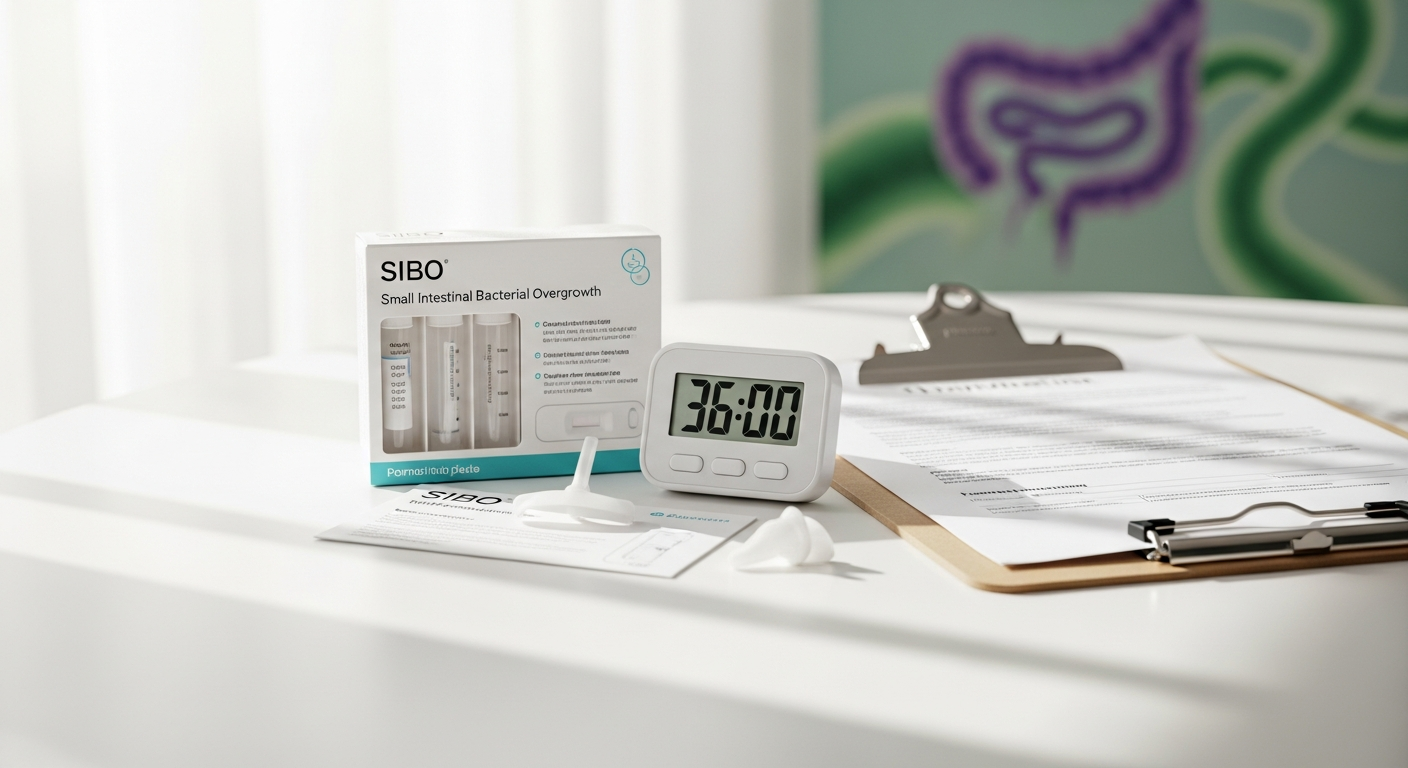
Discover how GI Cognition’s SIBO Home Test Kit delivers fast, accurate breath testing at home with expert consultation. CQC-accredited, results in 36 hours. Beat NHS waiting lists today.
Small Intestinal Bacterial Overgrowth (SIBO) occurs when bacteria that normally live in your large intestine migrate into your small intestine, where they shouldn’t be. This disruption triggers a cascade of digestive problems: bloating that makes you feel uncomfortably full after small meals, excessive gas that causes embarrassment and discomfort, and unpredictable bowel habits that swing between diarrhea and constipation. Many people with SIBO also experience brain fog, fatigue, and joint pain—symptoms that seem disconnected from gut health but actually trace directly back to bacterial overgrowth.
The connection between SIBO and IBS runs deep. Around 60% of people diagnosed with IBS actually have SIBO as the underlying cause. Yet identifying this distinction requires proper testing, and that’s where the UK healthcare system creates a bottleneck. Over 60% of IBS patients wait three months or longer to see a gastroenterologist. Three months of bloating, fatigue, and digestive distress—waiting for answers that could fundamentally change everything.
Traditional gastroenterology appointments involve lengthy NHS waiting lists, travel to hospital facilities, time off work, and the anxiety that accompanies any medical appointment. Meanwhile, your symptoms worsen and uncertainty compounds your physical discomfort. At-home testing eliminates these barriers entirely. You get a professional-grade diagnostic test without the waiting room experience, without the travel, without the months of wondering if you’re on the right track.
Discover how GI Cognition’s SIBO Home Test Kit delivers answers in 36 hours instead of months.
The psychological impact of prolonged diagnostic uncertainty shouldn’t be underestimated. Living with unexplained symptoms creates a sense of helplessness and anxiety. You start second-guessing your diet, wondering if you’re doing something wrong, questioning whether doctors take your concerns seriously. When you finally have confirmation of what’s actually happening, it shifts everything. You can stop guessing and start treating. You can make informed decisions about your health instead of cycling through random dietary experiments. Accurate SIBO diagnosis is the foundation of effective treatment—without it, you’re essentially working in the dark.
The GI Cognition Difference: What Sets This Kit Apart
CQC accreditation isn’t just a badge on a website. The Care Quality Commission conducts rigorous inspections to ensure that diagnostic services meet strict standards for safety, effectiveness, and patient care. When GI Cognition displays CQC accreditation, it means an independent regulatory body has verified their processes, equipment, and protocols. Similarly, MHRA registration for the manufacture of in vitro diagnostic devices confirms that the test itself has been validated and meets UK medical device standards. These certifications matter because they guarantee you’re not using some unproven at-home hack—you’re using a medically validated tool.
Expertise Behind the Service
Dr. Jafar Jafari brings 20+ years of specialist experience as a Neuro-Gastroenterologist. This dual expertise is crucial. A standard gastroenterologist understands the digestive system; a neuro-gastroenterologist understands how gut health connects to your nervous system, brain fog, fatigue, and other systemic symptoms. His involvement elevates the entire service from a simple mail-in test to a comprehensive diagnostic experience backed by genuine specialist knowledge.
Breath Testing Methods
The kit offers either lactulose or glucose solutions. Lactulose is a non-digestible sugar that reaches your small intestine and ferments if bacterial overgrowth is present. Glucose testing is more specific to SIBO itself, as glucose shouldn’t be fermented by healthy small intestinal bacteria. Your choice between the two depends on your symptoms, previous testing history, and which method your healthcare provider recommends. Both are scientifically validated—the difference lies in which scenario they best illuminate for your situation.
Laboratory Analysis and Accuracy
Your breath samples aren’t analyzed by generic equipment. GI Cognition uses UK laboratory facilities with cutting-edge analysis technology and validated testing protocols. This isn’t outsourcing to an overseas facility—it’s using domestic expertise and standards aligned with NHS expectations. The result is accuracy you can trust.
Professional Consultation Included
Unlike some at-home tests that dump raw data on you without context, the GI Cognition kit includes a consultation with a healthcare professional who interprets your results. They explain what the numbers mean, discuss potential causes, explore relevant symptoms, and outline treatment options. This expert guidance transforms a simple test result into actionable medical insight.
Step-by-Step: How the SIBO Home Test Kit Works
Your kit arrives with everything you need: breath collection containers labeled with times for collection, a lactulose or glucose solution, detailed instructions, and information about the consultation process. The physical components are straightforward—nothing complicated or intimidating.
Pre-Test Preparation Timeline
The 48-72 hour preparation period before your test is non-negotiable for accurate results. During this window, you avoid FODMAP foods (fermentable carbohydrates that feed bacteria), certain supplements, antibiotics, and probiotics. This isn’t punishment—it’s clearing the baseline so that any bacterial activity detected during the test is genuinely your SIBO, not temporary fermentation from food residue.
Testing Day Breakdown
On your test day, you consume the testing solution first thing in the morning on an empty stomach. Then you collect breath samples at specific intervals—typically at 0, 30, 60, 90, and 120 minutes, though your instructions will specify the exact timing. Each sample captures hydrogen and methane levels in your breath. Elevated levels at specific timepoints indicate bacterial fermentation occurring in your small intestine. The process takes a couple of hours total, and you can spend it at home, which makes a dramatic difference compared to sitting in a hospital waiting room.
Sample Handling and Submission
Proper sample handling maintains test integrity. The containers are designed to preserve breath samples, and your instructions specify exactly how to seal, label, and return them. Typically, you use a prepaid postage label to send samples back to the laboratory within a specific timeframe.
Results Turnaround
Within 36 hours of the laboratory receiving your samples, you’ll have your results. This rapid turnaround is possible because breath testing is straightforward to analyze—it doesn’t require the time-intensive culturing or complex procedures of other diagnostic methods.
What Your Results Report Contains
Your results report shows hydrogen and methane levels at each timepoint, clearly indicating whether SIBO is present. The report also includes interpretation from the healthcare professional, explaining what your specific results mean, whether they suggest bacterial overgrowth, and what the next steps should be.
Preparing for Success: Pre-Test Dietary Requirements
The preparation period is where accuracy is won or lost. FODMAP foods—fermentable oligosaccharides, disaccharides, monosaccharides, and polyols—include garlic, onions, wheat, certain fruits, legumes, and dairy products. When you consume FODMAPs, they ferment in your intestines, producing hydrogen and methane that could show up as false positives on your test. Antibiotics, even ones you took weeks earlier, can artificially lower bacterial counts. Probiotics can temporarily increase healthy bacteria levels. All of these interfere with getting a true picture of your baseline bacterial situation.
Practical Meal Planning
You’re not starving for three days—you’re eating simply. Plain rice, plain chicken, plain vegetables, eggs, and suitable proteins keep you satisfied while avoiding fermentation triggers. Many people find the preparation period surprisingly straightforward once they understand the “why” behind the restrictions.
Hydration and Beverage Guidelines
Water is your primary beverage during the preparation period. Coffee and tea without milk are generally acceptable, though confirming with your instructions is wise. Avoiding anything with added sugars, artificial sweeteners, or complex carbohydrates protects your test accuracy.
Common Mistakes to Avoid
People often underestimate how strictly they need to follow the dietary guidelines. They assume “mostly avoiding” FODMAPs is acceptable, or they forget about hidden ingredients in processed foods. They also sometimes fail to account for supplement timing—stopping probiotics two weeks before testing, not just two days. The test only works if you follow the preparation protocol precisely.
Medication and Supplement Timing
Certain medications require medical guidance before stopping. Never discontinue prescribed treatments without consulting your doctor. For optional supplements, your instructions specify which to pause and when. Antibiotics should be stopped at least four weeks before testing if possible—check with your healthcare provider about timing if you’ve recently completed a course.
Accuracy and Reliability: Understanding Your Results
Breath testing detects SIBO through a straightforward principle: bacteria ferment carbohydrates and produce gases. When you consume the test solution and bacteria are present in your small intestine where they shouldn’t be, they ferment it immediately and produce hydrogen or methane. These gases are absorbed into your bloodstream and exhaled in your breath, where the laboratory can measure them.
Interpreting Your Results
A positive result shows elevated hydrogen, methane, or both at specific timepoints during the test. This indicates bacterial overgrowth in your small intestine. A negative result means the gas levels remained low, suggesting SIBO isn’t present. An inconclusive result sometimes appears when patterns aren’t clear-cut—this doesn’t mean the test failed; it means additional investigation might help clarify your situation.
False Positives and False Negatives
Breath testing isn’t 100% perfect. False positives can occur if you didn’t strictly follow the preparation diet—residual fermentation from FODMAPs mimics SIBO. False negatives happen occasionally when SIBO is present but hasn’t produced detectable gas levels during the specific test window. This is why preparation accuracy matters and why the healthcare professional consultation adds value—they can identify whether your specific situation might warrant retesting or additional diagnostics.
Comparison to Traditional Methods
Endoscopic biopsy, the traditional method, requires sedation, hospital procedures, and significant inconvenience. Breath testing offers comparable accuracy for SIBO detection without any of that burden. The trade-off is that breath testing measures gases rather than directly visualizing bacteria, but the clinical correlation is well-established.
Working With Your Results
The included healthcare professional helps you understand what your results mean for your specific situation, considering your symptoms, medical history, and any previous testing. This personalized interpretation is invaluable.
The Convenience Factor: Real-World Benefits
Testing at home eliminates the entire infrastructure of hospital visits. No commuting to hospital facilities. No taking time off work. No sitting in waiting rooms filled with people who might be contagious. No anxiety about appointment scheduling. You control the timing entirely—you can test on a weekend when you’re relaxed, or whenever your schedule permits.
Cost and Time Savings
Private gastroenterology consultations in the UK typically cost £200-500 for an initial appointment, and that’s before any diagnostic testing. NHS referrals come with three-month waits. The GI Cognition kit condenses the entire diagnostic pathway into a single streamlined experience at a fraction of the cost. You’re not just saving money—you’re saving months of uncertainty.
Accessibility for Complex Situations
If you have mobility issues, chronic fatigue that makes hospital travel exhausting, or severe anxiety around medical appointments, home testing removes these barriers entirely. Your test happens in your familiar, safe environment. This dramatically improves the likelihood that you’ll actually complete the diagnostic process instead of avoiding it due to the friction involved.
Privacy and Dignity
Discussing your digestive symptoms with a doctor can feel vulnerable. Testing in your own home preserves your privacy and dignity while still delivering medical-grade diagnostics. This emotional component shouldn’t be underestimated—people who feel respected by their diagnostic process are more likely to follow through with treatment.
Potential Limitations and When to Seek Additional Support
Home testing isn’t appropriate if you’re experiencing severe abdominal pain, signs of acute infection, or symptoms suggesting a medical emergency. In those situations, you need immediate in-person evaluation, not a mail-in test. Similarly, if you’ve had recent surgery or are taking medications that significantly alter your gut bacteria, home testing might not be suitable without medical guidance first.
Inconclusive Results and Retesting
Occasionally, results come back inconclusive. This doesn’t mean the test failed—it means the pattern wasn’t clear-cut. Your healthcare professional consultation will guide you on whether retesting makes sense, whether other diagnostics would help, or whether your symptoms suggest an alternative cause.
False Results and Preparation Importance
If you didn’t strictly follow the preparation diet, your results might not reflect your actual SIBO status. This is why understanding the preparation requirements isn’t just procedural—it’s genuinely important for getting accurate information about your health.
When Additional Testing Becomes Necessary
SIBO is common in people with other digestive conditions like IBS or inflammatory bowel disease, but it’s not always the sole cause of symptoms. Sometimes comprehensive stool analysis, food sensitivity testing, or other diagnostics provide additional clarity. The breath test is a powerful diagnostic tool, but it works best as part of a comprehensive gut health investigation strategy rather than in isolation.
Using Results as Part of Broader Investigation
Approach your SIBO test as one piece of the larger puzzle of your gut health. The results provide crucial information, but combining them with symptom patterns, dietary response, and professional medical assessment creates a complete picture.
Making the Decision: Is GI Cognition’s SIBO Test Right for You?
If you’ve experienced bloating, gas, and digestive unpredictability for months or longer, and you suspect bacterial overgrowth as the culprit, home testing makes sense. If you’ve already been diagnosed with IBS but haven’t tested for SIBO specifically, this test provides the differentiation you need to know whether antibiotics or dietary changes should be your primary treatment approach.
Questions to Ask Yourself
Have you waited months for a gastroenterology appointment without getting answers? Have you tried multiple dietary approaches without understanding whether SIBO is driving your symptoms? Do you have the ability to follow strict dietary preparation guidelines? Are you ready to act on whatever results you receive? These questions help clarify whether now is the right time for testing and whether this kit aligns with your readiness level.
Integration With Professional Care
Once you have results, discuss them with your GP or gastroenterologist. They can integrate the findings into your broader medical picture and recommend treatment approaches tailored to your situation. This collaborative approach—combining at-home diagnostics with professional medical guidance—delivers the best outcomes.
Functional and Naturopathic Approaches
Many functional medicine practitioners and naturopathic doctors work with SIBO test results to design personalized treatment plans. If you’re exploring these approaches alongside conventional medicine, having validated SIBO diagnostics strengthens everyone’s ability to help you.
Cost Considerations
Evaluate whether the investment aligns with your healthcare budget and priorities. For most people experiencing prolonged symptoms and facing long NHS waits, the cost represents exceptional value compared to the months of uncertainty and the cost of eventually accessing private gastroenterology services.
Red Flags for Urgent Medical Attention
If you’re experiencing severe abdominal pain, persistent vomiting, unexplained weight loss, or signs suggesting an acute condition, seek urgent medical evaluation rather than waiting for an at-home test. The test is for people with suspected SIBO who have chronic symptoms rather than acute medical emergencies.
Taking Action: Your Next Steps to Diagnosis and Relief
Ordering your kit is straightforward—you’ll receive it within days, with complete instructions for preparation, testing, and submission. Upon delivery, review all materials thoroughly so you understand exactly what to expect.
Setting Your Testing Date
Choose a testing date at least one week away so you have time to mentally prepare and plan your preparation period. Block out three days on your calendar—two for preparation and one for testing. Let family or household members know what you’re doing so they understand why you’re temporarily adjusting your diet and your routine.
Building Your Support System
Share your health journey with people who understand and support you. If you’re testing because you suspect SIBO, the people close to you have likely heard about your symptoms. Involving them creates accountability and emotional support throughout the process.
Preparing Mentally for Results
Whether your results are positive or negative, having a plan for how you’ll respond prepares you mentally. A positive result means you finally have confirmation and can pursue targeted treatment. A negative result means you pivot to investigating other causes—either way, you’re moving forward instead of remaining stuck. Both outcomes represent progress.
Resources for SIBO Management
Once you have your diagnosis, numerous evidence-based treatment approaches exist—from specific antibiotic protocols to herbal antimicrobials to dietary modifications. Your healthcare professional consultation will outline options, and you’ll find extensive resources online and through functional medicine practitioners who specialize in SIBO treatment.
Finding Healthcare Professionals Who Understand At-Home Testing
Many UK healthcare providers now recognize and respect at-home SIBO testing results. Increasingly, GPs and gastroenterologists integrate home diagnostic findings into clinical decision-making. If your current healthcare provider is unfamiliar with at-home SIBO testing, seek out practitioners who specialize in digestive health and understand these diagnostic tools.
Your Path Forward: Breaking Free From Diagnostic Delays
Getting answers about your gut health shouldn’t mean enduring months of waiting, uncertainty, and worsening symptoms. The GI Cognition SIBO Home Test Kit removes that barrier entirely. You’re getting a CQC-accredited, scientifically validated diagnostic tool backed by a leading Neuro-Gastroenterologist—all from the comfort of your home, with results in just 36 hours.
What makes this genuinely transformative is the combination: convenience meets credibility. You’re not sacrificing medical rigor for accessibility. The test uses validated breath analysis, UK laboratory standards, and includes expert consultation to interpret what your results actually mean for your health.
Whether you’ve been struggling with chronic bloating, unexplained digestive issues, or suspected SIBO, this kit gives you the clarity you’ve been waiting for. The preparation matters—strict dietary adherence ensures accurate results—but that’s a small price for finally understanding what’s happening in your gut. Once you have answers, you can move forward with confidence, knowing exactly what treatment approach will actually work for your situation.
If you’ve been caught in the NHS waiting list limbo or frustrated by vague diagnoses, it’s time to take control of your health. Your answers are waiting—and they’re closer than you think.