
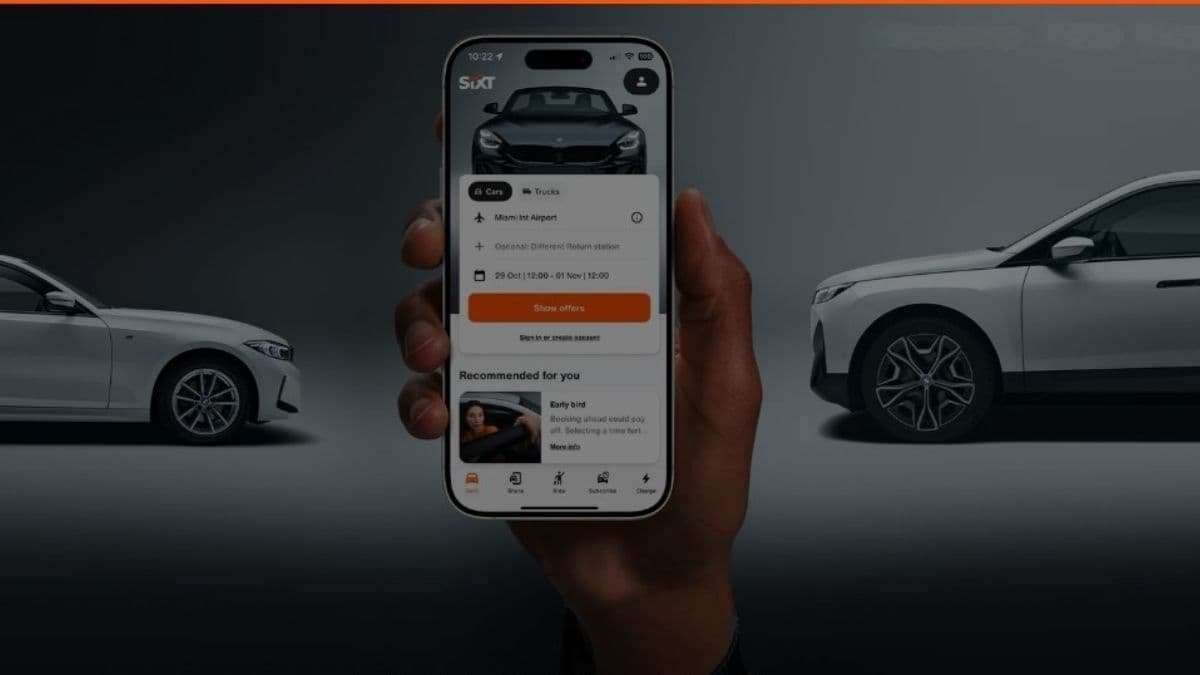
Need one app for rentals, car sharing, rides, and subscriptions? Learn how the Sixt App helps you book faster, manage trips in one place, and stay flexible across cities and countries.
When you travel or move around a busy city, you often end up switching between apps. One for rentals. One for ride-hailing. Another for car sharing. The Sixt App aims to simplify that by putting several mobility options into a single platform.
That “all-in-one” idea can be a real advantage, but it depends on what you need. If you want fewer logins, fewer receipts to track, and one place to manage bookings, a unified app can feel cleaner.
If you prefer specialist apps for each task, you may care more about depth than convenience.
What you can do inside the Sixt App
You use one account to access multiple services. That means you can book, pay, and manage trips without bouncing between platforms.
Here’s the typical set of services you’ll see (availability can vary by city and country):
- Sixt Rent: classic car rentals across many locations
- Sixt Share: car sharing for short or flexible trips in supported cities
- Sixt Ride: ride-hailing or chauffeur-style rides where available
- Sixt+: subscription-style access in select markets
- Sixt Business: tools aimed at corporate travel and reporting (often account-based)
Quick comparison of the main options
A single platform is easier to understand when you compare services side by side.
| Service | Best for | Typical trip length | What you manage in-app |
| Sixt Rent | airport pickups, road trips, planned travel | days to weeks | reservation, add-ons, documents, receipts |
| Sixt Share | city errands, quick meetings, flexible driving | minutes to days (sometimes longer) | start/stop, pricing, vehicle access (where supported) |
| Sixt Ride | no-parking areas, events, point-to-point trips | minutes to hours | booking, tracking, payment, receipts |
| Sixt+ | longer-term use without ownership | monthly | subscription details, billing, plan changes (market-dependent) |
Where the “one app” approach actually helps
You benefit most when your trips change often. You might rent a car for a weekend, then rely on rides in a dense city center. Or you may want car sharing for quick tasks instead of paying for a full-day rental.
A unified platform can help you:
- Reduce account clutter: fewer passwords, fewer payment setups
- Keep documentation together: one place for invoices and trip history
- Switch modes faster: rent, share, or ride based on the moment
- Standardize your workflow: similar booking flow across different services
The digital-first features you’ll notice
Many users care less about “features” and more about friction. The Sixt App’s selling point is often about cutting steps.
Common digital conveniences include:
- Pre-arrival check-in so you handle key details before you reach the desk
- In-app reservation management for changes, add-ons, and support paths
- App-based access tools (such as digital key functions in supported vehicles/locations)
If you value speed at pickup, these touches matter. If you enjoy talking to an agent for reassurance, you may not view counter-free workflows as a win.
Multiple perspectives: who it fits (and who may not love it)
If you’re a frequent traveler
You may like having one hub for rentals and receipts. You also get consistency when you move between cities, assuming the same features exist where you land.
If you’re a city commuter
Car sharing can be useful when you don’t want full-day rentals. Ride options help when parking is a headache.
If you’re budget-focused
You might still prefer comparing separate providers. A single app is convenient, but convenience doesn’t always equal the lowest price.
If you’re a control-first planner
You may like seeing all mobility choices in one place. But you may also want deeper filters and more niche options than a generalist platform provides.
Objections and limitations to think about
An all-in-one app can be great, but it isn’t automatically the best tool for everyone. Here are realistic constraints to keep in mind:
- Service coverage varies: not every city supports every feature (Share/Ride/Sixt+ can be market-limited).
- Digital key isn’t universal: app-based entry depends on vehicle tech and location policies.
- Price isn’t guaranteed to be best: you may still want to comparison-shop for certain trips.
- App dependence: if your phone battery dies or data coverage is weak, you’ll want a backup plan (screenshots, confirmations, or support numbers).
- Learning curve: combining services can make the menu feel bigger than single-purpose apps.
How to decide if it’s worth using
You’ll get the most value if you want flexibility and a single place to manage bookings. If your travel style is stable—always renting from the same place, always using one ride app—you may not gain much.
A simple self-check:
- Do you often need different transport types on the same trip?
- Do you want fewer accounts and receipts to manage?
- Do you care about faster pickups and digital workflows?
If you answered “yes” to most, the Sixt App is likely worth trying.