
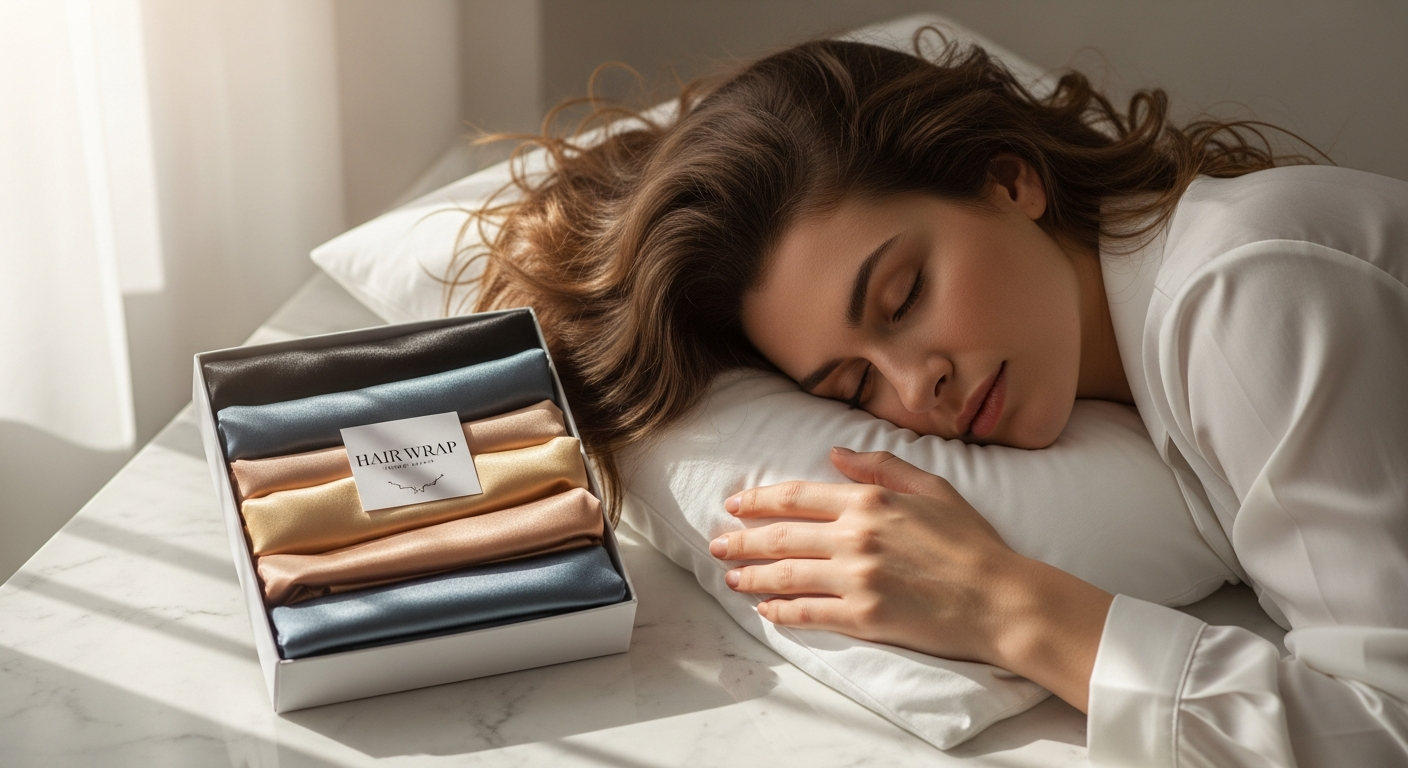
Discover how the Sleepy Tie Original Blowout Protector preserves salon-quality blowouts overnight. Learn about satin technology, sizing, and whether this viral hair tool is worth the investment.
Ninety percent of people with blowouts wake up to a frustrating reality: noticeable frizz, creasing, or flatness that demands either a full rewash or 20+ minutes of heat-styling to restore. The Sleepy Tie Original Blowout Protector has emerged as a patented double-scrunchie system that fundamentally changes how people maintain styled hair while sleeping. This guide breaks down exactly how the Sleepy Tie Original works, who it’s designed for, and whether the $29.99 price tag delivers real value.
The viral sensation has captivated nearly 200 million viewers with the hashtag #sleepytie, transforming how beauty enthusiasts approach overnight hair care. What started as a TikTok trend has evolved into a legitimate solution backed by thoughtful engineering and satin technology that actually protects hair from damage.
You’ll learn about the satin technology protecting your hair, the sizing system ensuring the right fit, common mistakes people make when using it, and honest feedback from people with different hair types. By the end, you’ll know if this innovation belongs in your nighttime hair routine.
Discover how the Sleepy Tie Original can transform your morning hair routine.
How the Sleepy Tie Original’s Double-Scrunchie Design Protects Your Blowout
Understanding the Patented Double-Scrunchie System
The Sleepy Tie Original’s innovation lies in its departure from conventional hair ties. Rather than relying on a single elastic band that creates tension points and creases, the double-scrunchie system distributes pressure across a larger surface area. Two scrunchies work in tandem, each connected to a cushioned arch, preventing the concentrated pinching that leads to bedhead and wave damage.
The Cushioned Satin-Wrapped Core in Action
At the heart of the design sits a cushioned core wrapped entirely in luxurious satin. This cushioning absorbs tension without flattening the bun, while the satin eliminates the friction that traditional elastic creates against hair strands. The result is hair that remains smooth and protected throughout the night, without the grooves and creases typical of standard scrunchies.
Even Pressure Distribution Through the Satin-Covered Arch
The satin-covered arch serves a critical function: it bridges the two scrunchies while maintaining even pressure distribution. This arch prevents the hair bundle from being compressed unevenly, which would otherwise create the signature “crease” lines that require blow-drying to remove. The wider surface area means no single point bears excessive weight.
Mechanics of Securing Hair Without Creasing
When properly positioned, the Sleepy Tie Original holds styled waves and curls in a secure bun without creating the sharp folds associated with regular hair ties. The double-scrunchie design allows for gentle yet firm grip that keeps hair in place during sleep movements while maintaining the structural integrity of your blowout’s waves and curls.
Why This Design Targets Bedhead Prevention
Bedhead occurs when hair shifts position repeatedly during sleep, breaking down the styling structure. The Sleepy Tie Original minimizes this movement by anchoring hair in a stable position. The comfortable fit encourages users to keep it on throughout the entire night, whereas uncomfortable traditional ties might be removed mid-sleep, leaving hair unprotected during the most damaging hours.
The Friction-Breakage Connection
Every time hair rubs against fabric, cuticles can lift and strands can weaken. By replacing the rough texture of standard elastics with smooth satin, the Sleepy Tie Original dramatically reduces this daily micro-damage. Over time, this translates to stronger, healthier hair with fewer split ends and less breakage accumulation.
Satin Technology: Why Material Matters for Overnight Hair Protection
The Science Behind Satin’s Low-Friction Properties
Satin’s tightly woven structure creates a smooth surface that allows hair to glide rather than snag. Cotton, by contrast, has a rougher weave that creates friction and moisture absorption. Elastic materials used in standard scrunchies are even more problematic—their sticky texture actually grabs hair, leading to breakage and disruption of the cuticle layer.
Moisture Management and Cuticle Protection
While you sleep, satin allows hair to retain its natural moisture without the absorption that cotton causes. This preservation of hydration means your blowout stays fresher longer, with reduced frizz and better curl definition. The smooth surface also prevents the cuticle layer from lifting, which is the primary cause of dull, damaged-looking hair.
Satin Benefits Across Hair Types
Fine hair benefits tremendously from satin’s gentleness, as these delicate strands are prone to breakage from friction. Medium hair experiences improved curl retention and shine. Thick hair benefits from the smooth glide that prevents tangling and matting. Textured hair maintains its wave or curl pattern without the disruption that rougher materials cause, preserving carefully-defined curls or coils.
Preventing Creases While Maintaining Curl Definition
The low-friction nature of satin means that even when hair is held in a secure position, the curl or wave pattern isn’t flattened or creased. Hair can be tightly secured without sacrificing the aesthetic definition you paid for at the salon.
Long-Term Hair Health: Beyond the Morning
Users who consistently use the Sleepy Tie Original report measurably healthier hair over weeks and months. Split ends occur less frequently, breakage decreases noticeably, and natural shine improves as the hair cuticle stays protected and hydrated.
Investment Justification: Luxury Satin Versus Budget Alternatives
Budget hair tools often use synthetic materials that compromise both comfort and hair health. Luxury satin costs more upfront but extends the life of your blowout, reduces damage that would otherwise require corrective treatments, and ultimately saves money on salon visits and hair repair services.
Protect your investment in healthy hair with the Sleepy Tie Original today.
Sizing Guide: Finding Your Perfect Sleepy Tie Original Fit
Small Size: Very Fine Hair, Shoulder to Mid-Back
The Small size accommodates hair that requires a lighter touch. This size works for people with very fine or delicate strands, particularly those whose hair extends from shoulder length to mid-back. Users with fine hair often struggle with standard-sized tools that feel too heavy or create uncomfortable tension. The Small Sleepy Tie Original provides adequate security without excessive pressure.
Medium Size: Fine-to-Medium Hair, Mid-Back to Long
The Medium size represents the most versatile option, serving people with fine-to-medium hair thickness and lengths extending from mid-back to long. This is the standard recommendation for most users and accommodates the widest range of hair densities and styling preferences.
Large Size: Thick-to-Very-Thick Hair, Very Long
Those with thick, coarse, or very thick hair benefit from the Large size, which provides the stability needed to secure substantial hair volume. This size is also recommended for people with very long hair where the weight requires adequate support and proper distribution.
Measuring Hair Thickness and Length
To determine your size, assess both dimensions. Hair thickness refers to the diameter of individual strands and overall density—compare your strands to the width of a sewing thread (fine), regular thread (medium), or embroidery thread (thick). Length measurement should be taken from the crown to where your hair ends, measuring along the longest pieces.
Common Sizing Mistakes and Their Consequences
Selecting a size too small for your hair can result in the Sleepy Tie Original feeling uncomfortably tight, potentially causing headaches and leaving marks on the scalp. Choosing a size too large means the tool won’t secure hair adequately, leading to slipping during the night and ineffective blowout protection. Both scenarios compromise the product’s core function.
Why Proper Fit Determines Success
The correct size ensures comfort throughout the night, adequate hair security, and the most effective blowout preservation. Without proper fit, users are likely to remove the tool mid-sleep or experience discomfort that discourages continued use, limiting the product’s benefits.
The Learning Curve: Mastering the Sleepy Tie Original Technique
Initial Setup Challenges and Instruction Clarity
First-time users often find the instruction manual confusing because the Sleepy Tie Original’s design differs substantially from familiar hair tools. The double-scrunchie mechanism and proper positioning technique require a mental shift from traditional approaches. This learning curve typically frustrates new users initially, but proves surmountable with visual guidance.
Step-by-Step Correct Wrapping Method
Begin with a gentle, smooth bun at the crown or slightly lower, depending on your hair length and preference. Position the Sleepy Tie Original’s satin-covered arch across the base of your bun. Thread your hair through the first scrunchie, wrap around the bun smoothly, then secure with the second scrunchie. The key is ensuring even tension throughout—not too tight, which creates discomfort, and not too loose, which allows slipping.
Video Tutorial Recommendations for Visual Learners
The brand provides official tutorials on their website and social media channels that demonstrate proper technique far more effectively than written instructions. Many users report that watching a single 2-3 minute tutorial eliminates confusion and dramatically improves their first successful use.
Common Beginner Mistakes
The most frequent error involves wrapping the scrunchies too tightly, creating discomfort and potential scalp marks. Others place the bun too high on the head or position the arch incorrectly, reducing effectiveness. Some users don’t secure the second scrunchie firmly enough, resulting in the tool slipping during sleep.
Typical Timeline for Muscle Memory Development
Most users develop reliable technique within 3-5 nights of consistent use. By the first week, the wrapping process becomes automatic, and users stop thinking about the mechanics. This adaptation period is normal for any new tool and shouldn’t discourage continued use during the initial adjustment phase.
Pro Tips for Comfort Without Pressure Points
Ensure the bun is compact but not compressed when you first wrap the Sleepy Tie Original. Position the arch so it sits directly across the bun’s base rather than diagonally. Check that no hair strands are caught in the scrunchies themselves. Adjust tightness based on your comfort level—it should feel secure but not cause tension on the scalp or temples.
Hair Type Compatibility: Who Gets the Best Results
Excellent Results: Straight, Wavy, and Loose Curls with Full-Length Hair
People with straight or wavy hair benefit most from the Sleepy Tie Original, particularly when their hair extends to mid-back or longer. The tool preserves the existing styling with minimal interference, and the satin protection ensures morning-after freshness. Loose curl patterns also respond excellently, as the double-scrunchie design doesn’t flatten delicate waves.
Strong Results: Medium-Length Hair with Consistent Thickness
Users with shoulder-length to mid-back hair of uniform thickness throughout experience strong results. The consistency means the Sleepy Tie Original distributes pressure evenly, and the length is substantial enough for a secure bun that maintains styling integrity overnight.
Mixed Results: Layered Cuts, Short Hair, and Face-Framing Pieces
Layered haircuts present challenges because shorter layers don’t bundle together with longer pieces as cohesively. This can result in some shorter strands slipping out of the bun or creating “weird bends” where shorter and longer pieces meet. Very short hair similarly struggles to form a stable bun, potentially leading to poor results.
Managing Shorter Layers: Minimizing Unwanted Bends
The strategy involves creating a bun with longer layers as the base, then gently securing shorter layers on top. Some users apply a lightweight styling cream to shorter pieces before bundling to improve grip. Others find that accepting some texture variation from shorter layers actually enhances their final look, creating a tousled rather than perfectly smooth morning result.
Special Considerations for Very Thick or Very Long Hair
Very thick hair requires the Large size and careful attention to not making the bun too tight, as the volume can create significant pressure if over-secured. Very long hair requires ensuring the weight is well-distributed through the satin arch and that the bun is positioned to avoid creating stress on any single point of the scalp. Users sometimes benefit from creating a slightly lower bun when hair is extremely long.
Alternative Approaches for Less-Compatible Hair Types
Those with very short hair or predominantly layered cuts might benefit more from silk pillowcases or silk scrunchies rather than the Sleepy Tie Original. Similarly, some users combine the Sleepy Tie Original with lightweight braids or other protection methods for layered hair to achieve better results.
Real-World Performance: What Users Actually Experience
Blowout Preservation Timeline
Users consistently report that the Sleepy Tie Original extends blowouts by 3-5 additional days beyond what they’d achieve without protection. A salon blowout that typically lasts 2-3 days can be refreshed and extended to 5-7 days with consistent nightly use, resulting in significant savings on salon visits.
Frizz Reduction Across Humidity Levels
Even in humid climates, the satin protection dramatically reduces frizz compared to unprotected sleep or traditional hair tie methods. Users in high-humidity areas report that their morning hair requires minimal frizz control, while those in drier climates find their blowout remains virtually pristine.
Morning-Routine Time Savings
The time savings for consistent users averages 15-25 minutes per morning. Instead of blow-drying, curling, or straightening hair to restore the previous day’s style, users simply remove the Sleepy Tie Original and gently shake out their hair, which requires minimal touch-ups.
Comfort Feedback: Initial Discomfort Versus Long-Term Adaptation
First nights sometimes feel unusual or mildly uncomfortable as the scalp adjusts to the new sensation. However, most users report complete adaptation within 3-5 nights, after which the Sleepy Tie Original feels entirely comfortable and unnoticeable during sleep. Some users even report better sleep because they’re no longer worried about damaging their hair with tossing and turning.
Comparison: Salon Blowouts Versus At-Home Styling
The Sleepy Tie Original preserves professionally-executed salon blowouts most effectively, as salon stylists create structured waves and curls specifically designed to hold overnight. At-home styling also benefits, though results depend on the styling technique and product quality used initially.
Testimonials Across Hair Textures and Lifestyles
A marketing executive with thick waves reports waking to perfectly preserved curls despite her active sleep habits. A fitness instructor with fine, straight hair notes that her morning routine shrunk from 30 minutes to 5 minutes. A content creator with textured curls appreciates that her coils remain defined without the frizz that humidity typically causes. These varied testimonials reflect consistent results across different lifestyles and hair types.
Sleepy Tie Original Pricing and Value Proposition
Standard Retail Price and Sale Opportunities
The Sleepy Tie Original typically retails for $29.99, with occasional sales bringing the price down to approximately $20.99. This price point positions it as a premium hair tool but remains accessible for most consumers considering its longevity and results.
Cost-Per-Use Analysis
Calculating cost-per-use reveals significant value. If the Sleepy Tie Original extends blowouts by 3-5 days and a salon blowout costs $60-80, the tool pays for itself within a single extended blowout cycle. Even factoring in at-home styling, users typically save 15-25 minutes daily, which translates to considerable time savings over weeks and months.
Value Comparison: Salon Visits and Heat Styling
A person receiving a $75 blowout weekly typically pays $3,900 annually. Extending those blowouts to every 5-7 days through Sleepy Tie Original use reduces annual salon spending to approximately $2,000-2,500, representing savings of $1,400-1,900 per year. The product pays for itself within weeks.
What’s Included in Your Purchase
The Sleepy Tie Original comes with the double-scrunchie tool itself plus a reusable carrying case. The carrying case enables travel and storage protection, adding practical value to the purchase.
Product Durability and Longevity
The Sleepy Tie Original is built for longevity. The satin remains effective for months of nightly use, and users report consistent performance over 6-12 months of regular use. With proper care and maintenance, the tool lasts substantially longer than disposable hair ties.
Finding Best Deals and Bundle Options
Direct purchases from the official website sometimes include promotional pricing or bundle options combining multiple sizes or complementary products. Authorized retailers occasionally offer discounts, and seasonal sales occur during typical retail promotion periods.
Maintenance and Care for Long-Term Use
Proper Cleaning Methods
Wash the Sleepy Tie Original by hand using cool or warm water and mild shampoo. Gently rub the satin surface with your fingers to remove product buildup, dust, and oil. Avoid machine washing, which can damage the satin and scrunchies. Rinse thoroughly with clean water until no soap remains.
Storage Best Practices
The included reusable carrying case provides ideal storage, protecting the satin from dust and damage when not in use. Store in a cool, dry location away from direct sunlight, which can fade or degrade satin over time. Ensure the tool is completely dry before storing to prevent mildew or moisture accumulation.
Preventing Satin Degradation
Sweat, product buildup, and friction from repeated use gradually wear satin. Washing regularly prevents product accumulation that accelerates degradation. Storing properly protects against UV damage and environmental wear. Avoiding excessively tight wrapping reduces stress on the satin fibers.
Replacement Timeline and Wear Indicators
After 6-12 months of nightly use, the satin may show slight wear, though this typically doesn’t compromise functionality. Effectiveness decreases noticeably when the satin becomes noticeably rougher, the scrunchies lose elasticity, or the overall tool feels less secure. These are signs indicating replacement time.
Travel-Friendly Aspects for On-the-Go Use
The compact design and included carrying case make the Sleepy Tie Original ideal for travel. Maintaining blowouts during trips is possible by simply packing the tool, which occupies minimal luggage space.
Warranty and Customer Service Support
The brand provides customer service support for questions regarding proper use, sizing, and care. Warranty details are typically included with purchase documentation, covering manufacturing defects and providing options for replacement or refund if issues arise.
Comparing Sleepy Tie Original to Other Overnight Hair Protection Methods
Traditional Silk Pillowcases: Benefits and Limitations
Silk pillowcases reduce friction compared to cotton and help preserve hairstyles somewhat. However, they don’t provide active hair containment, so styling can still shift position during sleep. They’re best used as a complementary tool rather than a standalone solution for blowout preservation.
Silk or Satin Scrunchies Versus the Double-Scrunchie Design
Single silk scrunchies improve upon standard elastics but create similar tension points and creasing issues. The Sleepy Tie Original’s double-scrunchie design distributes pressure across a larger area, providing superior crease prevention and more effective styling containment.
Bonnets or Sleep Caps: Comfort and Effectiveness Comparisons
Sleep bonnets provide comprehensive coverage and can be effective for certain hair types, particularly textured or coily hair. However, many users find them uncomfortable or hot during sleep, leading to removal mid-night. The Sleepy Tie Original offers gentler, less obtrusive protection.
Braiding or Loose Buns: Why Structured Protection Matters
Loose braids or buns don’t provide the secure anchoring that the Sleepy Tie Original’s double-scrunchie system offers. Hair tends to shift within loose styles, undoing styling benefits. Structured protection keeps hair in the exact position created during styling, preserving waves, curls, and overall form.
Other Viral Hair Tools: Competitive Differentiation
While various hair tools claim overnight benefits, the Sleepy Tie Original’s patented design, satin technology, and proven track record across millions of users distinguish it. The substantial TikTok following reflects genuine user satisfaction rather than hype alone.
Combination Approaches: Using Sleepy Tie Original with Other Methods
Some users pair the Sleepy Tie Original with silk pillowcases for enhanced protection, particularly those with very long or very thick hair. Others combine it with lightweight styling products or leave-in conditioners for maximum preservation. These combinations work well without compromising the tool’s effectiveness.
Maximizing Your Results: Pro Tips and Hacks
Pre-Sleep Hair Preparation
Apply styling product while your hair is still damp and malleable, allowing products to set as hair dries. This ensures waves or curls are locked in place before sleeping. Avoid heavy products that might weigh down your style or feel uncomfortable against your scalp overnight. Light-hold sprays or creams work better than thick pomades or gels.
Optimal Bun Placement Strategy
Position your bun based on your hair’s natural fall pattern and your preferred morning texture. Generally, a bun at the crown or slightly below creates the most flattering morning result. Experiment during your first week to determine your ideal placement, as this varies by individual hair and styling preferences.
Adjusting Tightness Based on Comfort and Hair Density
Dense, thick hair can accommodate tighter wrapping, while fine hair requires a gentler touch. The tool should feel secure but never cause scalp pressure or discomfort. If you wake with marks on your scalp, loosen your wrapping the next night.
Enhancing Protection with Leave-In Conditioners or Hair Serums
Lightweight leave-in conditioners applied before using the Sleepy Tie Original provide additional moisture protection. Hair serums add shine and smoothness, making your morning style appear fresher. These products amplify the tool’s protective benefits without creating product buildup.
Frequency Recommendations: Nightly Versus Strategic Use
For maximum blowout extension and styling preservation, nightly use is ideal. However, strategic use—applying the Sleepy Tie Original only on nights following styling—also yields benefits. Consistency matters more than frequency; regular use allows your technique to improve and your scalp to acclimate.
Troubleshooting Common Issues
If the tool slips during sleep, try tightening slightly or ensuring your bun is compact enough to provide adequate grip. For discomfort, loosen the wrapping and experiment with bun placement. If your style isn’t preserved effectively, ensure you’re securing both scrunchies firmly and that your bun is positioned to maintain your styling intent.
The Verdict: Is the Sleepy Tie Original Worth Your Investment?
After examining the Sleepy Tie Original’s patented double-scrunchie design, satin technology, and real-world performance data, it’s clear why this tool has captivated nearly 200 million TikTok viewers. The science is solid—satin genuinely does protect hair better than traditional materials, and the innovative arch-and-scrunchie system delivers measurable results in blowout preservation and frizz reduction. For people with medium-to-long, full-length hair, this is genuinely a game-changer.
That said, the Sleepy Tie Original isn’t universal. The learning curve is real, shorter layered cuts can result in unwanted bends, and oversized or very thick hair requires careful adjustment to avoid discomfort. The $29.99 price tag makes sense when you calculate cost-per-use over weeks of extended blowouts—but it’s an investment that pays off only if your hair type and styling habits align with the product’s strengths.
If you regularly get salon blowouts or spend time heat-styling your hair, the Sleepy Tie Original deserves a spot in your routine. Grab the correct size for your hair type, watch a few tutorial videos before your first use, and give yourself at least three nights to adjust. The time you’ll save on morning styling—and the healthier, shinier hair you’ll maintain—makes this viral sensation worth the hype.
Start your hair transformation with the Sleepy Tie Original Blowout Protector now.