
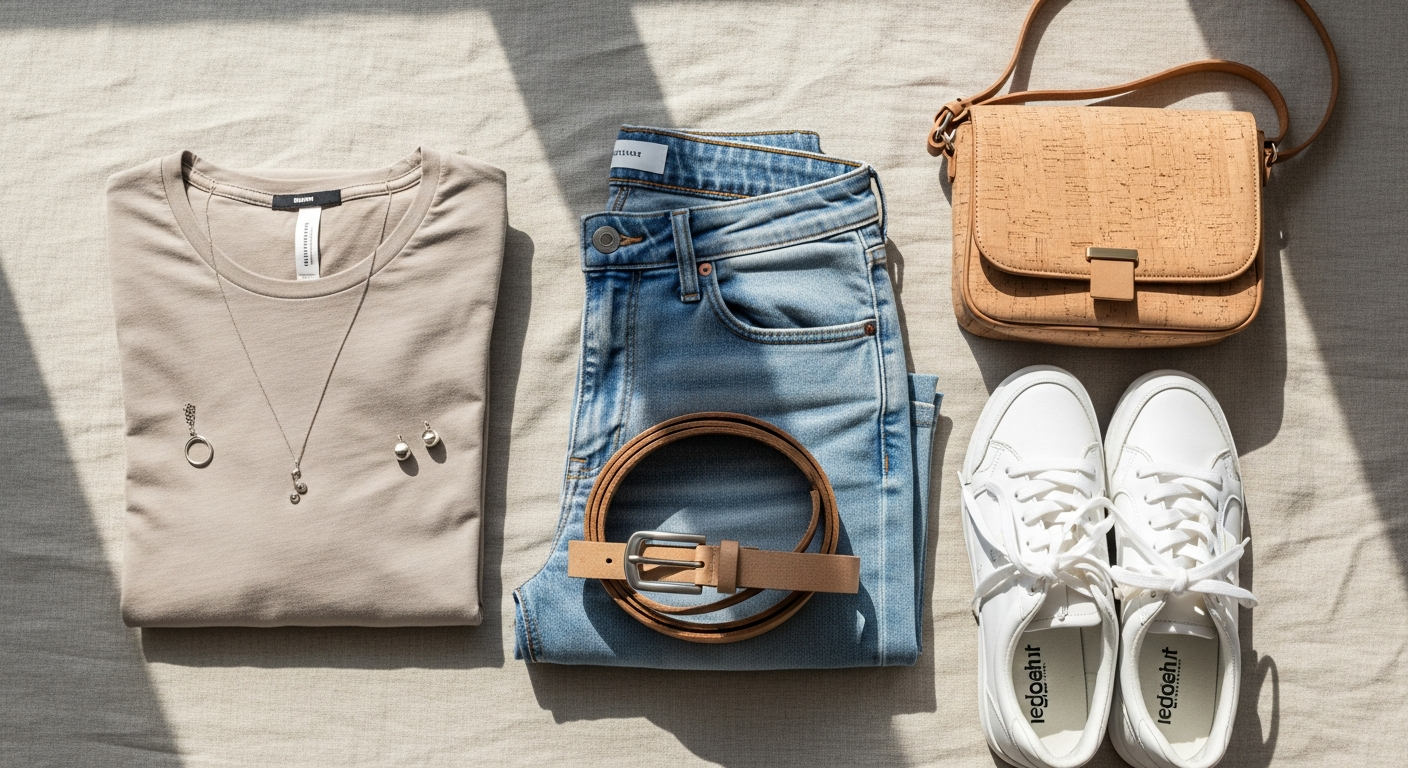
Discover how to build a versatile capsule wardrobe using sustainable vegan fashion essentials. Learn which ethical pieces matter most and find quality items that align with your values.
The average person buys 60% more clothing than they did 15 years ago—yet keeps each piece for half as long. This paradox defines modern fashion: we're consuming more while valuing less. Yet building a wardrobe that actually lasts while supporting ethical practices is genuinely possible, and it starts with understanding what truly matters in sustainable vegan fashion.
Sustainable vegan fashion essentials represent a fundamental shift in how we think about getting dressed. These aren't niche items anymore; they're becoming the foundation of conscious wardrobes across Europe. The movement has matured beyond trend status into genuine necessity as consumers wake up to the human and environmental costs of conventional clothing production.
SLYGAD, as Europe's largest online vegan and fair department store, curates over 18,000 items from 180 ethical brands—all meeting rigorous standards for animal welfare, fair labor, and environmental responsibility. This guide walks you through the essentials that deserve permanent spots in your closet, breaks down the materials that actually make a difference, and shows you how to shop strategically so your investment pays off.
The Core Pieces Every Ethical Wardrobe Needs
The foundation of any lasting wardrobe rests on versatile basics that work across seasons and occasions. Organic cotton t-shirts, underwear, and socks form the bedrock—pieces you wear constantly but rarely think about. These basics perform better than conventional alternatives because they're grown without synthetic pesticides and processed with care for both fabric and wearer.
Plant-based leather footwear replaces the conventional leather category entirely, offering sneakers, boots, and sandals crafted from innovative materials. Unlike traditional leather production, which involves significant water usage and chemical tanning, plant-based alternatives create comparable durability without animal products or environmental devastation.
Versatile outerwear made from recycled or Tencel fabrics bridges seasons while keeping your environmental footprint minimal. A well-chosen jacket or cardigan becomes the piece you reach for constantly—the investment pays dividends through years of wear.
Neutral-toned trousers and jeans in sustainable denim deserve special attention. Quality sustainable denim uses less water in production, avoids harsh chemical treatments, and ages beautifully. These pieces form the backbone of outfit combinations, working across countless styling scenarios.
Layering pieces maximize outfit combinations without requiring a massive closet. A simple long-sleeve shirt, lightweight sweater, or vest multiplies the number of distinct looks you can create from fewer items. This multiplication effect is what makes a strategic wardrobe more valuable than a stuffed one.
Timeless accessories—belts, scarves, and simple jewelry—transcend seasonal trends. These pieces can carry you through years of wardrobe evolution while remaining relevant, making them particularly cost-effective investments in sustainable fashion.
Understanding Plant-Based Materials That Actually Perform
Organic Cotton: The Breathable Foundation
Organic cotton represents the gold standard for natural fibers. Grown without synthetic pesticides, it requires significantly less water than conventional cotton and maintains superior breathability. Certification standards like GOTS (Global Organic Textile Standard) ensure rigorous environmental and labor practices throughout production. These pieces feel softer against skin and actually improve with washing rather than degrading.
Recycled Polyester: Closing the Loop
Recycled polyester transforms plastic waste—often recovered from bottles and textile scraps—into functional fabric. This process reduces textile waste entering landfills while maintaining the performance characteristics that make polyester valuable for athletic or weather-resistant clothing. The energy required for recycling is substantially lower than producing virgin polyester.
Tencel (Lyocell): Sustainability Meets Softness
Tencel production uses a closed-loop process where solvents are recycled rather than released into waterways. The resulting fabric combines the softness of silk with exceptional durability. Because Tencel comes from sustainably managed forests, it offers an environmentally responsible alternative to synthetic fabrics without compromising on comfort or longevity.
Innovative Vegan Leathers: The Game-Changers
Mushroom leather, pineapple fiber, and apple leather represent cutting-edge alternatives that replace conventional leather while introducing genuinely innovative materials. These options perform comparably to traditional leather in terms of durability and aesthetics while eliminating animal agriculture entirely. The technology continues advancing, with new plant-based and lab-created alternatives emerging regularly.
Linen and Hemp Blends: Minimal Impact
Linen and hemp require minimal pesticides, minimal water, and minimal processing compared to other natural fibers. These breathable, durable fabrics age beautifully and perform exceptionally well in warm weather. Blends combining these fibers with organic cotton offer versatility across seasons.
Recycled Nylon and Polyester Blends: Active Wear Excellence
For athletic or active wear, recycled nylon and polyester blends provide the durability and performance these pieces demand. The recycled content reduces environmental impact while maintaining the stretch, moisture-wicking, and strength that makes these materials valuable for movement-intensive clothing.
The Transparency Advantage: Footprint Cards and Ethical Sourcing
Every product on SLYGAD includes a footprint card—a tangible representation of transparency that conventional retailers rarely match. These cards reveal product origin, environmental impact metrics, and the brands behind each piece. This transparency transforms shopping from a guessing game into an informed decision.
Fair labor certifications carry genuine weight when they come from established organizations with rigorous audit processes. These certifications guarantee that workers throughout the supply chain receive fair wages, work reasonable hours, and operate in safe conditions. Unlike vague marketing claims, these certifications represent verifiable standards.
Supply chain transparency serves as the primary differentiator between ethical brands and fast fashion companies. Knowing exactly where your clothes come from—which farms, which factories, which hands touched them—creates accountability. This accountability drives actual change in how companies operate.
SLYGAD pre-vets every brand across multiple criteria: vegan standards (zero animal products), fair labor practices, environmental sustainability, inclusive sizing, and social responsibility. This curation means you're not sifting through thousands of brands to find the ethical ones; the work is already done.
Understanding where your clothes come from transforms the relationship you have with them. A t-shirt becomes more than fabric; it becomes a connection to the people and places that created it. This knowledge deepens appreciation and naturally encourages longer ownership.
Price Strategy: Investing Wisely in Sustainable Fashion
Ethical production costs more than conventional manufacturing because it values people and planet alongside profit. Fair wages, safe working conditions, sustainable materials, and responsible manufacturing processes all require investment. A sustainable t-shirt costs more than a fast fashion alternative because actual value went into creating it.
Cost-per-wear calculations justify the mid-to-high price points of ethical fashion. A €80 t-shirt worn 200 times over five years costs 40 cents per wear. A €10 fast fashion t-shirt worn 20 times over one year costs 50 cents per wear. Quality sustainable pieces outlast cheaper alternatives multiple times over, making the higher upfront investment genuinely economical.
Quality indicators signal pieces worth the investment: reinforced seams, quality hardware, fabric weight and density, and brand reputation all correlate with longevity. Learning to identify these markers helps you spend strategically rather than just spending more.
The SLYGAD marketplace spans different price tiers, allowing you to find value at various budget levels. Some brands offer accessible entry points; others represent premium investments. Starting with mid-range options lets you experience quality without committing maximum funds.
Building a sustainable wardrobe doesn't require financial revolution. Budget-friendly entry points include basic organic cotton essentials, affordable sneakers from emerging ethical brands, and accessories from value-conscious makers. Growing your wardrobe gradually allows you to understand your preferences while distributing costs across time.
Making the Shift: Your Sustainable Style Starting Point
Building a sustainable vegan fashion wardrobe isn't about perfection—it's about intention. Every piece you choose with care becomes an investment in your values, not just your closet. The essentials covered here form the backbone of a wardrobe that works harder, lasts longer, and aligns with who you actually are.
What makes SLYGAD such a game-changer is the elimination of research fatigue. You're not hunting through hundreds of brands wondering if they're truly ethical; the curation is already done. That footprint card on every item is your transparency guarantee.
Start small if you need to—pick one essential and experience the quality difference firsthand. Once you feel how sustainable pieces perform and last, the investment becomes obvious. Your future self will thank you for building a wardrobe that doesn't compromise on style, ethics, or durability.
Start your sustainable vegan fashion journey with SLYGAD's curated collection of ethical essentials.