
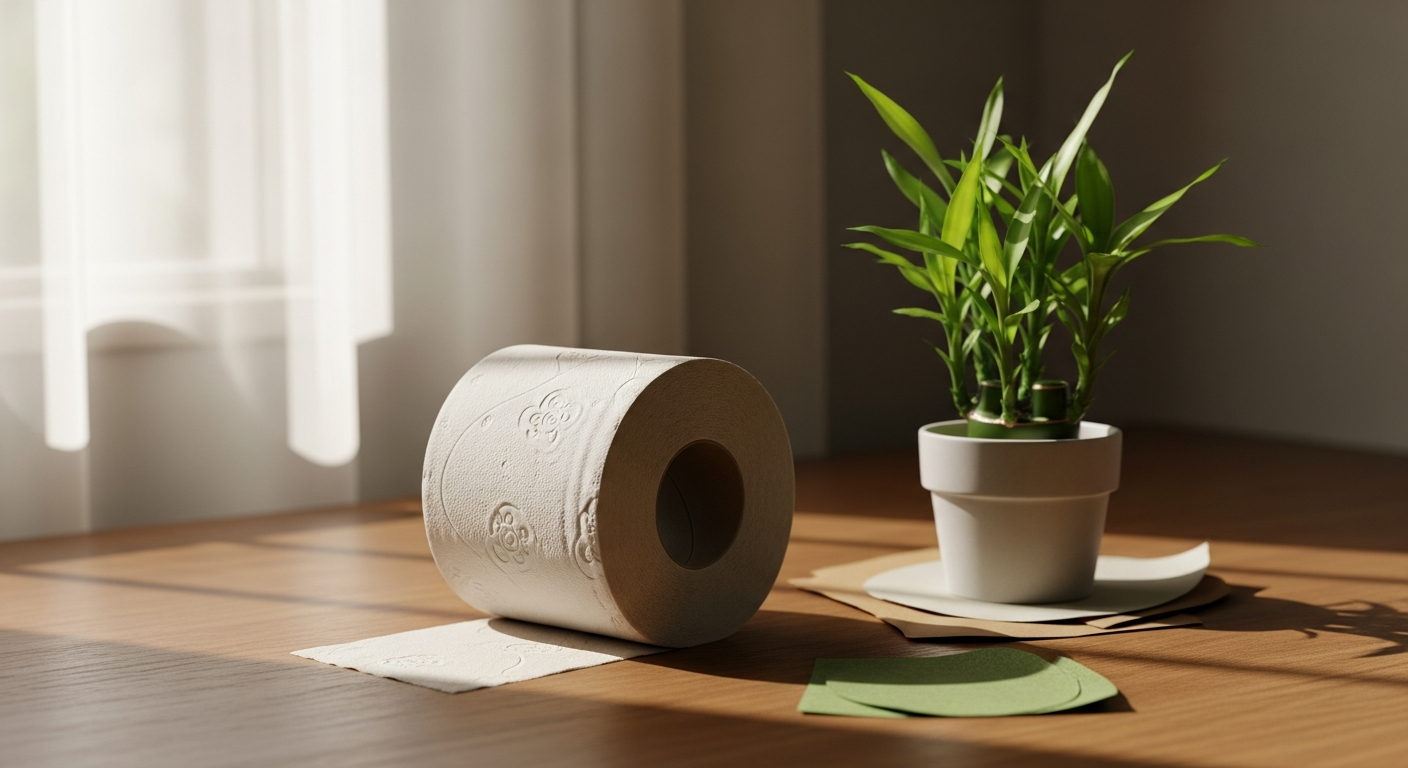
Considering Who Gives A Crap Premium Bamboo Toilet Paper? Discover whether this eco-friendly, 3-ply bamboo toilet paper justifies its cost, plus real-world performance insights for conscious consumers in 2026.
Toilet paper is one of the most used household items. The average person uses over 100 rolls a year, which adds up to significant environmental waste.
Choosing a better alternative can reduce that impact without changing your routine. Explore bamboo-based options and see how a simple switch can support both sustainability and social causes.
What makes bamboo a smarter material
Bamboo grows faster than traditional trees and regenerates without replanting. This makes it one of the most efficient renewable resources available.
- Grows up to 35 times faster than hardwood trees
- Absorbs more carbon dioxide during growth
- Requires fewer resources to maintain
Unlike conventional toilet paper, bamboo-based products avoid deforestation. This helps protect ecosystems and reduces long-term environmental damage.
Performance: softness, strength, and absorbency
Sustainability only matters if the product works well. This is where 3-ply construction plays a key role.
Each layer serves a purpose:
- Outer layer for softness
- Middle layer for strength
- Inner layer for absorbency
The result is a balance between comfort and durability. Many users find it performs on par with premium traditional brands.
Longer rolls also mean fewer replacements. With over 300 sheets per roll, usage becomes more efficient over time.
Packaging that reduces plastic waste
Packaging is often overlooked, but it plays a big role in sustainability.
- Each roll is wrapped in paper instead of plastic
- Fully recyclable or compostable materials
- Better protection against dust and moisture
This approach eliminates the plastic waste that comes with standard bulk toilet paper packaging.
It also adds a visual element. The wrapped rolls can be displayed instead of hidden, making storage part of your bathroom setup.
A purchase that supports global sanitation
One of the most distinctive aspects is the donation model.
- 50% of profits go to sanitation projects
- Funding supports toilet construction and hygiene programs
- Projects focus on underserved communities worldwide
This turns a routine purchase into a contribution to long-term change.
Improved sanitation has been linked to better health, education, and quality of life.
Understanding the real cost
At first glance, the price looks higher than standard toilet paper. A bulk pack can cost more upfront.
However, the cost per sheet tells a different story.
- Longer rolls reduce frequency of replacement
- Cost per sheet can match or beat premium brands
- Subscription options lower the overall price
Over time, the difference becomes less about price and more about value.
Practical factors to consider before switching
There are a few things to think about before committing.
- Bulk packs require storage space
- Delivery timing may vary depending on location
- New materials may require a short adjustment period
For most households, these are manageable trade-offs. Starting with a smaller order can help you decide if it fits your needs.
A simple change with long-term value
Bamboo toilet paper is not just about sustainability. It combines performance, responsible sourcing, and social impact in one product.
It works like a premium option while reducing environmental harm. At the same time, it supports global initiatives that improve sanitation access.
If you want your everyday purchases to reflect your values, this is an easy place to start. Explore your options and see how a small change can create a larger impact over time.